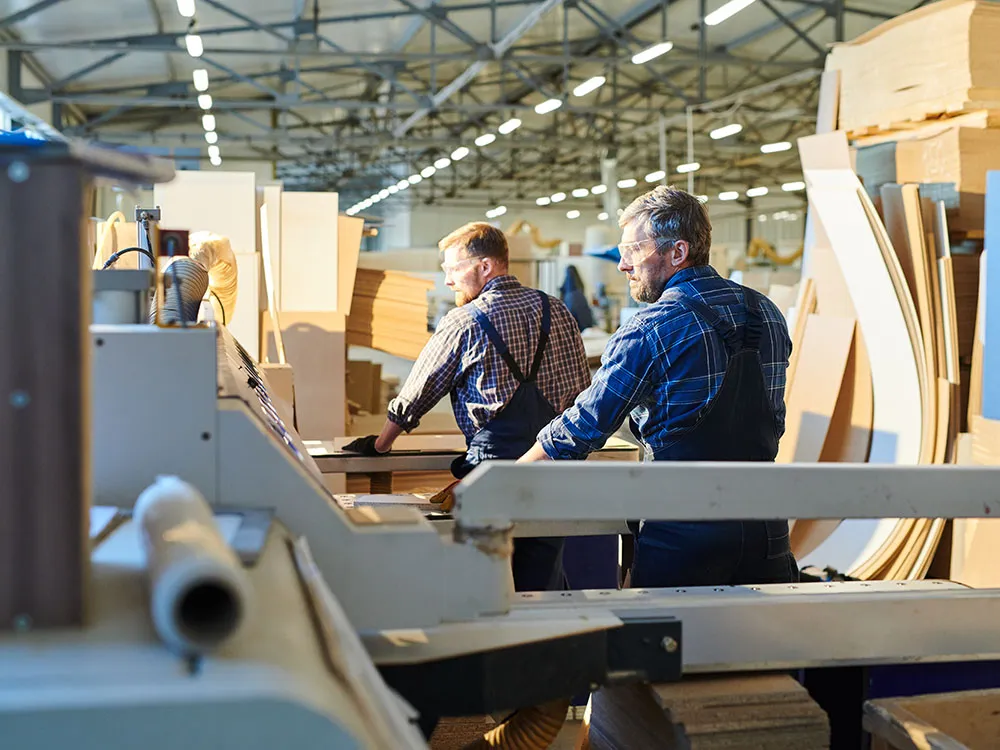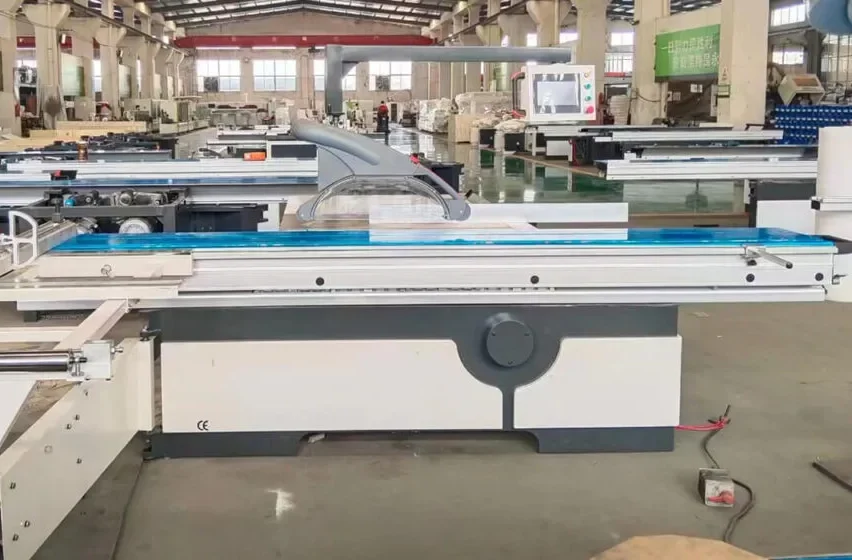


You’ve made the decision to take on the rewarding, if occasionally difficult, task of learning how to use a manual edge banding machine. This has nothing to do with the sleek, automated machines found in large factories. This is about applying edge banding yourself through a methodical, hands-on process where your ability and attention to detail determine the outcome. This guide is intended to walk you through the subtleties of manual edge banding, regardless of whether you’re an experienced woodworker seeking to hone a basic skill or a hobbyist eager to create finishes on your projects that look professional.
Here, we’re not trying to give you a lot of compliments on your decisions. Rather, it’s to provide you with useful information, demystify the procedure, and aid in the development of the muscle memory and comprehension necessary to produce edge-banded panels that are clean, long-lasting, and visually appealing. We’ll go over the necessary preparation, the various edge banding and adhesive options, the actual application, and the critical finishing stages that turn unfinished panels into polished furniture or cabinets.
If you’re interested in learning more about the intricacies of woodworking machinery, you might find the article on “Choosing the Right Edge Banding Material” particularly insightful. This article delves into the various types of edge banding materials available and how they can affect the performance of a Manual Edge Bander. For more information, you can read the article here: Choosing the Right Edge Banding Material.
Know Your Manual Edge Bander. Understanding the machine you’re working with is essential before you even consider touching an edge bander. Despite their conceptual simplicity, manual edge banders require a number of moving parts and adjustment points to function. They are made to cover the exposed edges of wood-based panels such as particleboard, MDF, or plywood with edge banding material.
The machine’s core is usually a glue pot that heats & melts adhesive, which a roller then applies to the panel’s edge or the banding’s back. The central elements. Your adhesive is loaded into the glue pot/reservoir & heated to the ideal working temperature. The glue’s flow and bonding qualities are greatly influenced by temperature. If it is too hot, the banding may be scorched or deteriorate.
Sure, here is the sentence with the clickable link: Check out the manual edge bander View Now.
If it’s too cool, it won’t flow correctly, which will result in poor adhesion. Application Roller: This roller works in tandem with a pressure roller to move the panel through the apparatus & apply the heated glue to the panel edge or banding. For good contact and adhesion, this roller’s pressure and that of the next pressure roller are crucial. Pressure Roller: These rollers firmly press the edge banding against the panel once the glue has been applied. multiple pressure rollers, frequently composed of various materials (e.g. (g).
If you’re looking to enhance your woodworking projects, understanding the features of a Manual Edge Bander can be incredibly beneficial. For a deeper dive into the advantages and applications of edge banding in woodworking, you might find this informative article on edge banding particularly useful. It covers various techniques and tools that can complement the use of a Manual Edge Bander, helping you achieve professional results in your craftsmanship.
| Metric | Value |
|---|---|
| Machine Type | Manual Edge Bander |
| Maximum Edge Thickness | 3 mm |
| Feed Speed | 5 m/min |
| Motor Power | 0.5 kW |
help to guarantee that the entire banding surface makes close contact with the glued edge (hard rubber for initial contact, softer rubber for conforming). The pressure must be high enough to form a solid bond, but not so high that the banding is damaged or all of the adhesive is squeezed out. A hand crank or a more automated system that pulls the panel through the machine at a constant speed could be the feeding mechanism.
The amount of glue used & the amount of time the banding must set have a direct impact on feed speed. Trimming/End Cutting Units: To eliminate extra banding at the start and finish of a panel, many manual machines use simple end-cutting or trimming mechanisms, though some only use separate trimming tools. They are frequently operated by hand. Crucial Modifications for Optimal Performance. The settings on your manual edge bander will need to be carefully adjusted for every task.
Results will be poor if these are ignored. The most important setting is probably the temperature of the glue pot. The type of adhesive being used determines the ideal temperature. Consult the specifications provided by the adhesive manufacturer.
Many machines have electronic thermostats that enable exact control. Before applying any banding, you’ll frequently need to let the machine stabilize & reach temperature. Application Roller Speed & Pressure: Glue spread and bonding are influenced by the speed at which the banding is fed through the machine as well as the pressure that the rollers apply. While consistent, firm pressure from the rollers is necessary for a good bond, a slower feed speed typically permits more glue to be applied and more time for it to become tacky.
Trimming Unit Settings: Make sure the guides are set to the proper height & depth for the banding thickness and that the blades are sharp if your machine has built-in trimming. Trimmers that are not aligned will gouge the panel or leave ragged edges. Choosing the Correct Material: Adhesives and Types of Edge Banding.
Your manual edge banding’s efficacy is directly related to the materials you select. The adhesive is just as crucial as the banding itself, and not all edge banding is made equally. Banding materials for edges. The most popular kind of edge banding is PVC (polyvinyl chloride). It comes in a wide range of colors, wood grains, and textures and is strong & moisture-resistant. The back of PVC banding usually has a coating or primer to encourage adhesion.
Similar to PVC, ABS (Acrylonitrile Butadiene Styrene) is frequently regarded as being more ecologically friendly. It has a lot of characteristics in common with PVC. Wood Veneer: Veneer banding is a great option for a realistic wood appearance.
Because it is composed of thin real wood slices, it must be handled and applied carefully to prevent rips or irregularities. Like solid wood, it can be finished and stained. Melamine: An impregnated paper banding made of melamine resin. Although it’s less expensive than PVC, it’s not as durable. Laser Edging Materials and Hot Air: These are more sophisticated uses. Hot air is used in SCM edgebanders to create an invisible, glue-free joint using AirFusion+ Technology.
The concept of employing co-extruded polymers with a thermal activation layer highlights an advanced application technique used for long-lasting, glue-free joints, even though this particular feature might be incorporated into automated machines. The closest thing to a glue-free method for manual application is to use pre-applied PSA (Pressure Sensitive Adhesive) banding, which sticks with pressure and occasionally a heat boost. Adhesives for Banders by Hand. Choosing the right adhesive is crucial. While new developments are pushing the envelope, traditional hot melt and more recent PUR options serve different purposes for manual machines.
Hot melt adhesives made of ethylene vinyl acetate, or EVA, are the mainstay of most manual edge banders. They form a strong initial bond and melt at comparatively low temperatures. EVA adhesives are reasonably priced and simple to apply.
They may, however, be limited in hot conditions or in situations with a lot of moisture. PUR (Polyurethane Reactive) Adhesives: When it comes to strength, moisture resistance, and heat resistance, PUR adhesives are superior to EVA. They form a very strong and long-lasting bond when they react with airborne moisture. The significance of PUR edge banding for cabinetry is highlighted in MRETTY’s 2026 Guide on PUR Edge Banding, which also highlights optimization methods & applications.
PUR may appear more complicated, but when certain cartridges or formulations made for manual machines are used, the advantages of a nearly undetectable and extremely durable joint become available. Be mindful that once heated, PUR has a shorter pot life, so you must work quickly. Since cured PUR is very difficult to remove, you’ll also need to think about proper cleanup. Hot Air Activated or Laser Edging (as conceptual advancements): Although these technologies aren’t usually used with a manual machine in the conventional sense, knowing how they operate gives us insight into the possibility of glue-free or minimally adhesive jointing.
Co-extruded polymers with an integral adhesive layer that is activated by a laser are used in laser edging. By activating a thermal layer on the banding, hot air techniques like AirFusion+ produce glue-free joints. Iron-on banding with a pre-applied adhesive or PSA options can provide easier, albeit occasionally less reliable, alternatives for do-it-yourself or professional use with manual methods. Getting Your Banding and Panels Ready for Use. For manual edge banding to be successful, careful planning is essential.
Here, taking short cuts will almost always result in frustration and subpar outcomes. Panel edge preparation. Cleanliness is crucial, so make sure your panel’s edge is clear of any impurities, including dust, debris, and oil. For this, compressed air works great. Any residue will hinder the bonding process of the adhesive. sq\.ness and Smoothness: Your panel’s edge must be as smooth as possible and precisely square.
The banding will not sit flush and you will have gaps if the edge is rounded or rough. A straight bit and guide on a jointer or router can produce a neat, square edge. Make sure the plywood plies aren’t lifting or delaminating at the edge. Pre-Sanding (Optional but Recommended for Veneer): If the veneer is thick or has a slightly uneven surface, a light sanding of the panel edge can aid in adhesion for veneer banding.
Edge banding preparation. Cutting to Length: Cut the edge banding material to the necessary length, making sure that each end of the panel has a small overhang to allow for trimming. For clean cuts, use special edge banding shears or a sharp utility knife. Unrolling and Flattening: If your banding comes in a roll, you must unroll it so that it can become more relaxed and flatten. This can be accomplished by either gently warming it (if it’s made of PVC or ABS) or laying it flat under weights to increase its pliability.
Priming (If Required): The back of some banding materials is primed. To guarantee correct adhesion, you may need to prime the back of the banding if yours doesn’t or if you’re using a more specialized material. The banding manufacturer’s instructions should always be followed. The Application Process: Learning How to Use the Machine. This is the point at which you can put your knowledge into practice.
It calls for a methodical approach, strong machine control, & a steady hand. Adhesive loading and heating. Load the Adhesive: Fill the glue pot with your preferred adhesive with care. Make sure you’re using the right kind and amount for your machine. MRETTY’s 2026 Guide on PUR Edge Banding would probably go into detail about particular PUR loading techniques, which frequently involve cartridges.
Heat to Temperature: After turning on the machine, let the glue pot reach its operating temperature. Use the thermostat on the machine to check the temperature. This can take ten to thirty minutes, depending on the adhesive and the machine.
Give it time to settle. Panel feeding and banding. Initial Setup: Position your ready-made panel on the edge bander’s infeed support.
Make sure the banded edge is properly positioned to meet the application roller. Banding is applied. Manual Feed Machines: As the banding is fed from the roll and through the glue pot, you will probably be guiding it by hand. The glue will be applied to the panel’s edge as it moves forward.
You will simultaneously direct the banding material onto the surface that has been glued. Semi-Automated Feed: If your machine has a powered feed, it will pull the panel through if you put it in the feed path. Guiding the banding material onto the glued edge will still be your responsibility. Consistent Pressure: Using the application roller and later pressure rollers, apply constant, steady pressure.
Making sure the banding’s whole surface comes into close contact with the glued panel edge is the aim. The manual machine setup and techniques manuals place a strong emphasis on using rollers to apply constant pressure. Steer clear of jerky motions as they may cause uneven glue spread or misplaced banding. Feed Speed: Regulate how quickly you feed. If you go too quickly, you might not get enough glue or the banding might not stick together correctly.
Applying too much or too slowly could cause the glue to set before the banding is put on. Finding the sweet spot will be aided by experience. Overlap and Trimming: Make sure the banding slightly overlaps the edge as you approach the panel’s end. To cut the banding neatly, turn on the integrated end trimmers on machines at the right moment.
This step will be completed once the panel has gone through the machine entirely if you’re using a different trimming tool. Steps Following Application. First Cooling and Setting: After the edge banding is removed from the machine, let it cool & set for a few minutes. During this crucial initial bonding stage, do not disturb it.
Visual Inspection: Look closely for any misalignments, gaps, or areas of inadequate adhesion in the applied banding. Final Touches: Cleaning, Trimming, & Getting That Smooth Look. It’s not just about the application. The final stages are where applied banding is transformed into a polished, integrated edge.
cutting off extra banding. This phase is essential to getting a tidy, polished appearance. Flush Trimming: The most popular and efficient technique is to use a router fitted with a flush trim bit. While the cutting edges trim the excess banding flush with the panel surface, the bit’s bearing travels along the panel’s edge. Make two passes to get the best results: a rough trim to get rid of most of the excess, then a finer pass for a clean finish.
End Trimming: Carefully trim the banding at the panel’s corners with a sharp utility knife or a specialized end-trimming tool. Aim for a clean, square cut by being deliberate. Corner Rounding: Use a router with a rounding-over bit after the flush trimming is finished if your design requires rounded corners. Make sure the desired radius is set for the bit.
Degooing and cleaning. Eliminate Adhesive Residue: Small amounts of extra adhesive (goo) may remain on the panel’s surface or at its edges after trimming. Use a clean cloth and an appropriate cleaner to gently remove this residue.
Denatured alcohol frequently works well with EVA adhesives. It’s best to clean PUR before it completely cures, and you might need a specialist PUR cleaner. General Cleaning: To get rid of any dust or debris from the sanding & trimming procedure, wipe down the entire panel with a fresh, moist cloth. Making Invisible Joints. An invisible or almost invisible joint is the ultimate goal. This is accomplished by a number of different factors.
Application Precision: The first step is to make sure the banding is precisely aligned during application. Sharp Trimming Tools: A ragged edge left by dull blades will reveal the joint. Thorough Cleaning: The seam will be highlighted by any remaining adhesive residue. Innovations in Adhesives and Technology: Knowing about AirFusion+ Technology and other developments in glue-free or invisible jointing tells us that a smooth transition is ideal, even if you’re using a manual machine.
For manual application, this could entail using banding that closely matches the panel’s color and texture and paying close attention to every little detail. A cleaner, more durable finish can be achieved by using PUR because of its superior bond strength, which can lead to edges that are more resistant to separation. You will acquire the abilities required to become proficient in manual edge banding and create finishes that improve your woodworking projects by carefully following these instructions and practicing regularly. In your hands, your manual edge bander can be an effective tool for producing outcomes of a high caliber. .


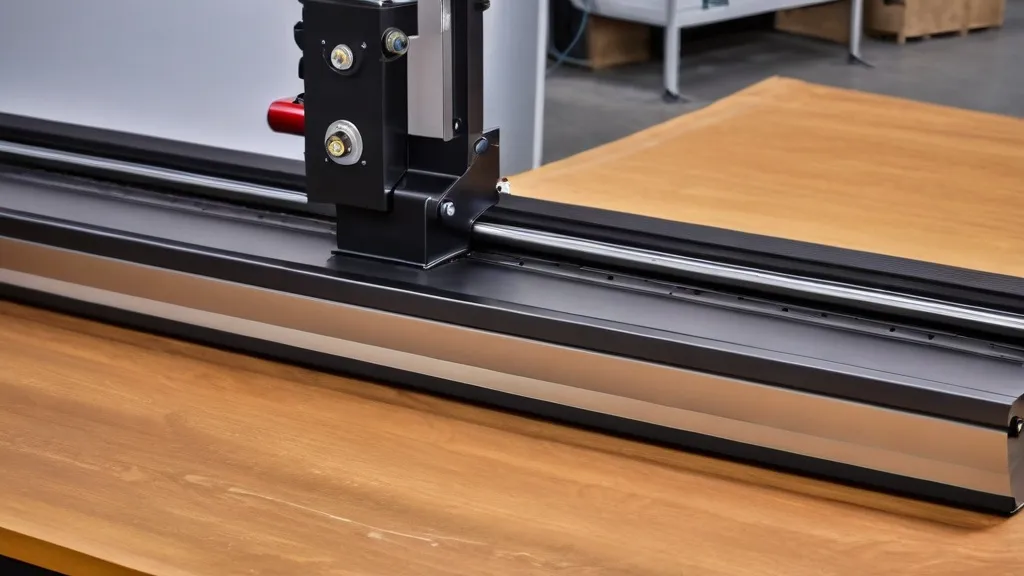
A manual edge bander is a woodworking tool used to apply edge banding to the edges of panels and boards. It is manually operated and is designed for small-scale edge banding projects.
A manual edge bander works by applying heat to the edge banding material, which is then pressed onto the edge of the panel or board. The excess banding material is trimmed off, resulting in a clean and finished edge.
Some advantages of using a manual edge bander include its affordability, portability, and ease of use. It is suitable for small workshops or DIY enthusiasts who have occasional edge banding needs.
A manual edge bander can handle various types of edge banding materials, including PVC, ABS, wood veneer, and melamine. It is important to select the appropriate edge banding material for the specific project and ensure that it is compatible with the manual edge bander.
Common features of a manual edge bander include adjustable temperature settings, edge trimming mechanisms, and feed speed control. Some models may also have additional features such as end trimming and scraping functions.


 English English
 العربية
 Bahasa Indonesia
 ไทย
ไทย Deutsch
 Русский
 Español
 Nederlands
 Italiano
 Tiếng Việt
 Português do Brasil
 Français
 Dansk
Dansk Xhosa
Xhosa 日本語
日本語 香港中文
香港中文