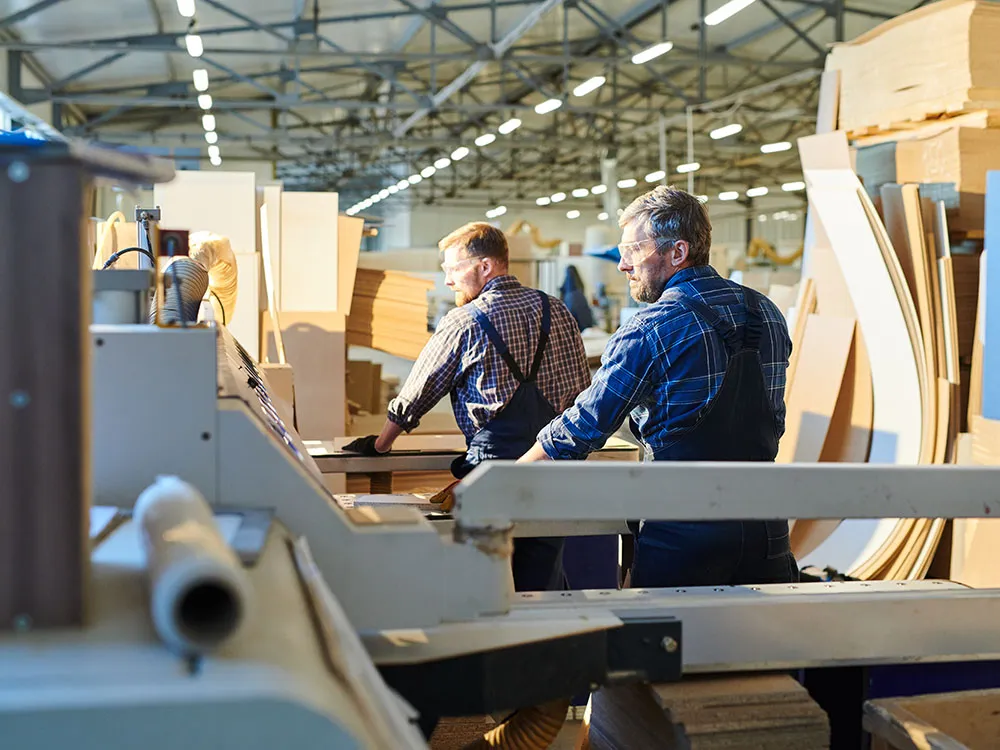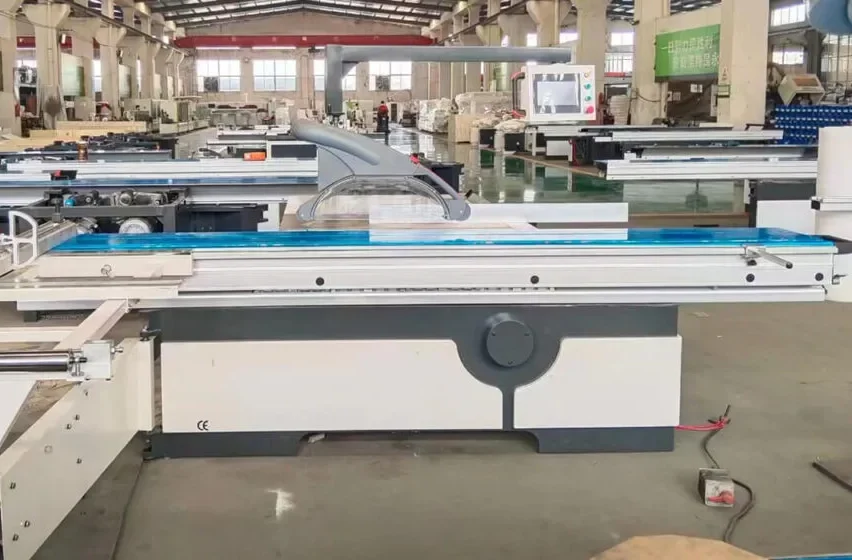

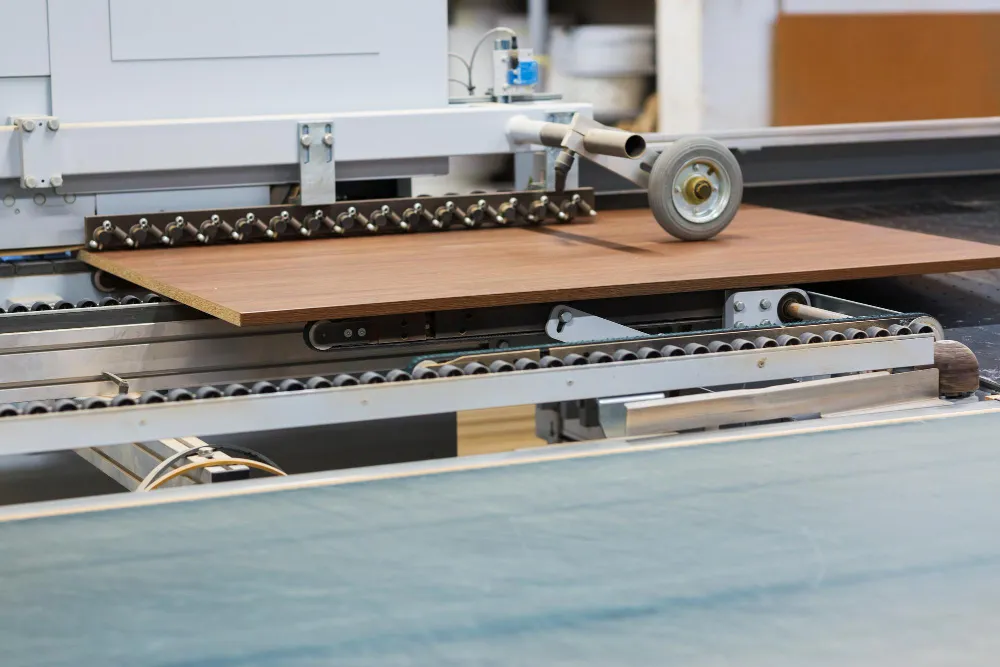
The need for furniture and cabinets that are strong, long-lasting, and aesthetically beautiful has led to substantial improvements in manufacturing techniques. Among these, edge banding is essential to the durability and final look of wood-based panels. Edge banding has historically been a labor-intensive and frequently uneven procedure. But the introduction of automated edge banding machines, which provide unmatched accuracy, efficiency, & consistency, has completely changed this part of woodworking. The many advantages and practical issues of effective edge banding made possible by automated equipment will be discussed in this article.
The transition from manual processes to complex automated systems highlights the industry’s ongoing quest for increased productivity and quality. Appreciating the capabilities of contemporary machinery requires an understanding of this evolution. A historical perspective on manual edge banding. In the past, edge banding required a lot of skilled labor and was a laborious procedure. This required carefully placing the edging material, manually applying adhesive, & then cutting off any excess.
If you’re interested in learning more about the advancements in woodworking technology, you might find the article on the benefits of using an auto edge banding machine particularly insightful. This article explores how these machines enhance efficiency and precision in furniture manufacturing, making them an essential tool for modern carpenters. To read more, visit this link.
The difficulties were many. Application Inconsistency: It was challenging to achieve uniform adhesive spread and consistent pressure, which resulted in inconsistent finish quality and bond strength. Time-consuming: Production schedules were greatly impacted by the manual nature of the work, which made it a slow process, particularly for large orders. Skill Dependency: The operator’s skill & experience directly correlated with the finish’s quality, adding a significant variable to the final product.
Material Waste: The imprecise nature of manual trimming frequently led to increased material waste. A Transitional Stage for Semi-Automatic Solutions. The development of semi-automatic edge banders was a major advancement. These devices usually reduced some of the manual labor by automating the glue application or trimming processes. For feeding panels, modifying settings, & supervising the procedure, they still needed a lot of operator intervention.
Sure, here is the sentence with the clickable link: I am interested in purchasing an auto edge banding machine for my woodworking business.
Although it was an improvement, consistency was still not flawless and throughput remained moderate compared to manual methods. Fully Automated Edge Banding Devices: The Contemporary Approach. The ultimate example of this technological advancement is the fully automated edge banding machines of today. From panel preparation to precise finishing, these machines combine various tasks into a smooth workflow. They are essential in modern woodworking facilities because of their continuous operation, high throughput, and constant quality.
For those interested in enhancing their woodworking processes, exploring the benefits of an auto edge banding machine can be quite enlightening. A related article that delves into the intricacies of this technology is available for further reading. It discusses various features and advantages that can significantly improve efficiency and finish quality in furniture production. You can find the article here: auto edge banding machine benefits. This resource provides valuable insights for both beginners and seasoned professionals in the industry.
| Model | SHEB001-a | Model | SHEB001-b |
| Panel Length | ≥150mm | Edge Banding Material Thickness | 0.4-3mm |
| Panel Width | ≥80mm | Edge Banding Material Width | 12-65mm |
| Working Pressure | 0.6Mpa | Plate Thickness Range | 10-60mm |
| Panel Thickness | 10~60mm | Plate Minimum Width | 45mm |
| Total Power | 13.5kw | Feeding Speed | 15,18,23m/min |
| Edge Thickness | 0.4~3mm | Total Power | 13kw |
| Overall Size | 57000×10000×16000mm | Working Air Pressure | 0.7MPa |
| Feding Speed | 12~16~20m/min | Dust Suction Diameter | Φ100mm×2 |
| Weight | 1800kg | Dimensions | 5800×1000×1600mm |
| Weight | 2000kg |
They can perform a variety of precise operations that improve the finished product, going beyond straightforward application. Investing in an automatic edge banding machine is frequently motivated by the goal of achieving notable improvements in both quality and operation. These devices provide an impressive range of advantages that have a direct effect on a manufacturer’s profitability & product reputation. Improved accuracy and reliability. The ability of automatic edge banders to consistently produce results is one of their biggest advantages.
In order to uphold brand standards and satisfy customer expectations, this consistency is essential. Accurate Glue Application: Automatic systems precisely regulate the temperature & quantity of adhesive, guaranteeing ideal bond strength without excessive squeeze-out or inadequate coverage. Uniform Edge Placement: By carefully guiding the panels through the machine, the edge banding material is applied precisely flush with the panel’s surface. Reproducible Quality: After settings are adjusted for a specific material & panel thickness, the machine can reliably duplicate that quality throughout a full production run, reducing variances that are typical of manual or semi-automated processes. improved efficiency in production. Cycle times are shortened and throughput is increased by automation.
For companies trying to expand operations and fulfill deadlines, this is an essential component. Faster Processing Speeds: Compared to manual methods, automatic machines operate at much faster speeds, enabling the completion of more panels in less time. Decreased Labor Costs: Although there must be an initial investment, there are significant long-term operational savings from a decreased reliance on labor. Instead of carrying out the difficult tasks themselves, operators mainly keep an eye on the machine & load and unload materials.
Continuous Operation: In order to maximize machine utilization & reduce downtime, many automatic machines are built to operate continuously. Outstanding Edge Finish Quality. The edge-banded panels’ visual appeal is crucial. Advanced tooling on automatic machines allows for a perfect finish that is frequently impossible to achieve using other techniques.
Accurate Trimming: By precisely matching the edge banding to the panel, high-speed cutters and trimmers remove recession and overhang. Clean Scraping: To ensure a tactile, clean finish, integrated scraping units smooth the edges and remove any remaining glue. Buffing and Polishing: The product’s overall look & feel are improved by the final buffing and polishing stations’ professional sheen. Corner Rounding: Corner rounding units, which give panel corners a secure and attractive radius, are a common feature of machines.
Material handling versatility. A variety of edge banding materials & panel types can be handled by modern edge banders, giving manufacturers design and production flexibility. Diverse Banding Materials: Automatic machines can effectively apply a variety of edge banding materials, ranging from thin PVC to thick ABS, veneer, and solid wood strips. Different Panel Thicknesses: The machines’ adjustable settings enable them to handle a range of panel thicknesses without sacrificing quality or necessitating significant manual adjustments. Adhesive Options: A variety of adhesive types, such as EVA, PUR, or hot air for laser edging, are supported by many machines, offering flexibility for particular application needs and performance attributes. Optimizing machine performance and troubleshooting requires an understanding of the operational sequence & individual components.
Every station in an automatic edge bander is essential to the overall operation. Prepare and feed the panels. To guarantee correct application, the procedure starts with careful panel handling. Infeed System: Conveyor belts or rollers, which frequently have automatic alignment features to guarantee proper positioning, are used to feed panels into the machine. Pre-Milling Unit: The panel’s edge is precisely milled by a pre-milling unit prior to adhesive application. By fixing any flaws from earlier cutting operations, this guarantees a spotless, straight surface for bonding.
This stage greatly strengthens the bond and enhances the finished product. Applying adhesive and feeding edge materials. This is the central step in the bonding process, requiring accuracy in the delivery of both glue and materials. Glue Unit: A variety of glue units are available, such as hot air/laser systems for reactive edge bands, nozzle applicators for PUR, & roller applicators for EVA adhesives. They apply a controlled, uniform layer to the panel edge after heating the adhesive to the ideal temperature.
Magazine and Feed for Edge Material: A roll or magazine is used to supply the edge banding material. As the panel moves through, an automated cutting machine precisely cuts the material to the proper length. stations for pressure and bonding. Consistent pressure is essential for a strong bond once the adhesive has been applied and the edge material has been aligned.
Pressure Rollers: By applying constant, consistent pressure along the whole length of the edge band, a number of carefully placed pressure rollers guarantee strong adherence to the panel. Bonding Area: Here, the panel and edge band are permanently bonded together by the adhesive curing under pressure. units of completion.
The raw edge banding is changed into a neat, polished edge in the finishing units. End Trimming Unit: Usually using saw blades or pneumatic shearing, this unit cuts the leading and trailing ends of the edge band flush with the panel. Top and Bottom Trimming Unit: To create a clean overhang or flush finish, high-speed rotary cutters carefully remove extra edge banding material from the panel’s top and bottom edges. Scraping Unit: This unit smooths the trimmed edges, removes knife marks, and enhances the edge’s feel by using profile knives or blades to remove any glue squeeze-out.
Corner Rounding Unit: This standalone device automatically rounds the four corners of a banded panel for panels that need rounded corners, improving both appearance and security. Buffing Unit: The revolving buffing wheels polish & clean the edges, eliminating any remaining dust and adding a subtle sheen that enhances the overall appearance. Even though the advantages are obvious, integrating an automatic edge banding machine successfully necessitates meticulous planning and continuous operational best practices. Configuring and choosing a machine. Assessing present and future production requirements is part of selecting the appropriate machine.
Production Volume: While smaller workshops may choose more compact, entry-level automatic models, high-volume operations will need industrial-grade machines with higher speed & durability. Material Types: Take into account the variety of panel types and edge banding materials that the machine must handle. Make sure the machine can handle the necessary types of glue (e.g. “g.”. PUR, hot air, EVA).
Feature Set: Consider pre-milling, multi-radius scraping, corner rounding, and nesting compatibility as examples of optional features. Productivity can be greatly increased by investing in features that meet particular project requirements. Footprint and Power Requirements: Determine whether there is enough floor space and electrical infrastructure to support the machine. Selection and Management of Adhesives. Adhesive selection and management are critical to machine longevity & bond strength. Adhesive Type: Choose the right adhesive (such as PUR, EVA, or hot air for lasers).
depending on the intended water resistance, heat resistance, application, and aesthetic appeal. For example, PUR adhesives are perfect for kitchen or bathroom applications because of their exceptional resistance to heat & water. Temperature Control: To guarantee ideal viscosity & adhesion, precisely regulate the glue pot’s temperature.
Inadequate bonding or adhesive damage may result from incorrect temperatures. Cleaning and Maintenance: To avoid adhesive buildup, which can reduce performance and result in expensive repairs, the glue pot and application rollers must be cleaned on a regular basis. PUR adhesives need special cleaning techniques because they are reactive. upkeep & debugging. In order to maximize uptime and prolong machine life, proactive maintenance is essential.
Regular Cleaning: To prevent buildup and guarantee consistent performance, all units should be cleaned on a regular basis, particularly the glue pot, trimming knives, and scraping blades. Knife Sharpening/Replacement: Scraping blades and dull knives result in lower finish quality and more wear on other parts. Regular replacement, sharpening, or inspection is essential. Lubrication: To reduce wear and friction, lubricate moving parts in accordance with manufacturer recommendations. Preventive Maintenance Schedules: To find & fix possible problems before they result in malfunctions, follow the manufacturer’s recommended preventive maintenance schedule.
Operator Training: By performing basic maintenance, troubleshooting minor issues, and identifying problems early, properly trained operators can minimize the need for specialized technicians. procedures for safety. To protect workers, operating automatic machinery necessitates strict adherence to safety regulations. Guards and Interlocks: Verify that every safety guard is installed and operating properly. When guards are open, machine interlocks should stop it from operating.
Emergency Stop: The location and operation of each emergency stop button must be known to operators. Personal Protective Equipment (PPE): Require the use of the proper PPE, such as safety glasses and hearing protection, when performing maintenance and operations. Lockout/Tagout Procedures: To avoid unintentional startup during maintenance or servicing, implement and enforce strict lockout/tagout procedures. A paradigm shift in woodworking is represented by the incorporation of automatic edge banding machines, which provide a route to improved material versatility, increased production efficiency, and superior product quality. Manufacturers can increase throughput, lower operating costs, and produce consistent, high-quality finishes by automating a labor-intensive process. Careful machine selection, careful adhesive management, & a strong maintenance schedule are essential for successful implementation.
These advanced devices will continue to be at the forefront of accurate and efficient panel processing as the industry develops, providing the flawless edge quality that the market demands. .
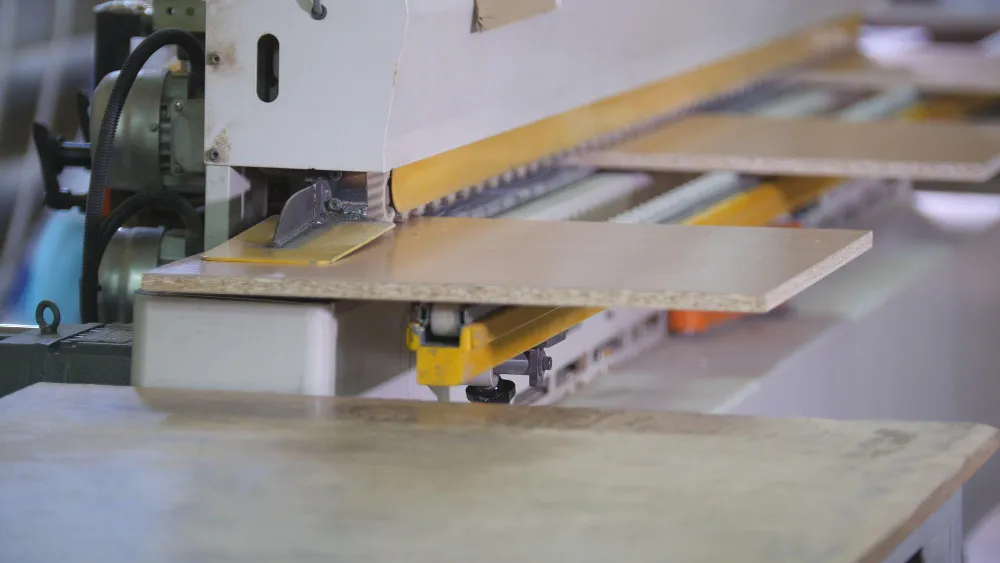
An auto edge banding machine is a piece of equipment used in woodworking to apply a thin strip of material to the exposed edges of a panel, such as plywood or particleboard. This process is known as edge banding and the machine automates the application of the banding material.
An auto edge banding machine works by feeding the panel through the machine, where the banding material is applied to the edges using heat, pressure, and adhesive. The machine trims the excess banding material and can also perform additional finishing processes such as buffing and polishing.
Using an auto edge banding machine can increase efficiency and productivity in woodworking operations by automating the edge banding process. It can also improve the quality and consistency of the finished product, as well as reduce the need for manual labor.
Auto edge banding machines can typically handle a variety of edge banding materials, including PVC, ABS, wood veneer, and melamine. The specific capabilities of the machine will depend on its design and specifications.
When choosing an auto edge banding machine, factors to consider include the size and type of panels to be processed, the desired production capacity, the types of edge banding materials to be used, and any additional features or capabilities required for specific woodworking applications.


 English English
 العربية
 Bahasa Indonesia
 ไทย
ไทย Deutsch
 Русский
 Español
 Nederlands
 Italiano
 Tiếng Việt
 Português do Brasil
 Français
 Dansk
Dansk Xhosa
Xhosa 日本語
日本語 香港中文
香港中文