
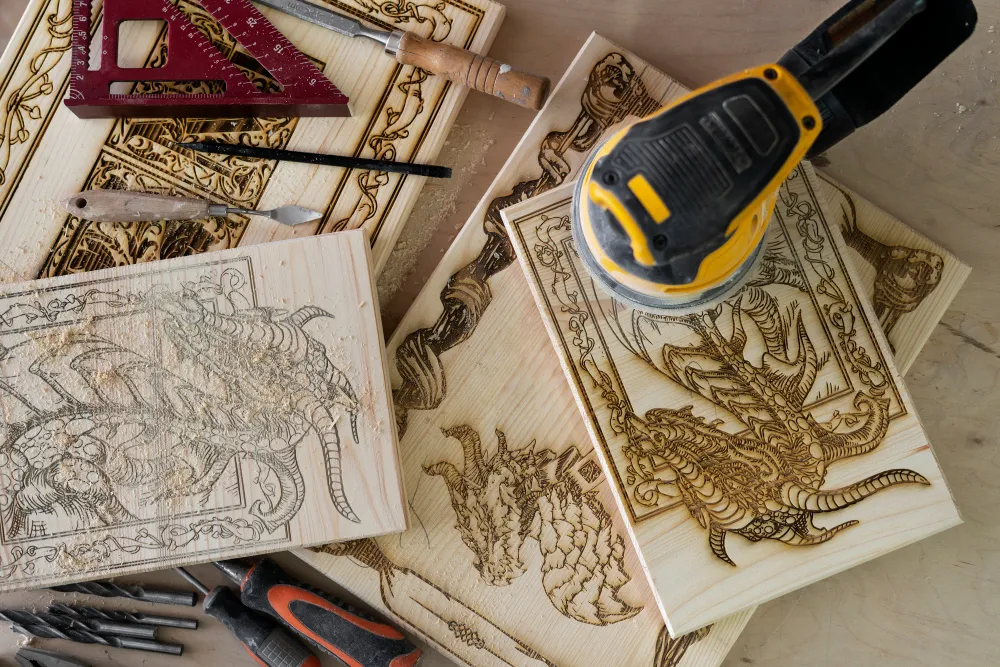
So, you’re curious about CNC wood carving machines, huh? What are they, and why should you care? Simply put, a CNC wood carving machine is a computer-controlled cutting tool that precisely carves intricate designs into wood based on digital instructions. Think of it as a super-talented robot for wood – it can do some seriously amazing things that would be incredibly difficult, if not impossible, to achieve by hand. Whether you’re a seasoned woodworker looking to automate complex tasks, a hobbyist wanting to create detailed projects, or even a small business owner, understanding these machines can unlock a whole new world of possibilities. Let’s dive in and figure out what goes into making these things tick.
At its core, a CNC wood carving machine is a marvel of modern technology that takes digital designs and translates them into physical creations in wood. The “CNC” stands for Computer Numerical Control. This means that instead of a human manually guiding a chisel or router, a computer program dictates the precise movements of the carving tool.
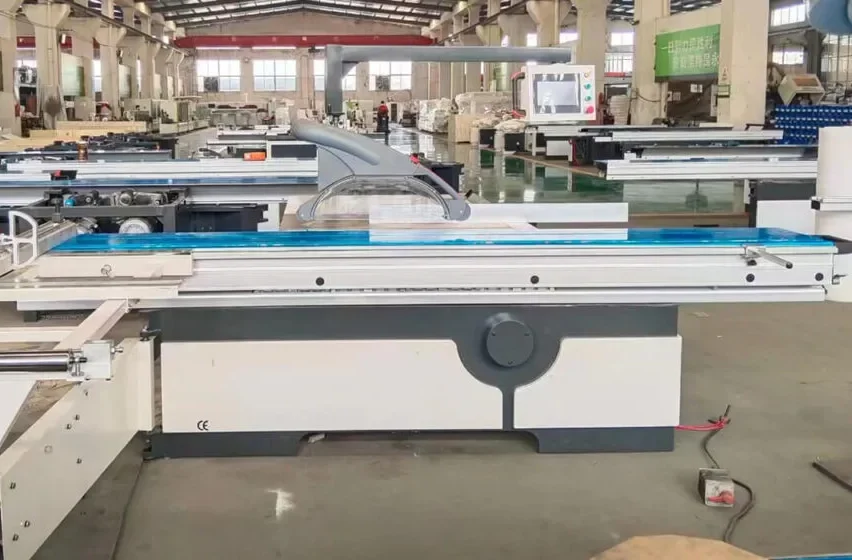
While there are variations, most CNC wood carving machines share a few key components. Understanding these parts will give you a better grasp of how they work.
This is the backbone of the machine. It needs to be rigid and stable to handle the forces of the cutting tool without vibrating. The gantry is the bridge-like structure that supports the cutting head and moves it across the workpiece in the X and Y axes. A well-built frame is crucial for accuracy and the longevity of the machine.
The spindle is the motor that spins the cutting tool (like a router bit or a specialized carving bit). The speed of the spindle is adjustable, allowing for different materials and carving depths. The cutting tool itself is what actually removes the wood. There’s a huge variety of bits available, each designed for specific tasks, from rough shaping to fine detail work.
This is the “brain” of the operation. It’s a combination of hardware and software that interprets your digital design files and sends instructions to the motors that move the spindle and the gantry. This system manages the speed, direction, and depth of the cut.
These are the muscles. Stepper motors or servo motors are typically used to provide precise and repeatable movements. They are controlled by the system and translate the digital commands into physical motion along the X, Y, and Z axes. The Z-axis controls the depth of the cut.
This is how you secure your wood to the machine’s bed. It could be anything from simple clamps to vacuum beds or T-slots designed to hold specialized fixtures. A secure workholding system is paramount to prevent the wood from shifting during the carving process, which would ruin the precision of your work.
If you’re interested in exploring the capabilities and benefits of CNC wood carving machines, you might find this related article on the advantages of using CNC technology in woodworking particularly insightful. It delves into how these machines enhance precision, efficiency, and creativity in wood projects. You can read more about it here: Advantages of CNC Technology in Woodworking.
The magic of CNC carving lies in the process of turning a digital image into a physical object. It’s a multi-step journey that blends design, software, and mechanical action.
It all starts with a design. You won’t be drawing on the wood directly. Instead, you’ll be using Computer-Aided Design (CAD) software. This is where you create or import your 2D or 3D designs. Think of it as digital sculpting. You can create intricate patterns, text, or even complex dimensional models.
There’s a wide range of CAD software available, from free, open-source options to professional, feature-rich packages. For wood carving specifically, you might look at software that excels in 3D sculpting or has robust CAM (Computer-Aided Manufacturing) capabilities. Some popular choices include Fusion 360, SketchUp, VCarve Pro, and Aspire. The choice often depends on the complexity of your designs and your budget.
Once your design is ready, you need to tell the CNC machine how to cut it. This is where Computer-Aided Manufacturing (CAM) software comes in. The CAM software takes your CAD model and generates “toolpaths.” These are the specific routes the cutting tool will take, including the depth, speed, and order of operations.
You’ll define different cutting operations. For example, you might have a “roughing” pass to quickly remove large areas of material, followed by a “finishing” pass to create smooth surfaces and fine details. You’ll also set parameters like the type of cutting tool you’re using (its diameter, flute count, etc.), the feed rate (how fast the tool moves through the wood), and the spindle speed.
The output of the CAM software is typically G-code. This is a standardized programming language that CNC machines understand. It’s essentially a series of commands that tell the machine exactly where to move, how fast, and when to turn the spindle on or off. You’ll load this G-code file into your CNC machine’s controller.
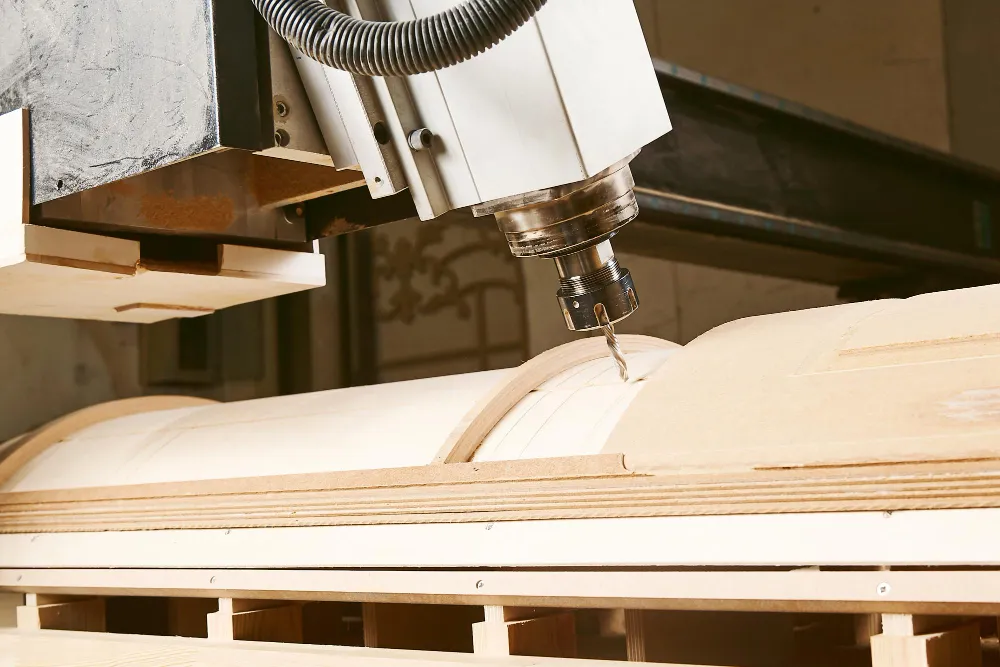
When you start looking into CNC wood carving, you’ll notice a few different types of machines, each with its own strengths and primary applications. The distinction often comes down to the movement of the spindle and the overall structure.
These are the most common type you’ll encounter for general wood carving. A 3-axis machine can move the cutting tool along the X, Y, and Z axes. This means it can carve on the surface of the wood and move up and down.
With a 3-axis machine, you can create most flat or slightly curved carvings, engrave text, cut out shapes, and perform 2.5D operations (where the depth of the cut varies, creating relief). They are versatile for furniture components, signs, decorative panels, and smaller decorative items.
As you move beyond 3-axis, you get into machines with more degrees of freedom. A 4-axis machine adds a rotary axis, typically used to rotate the workpiece. This allows for carving on all sides of a cylindrical object (like legs for furniture or spindles for railings).
Imagine carving a perfectly rounded baluster with intricate details all the way around. That’s where a 4-axis machine shines. It’s a significant step up in complexity and capability, opening doors to more elaborate furniture pieces and decorative elements.
5-axis machines are the most sophisticated. They can move the cutting tool in five different directions, allowing it to reach more complex curves and undercuts. This is often used in high-end furniture manufacturing, intricate artistic sculptures, and industrial applications where complex geometries are required. Owning and operating a 5-axis machine is a significant investment and requires specialized knowledge.
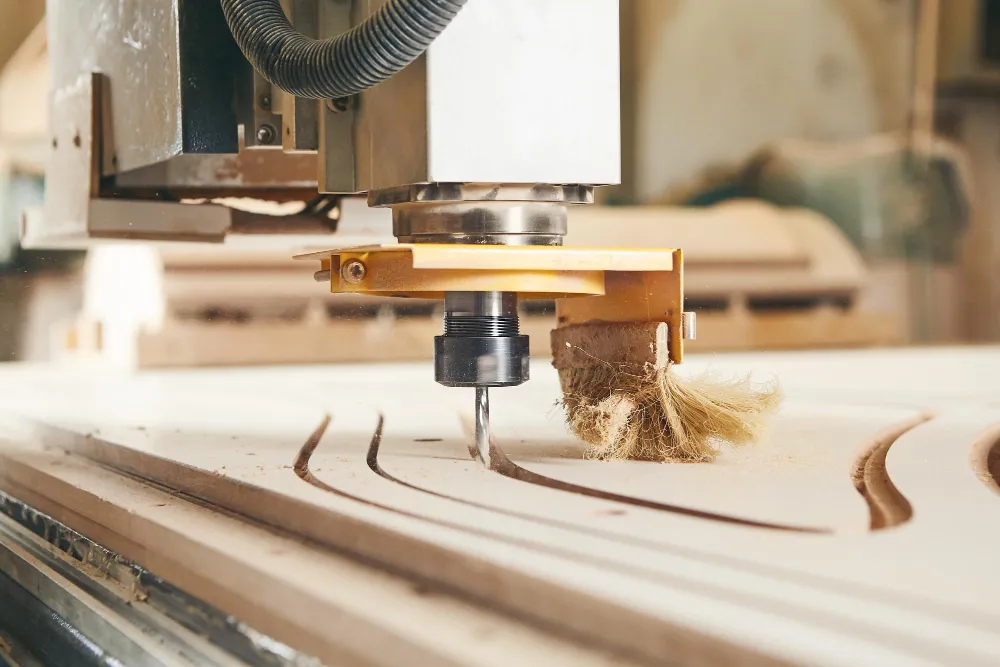
Buying a CNC machine is a bit of an investment, and there are several factors to weigh to ensure you get the right one for your needs. It’s not just about the price tag; it’s about what you want to achieve.
This is the most important starting point. What kind of projects do you envision? Are you carving small decorative items, making furniture components, cutting out signs, or working on larger-scale architectural pieces? The size of your typical workpieces and the complexity of the designs will heavily influence the size and type of machine you need.
CNC machines come in various sizes, from desktop models with a few square inches of cutting area to industrial beasts that can handle full sheets of plywood or large lumber. Consider the largest piece of material you might want to work with. A smaller machine might be fine for hobbyists, but if you plan on making larger furniture, you’ll need a machine with a more substantial bed size.
For detailed work, precision is key. Look for machines that advertise high accuracy and repeatability. This refers to how closely the machine can return to a specific point and how consistently it can reproduce cuts. Features like ball screws or linear guideways often contribute to better accuracy compared to lead screws.
While this guide focuses on wood, some machines can handle other materials. If you think you might want to experiment with plastics or aluminum in the future, check the machine’s specifications and spindle power. Different types of wood also have different carving characteristics. Hardwoods will require more power and stiffer machines than softer woods.
The software that comes with your CNC machine is just as important as the hardware. Is it user-friendly? Does it offer the CAM capabilities you need? Is it compatible with your preferred CAD software? Some manufacturers offer integrated software suites, while others rely on third-party options.
Especially if you’re new to CNC, having good customer support and access to a helpful community can be invaluable. Look for manufacturers that offer training, documentation, and active online forums where you can ask questions and learn from other users.
If you’re interested in exploring the capabilities of a CNC wood carving machine, you might find this insightful article on the benefits of using CNC technology in woodworking particularly helpful. It discusses how these machines enhance precision and efficiency in various projects, making them a valuable tool for both hobbyists and professionals. You can read more about it in this related article.
| Fonctionnalité | Description |
|---|---|
| Type de machine | CNC Wood Carving Machine |
| Working Area | 1200mm x 2400mm |
| Spindle Power | 3kW |
| Control System | NC Studio |
| Tool Changer | Automatic 8 Tools |
Once you’ve got your CNC wood carving machine, keeping it in good working order is essential for consistent results and a long machine life. It’s less about complex technical maintenance and more about a consistent, preventative approach.
Wood dust is the enemy of precision machinery. After every use, or at least at the end of a work session, you need to clean your machine thoroughly.
Dust and debris can accumulate on the linear rails and leadscrews (or ball screws), affecting smooth movement and accuracy. Use a soft brush, vacuum cleaner with a brush attachment, or compressed air to remove this buildup. You might also need to wipe them down with a lint-free cloth.
Ensure the area around the spindle is clean. Dust can sometimes get into the motor housing. Also, if your machine has exposed electronics, keep them free of dust to prevent overheating or short circuits.
Just like any moving parts, the components of your CNC machine need lubrication to operate smoothly and prevent wear.
Refer to your machine’s manual for specific lubrication points. Typically, linear rails, bearings, and leadscrews will require periodic lubrication with the recommended type of grease or oil. Over-lubrication can attract dust, so apply it sparingly.
Vibrations during carving can cause fasteners to loosen over time. Periodically inspect and tighten any accessible bolts and screws. This is especially important for components that affect the rigidity of the machine.
The collet is what holds your cutting bit in the spindle. Ensure it’s clean and free of debris. Inspect your cutting bits regularly for signs of wear or damage. A dull or chipped bit can lead to poor cut quality, strain the spindle, and even break. Replace bits as needed – it’s usually a much cheaper fix than repairing a damaged spindle.
Keep your machine’s control software and firmware up to date. Manufacturers often release updates to improve performance, fix bugs, or add new features. This is usually a straightforward process but can significantly enhance your machine’s operation.
The world of CNC is always evolving. While specific timelines for “2026 updates” in wood carving itself are hard to pin down, the general direction for CNC technology points towards increased intelligence, accessibility, and integration. Think of advancements in related fields influencing wood carving possibilities.
We’re seeing a trend towards machines with more integrated sensors and AI-driven capabilities. This could translate to features like automatic tool calibration, dust detection systems that adjust settings, or even software that can predict and prevent potential machine failures. Increased automation in CAM software, making complex toolpath generation simpler, is also a strong possibility.
As technology becomes more sophisticated, it also often becomes more affordable and user-friendly. We’re likely to see more capable machines enter the hobbyist and small business market, offering professional-level features at more accessible price points. This democratizes advanced woodworking and carving.
The lines between different manufacturing technologies are blurring. We might see more hybrid machines that combine CNC carving with laser cutting or engraving, or even integration with 3D printing for creating complex jigs or molds for carving projects. The idea of a more holistic digital fabrication workflow is gaining traction.
Research into new cutting tool materials and geometries will continue, leading to faster, cleaner, and more efficient carving. We might also see advancements in wood composite materials that are specifically designed for CNC carving, offering unique aesthetic or performance qualities. The materials themselves will play a larger role in what can be achieved.
In conclusion, CNC wood carving machines are incredible tools that blend artistry with engineering. They offer a level of precision and repeatability that’s hard to match by hand, opening up new creative avenues for makers of all skill levels. By understanding the components, the process, and by choosing wisely and maintaining diligently, you can unlock the full potential of these remarkable machines.
A CNC wood carving machine is a computer-controlled device that uses rotating cutting tools to carve and shape wood according to a pre-programmed design. It can create intricate and precise wood carvings with high efficiency.
The CNC wood carving machine operates by following a set of instructions from a computer program. The machine’s cutting tools are controlled by motors that move along multiple axes, allowing for precise and complex movements to carve the wood according to the programmed design.
Using a CNC wood carving machine offers several advantages, including the ability to create intricate and detailed designs, high precision and accuracy, increased production efficiency, and the ability to replicate designs consistently.
A CNC wood carving machine can carve a wide range of wood types, including hardwoods such as oak, maple, and cherry, softwoods like pine and cedar, as well as engineered woods like plywood and MDF (medium-density fiberboard).
CNC wood carving machines are commonly used in woodworking and furniture production, as well as for creating decorative wood carvings, intricate patterns, and custom designs for architectural elements, signage, and artistic pieces.


 English English
 العربية
 Bahasa Indonesia
 ไทย
ไทย Deutsch
 Русский
 Español
 Nederlands
 Italiano
 Tiếng Việt
 Português do Brasil
 Français
 Dansk
Dansk Xhosa
Xhosa 日本語
日本語 香港中文
香港中文