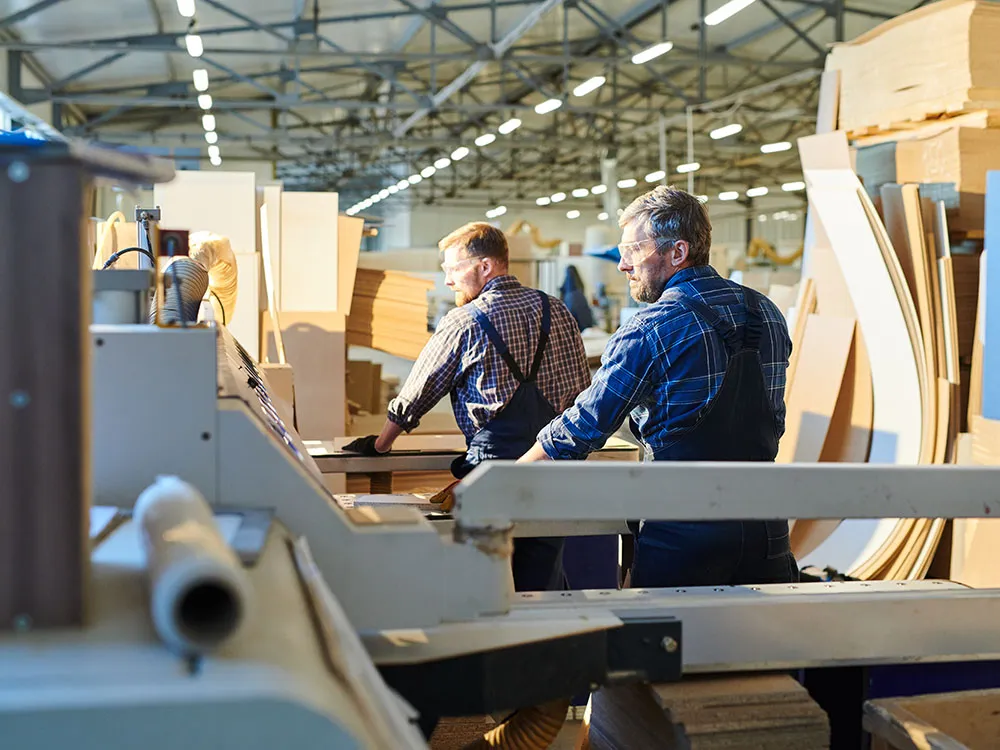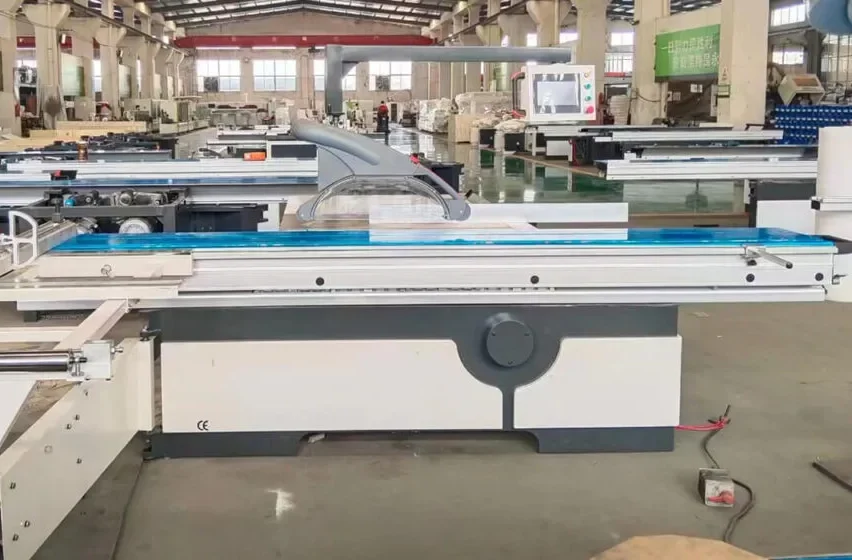

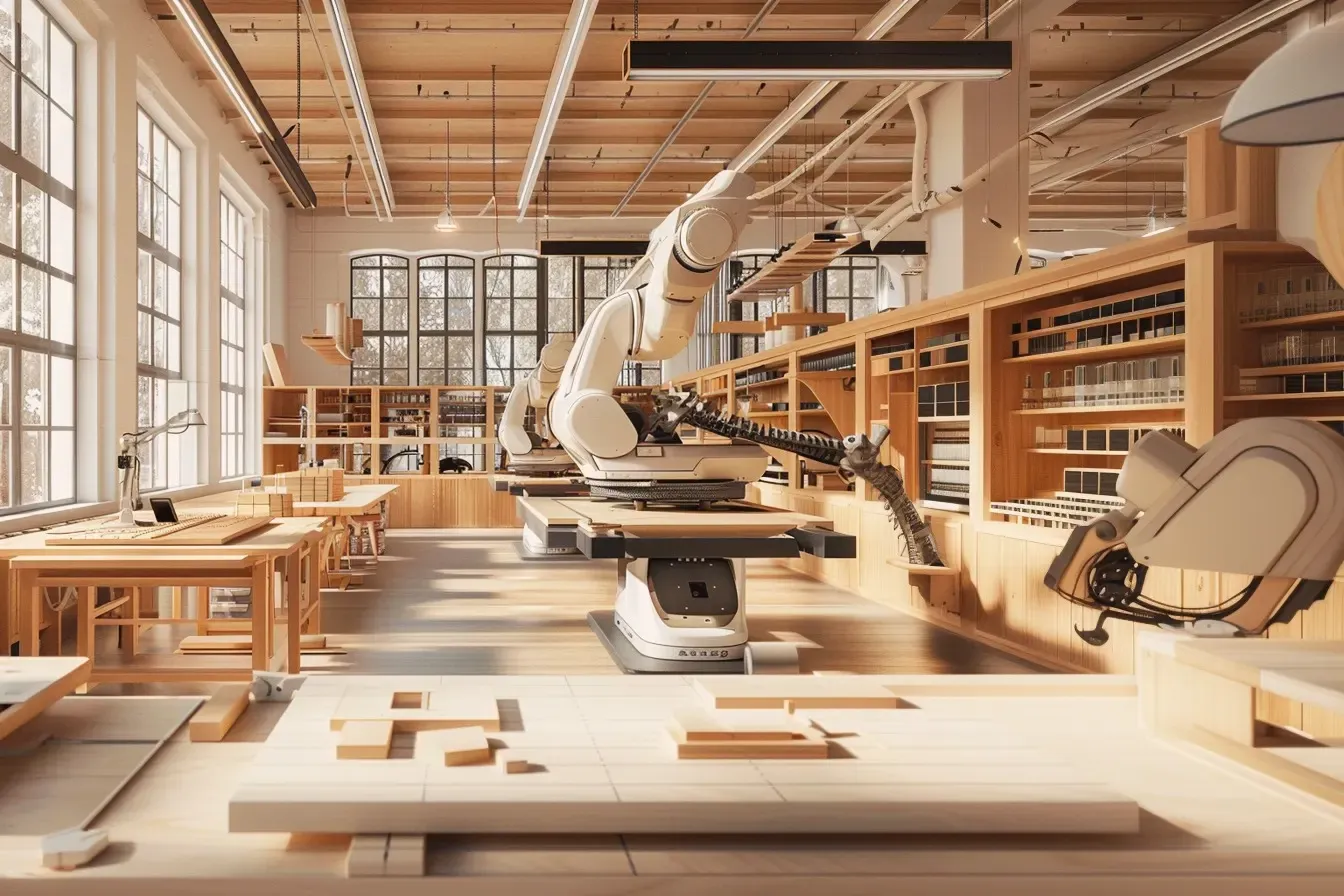
La menuiserie traditionnelle a progressivement adopté la technologie pour améliorer la productivité, la précision et la qualité. La plaqueuse de chants automatique est l'une des inventions qui illustre le mieux cette évolution. Dans le passé, l'application de la bande de chant - une fine bande de matériau utilisée pour sceller les bords exposés du contreplaqué, des panneaux de particules ou du MDF - était une procédure manuelle qui prenait du temps et était souvent irrégulière. Cette procédure nécessitait un découpage minutieux, un alignement exact de la bande de chant et une application manuelle de l'adhésif, autant d'opérations sujettes à l'erreur humaine.
Les premières tentatives d'automatisation de ce processus comprenaient des systèmes de rouleaux rudimentaires et des plaques chauffées pour activer les adhésifs, qui étaient légèrement meilleurs que les techniques entièrement manuelles. Néanmoins, ces systèmes n'étaient pas assez sophistiqués pour produire de manière fiable la finition supérieure exigée par la décoration d'intérieur et la fabrication de meubles contemporains. Un progrès important a été la création de plaqueuses de chants semi-automatiques, qui incorporaient des contrôles de température et des mécanismes d'alimentation plus précis. Cependant, ces machines nécessitaient toujours l'aide d'un opérateur pour le nettoyage, le chargement et le rognage. En combinant un certain nombre de processus complexes en un flux de travail fluide et automatisé, le passage à des plaqueuses de chants entièrement automatisées a marqué un tournant dans l'histoire des opérations de travail du bois.
Pour ceux qui s'intéressent aux progrès de la technologie du travail du bois, un article connexe sur les avantages de l'utilisation d'une plaqueuse de chants automatique peut fournir des informations précieuses. Cette machine améliore non seulement l'efficacité du processus de placage de chants, mais garantit également une finition professionnelle sur différents matériaux. Pour en savoir plus sur ses caractéristiques et ses avantages, vous pouvez lire l'article. ici.
Ce changement a permis d'améliorer l'esthétique et l'intégrité structurelle des produits finis, tout en augmentant la vitesse de production. Aperçu historique du placage de chant manuel. Le développement des produits en bois d'ingénierie est lié aux débuts du placage de chant. Le besoin de dissimuler les chants bruts et poreux est apparu lorsque les panneaux de particules et les panneaux MDF sont devenus plus populaires en raison de leur prix abordable et de leur stabilité. Au début, les artisans utilisaient de fines bandes de placage de bois qui étaient soigneusement collées et serrées en position. Bien que cette méthode fonctionne bien pour la production à petite échelle, elle demande beaucoup de travail et produit souvent des finitions irrégulières ou des lignes de colle visibles.
Innovations en matière de semi-automatisation. Un lien entre le travail manuel et l'automatisation complète a été rendu possible par le développement de machines semi-automatiques. Ces appareils sont généralement équipés d'un pot de colle chauffé pour appliquer l'adhésif et de rouleaux motorisés pour alimenter le matériau de banderolage. La pièce est guidée manuellement par les opérateurs et, bien que la machine effectue le collage initial, les opérations ultérieures d'ébarbage et de finition sont souvent effectuées à la main, ce qui nécessite des étapes supplémentaires et augmente le risque d'erreurs.
Bien sûr, voici la phrase avec le lien cliquable : Je souhaite en savoir plus sur le plaqueuse de chants automatique pour mon entreprise de menuiserie.
Le début de l'automatisation. La combinaison des commandes électroniques et pneumatiques, qui a abouti à la création de plaqueuses de chants entièrement automatisées, a marqué le début de la véritable révolution. Le pré-fraisage, l'encollage, l'ébarbage, l'affleurage, l'arrondissement des angles, le grattage et le polissage ont tous été intégrés dans un processus unique et continu par ces machines.
Les plaqueuses de chants automatiques sont devenues essentielles dans le travail du bois moderne, rationalisant le processus de finition des chants sur les panneaux avec précision et efficacité. Pour ceux qui souhaitent mieux comprendre cette technologie, un article connexe sur les avantages des solutions automatisées pour le travail du bois peut fournir des informations précieuses. Vous pouvez approfondir ce sujet dans l'article disponible ici, qui explique comment ces machines améliorent la productivité et la qualité dans la fabrication de meubles.
| Fonctionnalité | Spécifications |
|---|---|
| Type de machine | Plaqueuse de chants automatique |
| Épaisseur du placage de chant | 0,4 - 3 mm |
| Vitesse d'alimentation | 12 - 20 m/min |
| Épaisseur du panneau | 10 - 60 mm |
| Système de collage | Pré-fraisage, collage, ébarbage, ébarbage fin, grattage, polissage |
Cette avancée technologique a permis d'augmenter la production, de réduire considérablement les coûts de main-d'œuvre et d'obtenir une meilleure finition, établissant ainsi une nouvelle référence en matière d'excellence du travail du bois. Machine sophistiquée, la plaqueuse de chants automatique moderne est une symphonie de systèmes mécaniques et électroniques coordonnés. Chaque élément est essentiel à l'application exacte et à l'achèvement du placage de chants. Pour apprécier pleinement l'efficacité et les capacités globales de la machine, il est essentiel de comprendre ces fonctions individuelles. Une pièce est soigneusement guidée dans la machine au niveau du guide d'entrée pour commencer son voyage à travers une plaqueuse de chants automatique.
Le bord est alors prêt pour la meilleure adhésion lorsqu'il entre dans l'unité de pré-fraisage. Ensuite, une couche uniforme d'adhésif thermofusible est appliquée à l'aide du pot de colle et de l'applicateur. Après avoir été alimenté par une bobine, le matériau de banderolage est coupé à la longueur voulue et solidement pressé sur le bord de la pièce. Le chant banderolé est progressivement affiné par les stations suivantes : coupe en bout, coupe à ras, arrondi des coins, raclage et polissage, qui garantissent une finition lisse et durable. Ces unités sont interconnectées et contrôlées par des systèmes PLC (Programmable Logic Controller) avancés, qui permettent des réglages précis et des performances fiables pour une grande variété de matériaux et d'applications.
Système d'alimentation et idées fondamentales. Le positionnement initial de la pièce a un impact significatif sur la précision du produit final. Le système d'alimentation est constitué d'une bande transporteuse robuste et de barrières latérales mobiles, qui garantissent que le panneau se déplace en ligne droite.
Afin d'éviter toute déviation pendant le processus de banderolage, des rouleaux de pression - souvent caoutchoutés - maintiennent fermement la pièce contre le convoyeur et le guide. La préparation de la toile est assurée par l'unité de pré-fraisage. L'unité de pré-fraisage nettoie le bord du panneau de tout défaut ou irrégularité avant d'appliquer l'adhésif. En général, cette machine utilise deux fraises opposées qui tournent rapidement pour produire une surface parfaitement lisse et propre. Cette étape importante permet d'éviter les marches ou les écarts disgracieux entre le panneau et la bande de chant et d'améliorer l'adhérence de la colle.
Système d'applicateur et pot de colle. Le pot de colle et l'applicateur sont essentiels au processus de banderolage. On utilise généralement des colles thermofusibles qui sont fondues dans un pot muni d'un thermostat. Le bord pré-fraisé de la pièce est ensuite directement recouvert d'une fine couche uniforme de colle à l'aide d'un rouleau ou d'une buse calibrés avec précision.
Afin de réduire la maintenance et les temps d'arrêt, les systèmes modernes intègrent souvent des fonctions de nettoyage automatique et de changement rapide de couleur de la colle. Rouleaux pour l'alimentation et la pression des bandes de chant. Généralement fabriqué en PVC, en ABS ou en placage de bois, le matériau de la bande de chant est alimenté par de grands rouleaux. La bande de chant est coupée avec précision à la longueur nécessaire à l'aide d'un couteau à guillotine.
La bande est ensuite fermement collée au bord de la pièce par une série de rouleaux de pression, qui sont souvent inclinés et articulés. Pour obtenir la meilleure adhérence et éviter les poches d'air, la pression doit être appliquée. Le processus d'affinage comprend des stations d'ébarbage et de finition. Une série de stations de travail polissent le bord après le collage initial. Coupe d'extrémité : À l'aide de deux couteaux, éliminez soigneusement toute bande excédentaire des extrémités avant et arrière de la pièce.
Garniture affleurante : Pour obtenir une finition affleurante, les unités d'habillage supérieur et inférieur éliminent tout matériau de bande supplémentaire qui dépasse de la surface des panneaux. Pour les différentes épaisseurs de bandes, ces unités disposent souvent d'un réglage fin. Arrondi d'angle : Ce composant, souvent optionnel mais très demandé dans la fabrication contemporaine, arrondit les angles des chants pour améliorer la durabilité et l'apparence. Unité de raclage : Un profil.
En particulier avec les bandes de PVC plus épaisses, le racleur élimine les restes de colle et produit une finition plus lisse. Unité de lustrage : Le lustre général du chant plaqué est amélioré et les marques laissées par les opérations précédentes sont éliminées par les roues en tissu rotatives qui assurent le polissage final. L'incorporation de plaqueuses de chants automatiques dans les opérations de travail du bois a apporté de nombreux avantages, ce qui a considérablement modifié les processus de production et les normes de qualité. Ces avantages ne se limitent pas à la vitesse ; ils incluent la précision, la fiabilité et une diminution notable des déchets. Parmi ces avantages, la précision inégalée des systèmes automatisés est le plus important.
Les plaqueuses de chants automatiques assurent des coupes, une application de colle et des finitions homogènes, contrairement aux méthodes manuelles, qui sont sujettes à des variations dans les compétences humaines et à la fatigue. Cette régularité se traduit par des produits de meilleure qualité et des taux de rejet plus faibles. En outre, la vitesse à laquelle ces appareils fonctionnent augmente considérablement le débit de production, ce qui permet aux fabricants d'accroître leurs opérations et de respecter des délais stricts. Comme moins de travailleurs sont nécessaires pour superviser le processus de banderolage, la capacité de traiter les panneaux rapidement et avec précision réduit les coûts de main-d'œuvre.
L'optimisation de l'utilisation des matériaux grâce à une coupe précise et à une production réduite de déchets permet également de réaliser des économies. En fin de compte, les plaqueuses de chants automatiques sont essentielles dans les environnements de fabrication modernes car elles permettent aux entreprises de menuiserie d'atteindre un plus grand degré de professionnalisme et d'efficacité. Précision et fiabilité accrues. La capacité de la machine à produire des résultats fiables sur de longues périodes est l'un de ses principaux avantages. En veillant à ce que chaque coupe, chaque coupe et chaque application de colle soient effectuées avec une précision microscopique, les systèmes de commande numérique par ordinateur (CNC) éliminent les variations liées aux processus manuels.
La satisfaction du client et la réputation de la marque dépendent de cette précision. Par rapport aux méthodes manuelles ou semi-automatiques, les plaqueuses de chants automatiques traitent les pièces à des vitesses nettement plus élevées. Le débit est maximisé et les goulots d'étranglement sont minimisés par le flux continu des panneaux de la machine, chaque station exécutant sa fonction automatiquement.
Pour les fabricants de gros volumes qui veulent respecter des délais de production stricts, cette efficacité est cruciale. réduire les dépenses de main-d'œuvre et le gaspillage de matériaux. Les entreprises peuvent réduire le nombre total d'employés nécessaires à cette opération particulière ou réaffecter leur main-d'œuvre à d'autres domaines cruciaux en automatisant les tâches fastidieuses du placage de chants.
En outre, le contrôle précis de l'application de la colle et du découpage réduit le gaspillage de matériau, ce qui, à terme, se traduit par des économies significatives. Excellente durabilité et qualité de finition. Le pré-fraisage, le grattage et le polissage ne sont que quelques-uns des postes de finition qui contribuent à créer une finition à la fois plus durable et plus attrayante sur le plan visuel. Le meuble ou l'armoire durera plus longtemps grâce au lien solide formé par les rouleaux de pression et l'application minutieuse de colle, qui maintient la bande de chant fermement en place et l'empêche de se décoller ou de s'écailler au fil du temps.
Bien que les plaqueuses de chants automatiques présentent de nombreux avantages, leur utilisation réussie nécessite une planification minutieuse et la prise en compte d'un certain nombre de facteurs. Pour s'assurer que la machine choisie complète parfaitement leurs objectifs stratégiques, les entreprises qui envisagent cet investissement doivent évaluer leurs besoins spécifiques, leurs capacités opérationnelles et leurs objectifs à long terme. La gamme de matériaux à traiter et le type de volume de production sont des facteurs importants.
Différentes machines sont optimisées pour des spécifications de matériaux et des débits différents. Compte tenu de la taille de ces machines, l'espace disponible dans l'atelier constitue une autre limite pratique. L'investissement initial et la complexité opérationnelle dépendent du niveau d'automatisation souhaité, qui va de l'entrée de gamme à un niveau très sophistiqué. Les performances durables dépendent également de la disponibilité d'une assistance technique et d'une maintenance continue. Enfin, une planification minutieuse est nécessaire pour optimiser l'impact de la plaqueuse de chants et éviter les perturbations lors de son intégration dans les flux de production actuels, tels que la manutention et l'ordonnancement.
Volume de production et compatibilité des matériaux. Le volume de production prévu doit guider le choix de la plaqueuse de chants. Les grandes installations ont besoin de machines robustes et rapides qui peuvent fonctionner en continu, tandis que les petits ateliers dont la production est moindre peuvent trouver une machine plus simple et plus compacte. Les types de matériaux qui doivent être plaqués (par exemple (g). PVC, ABS, placage de bois et bandes de bois massif) et leurs épaisseurs détermineront également les qualités et capacités particulières requises.
L'espace nécessaire et l'agencement de l'atelier. Les plaqueuses de chants automatiques peuvent prendre beaucoup de place. Afin de garantir un espace suffisant pour la machine elle-même, ainsi que pour les systèmes de manutention, d'alimentation et de sortie, les entreprises doivent évaluer l'espace disponible dans l'atelier. Seul un aménagement efficace de l'atelier permet d'optimiser le flux de travail et l'accès de l'opérateur.
le degré d'alignement du budget et d'automatisation. Les plaqueuses de chants peuvent être des machines entièrement commandées par CNC et dotées de fonctions sophistiquées telles que des changeurs d'outils automatiques et la lecture de codes-barres, ou des modèles semi-automatiques qui nécessitent davantage d'intervention de la part de l'opérateur. Le degré d'automatisation envisagé doit être évalué en fonction des fonds disponibles et des besoins opérationnels particuliers. Pour une production de faible volume, l'investissement dans une automatisation excessive peut ne pas être rentable. Assistance technique, entretien et service.
Pour garantir des performances et une longévité optimales, les plaqueuses de chants automatiques doivent faire l'objet d'un entretien régulier, comme toute machine complexe. Les entreprises doivent tenir compte de la réputation du fabricant en matière de service à la clientèle, de la disponibilité des pièces détachées et des compétences des techniciens de maintenance locaux. Des plans de maintenance préventive et une assistance technique facilement accessible peuvent réduire les temps d'arrêt et augmenter la production. intégration dans les flux de travail actuels. La plaqueuse de chants automatique doit s'intégrer avec succès aux procédures actuelles de travail du bois pour fonctionner sans heurts. Il faut donc tenir compte de la façon dont la machine s'intègre dans la chaîne de production globale, de la manière dont les matériaux seront introduits et retirés, et de la possibilité ou non de communiquer avec le logiciel de gestion de la production ou d'autres équipements à commande numérique.
Une intégration efficace permet d'assurer un flux de production régulier et d'éviter les goulets d'étranglement. Le placage de chants automatique n'est pas du tout stagnant ; l'innovation continue permet d'améliorer la technologie, l'expérience de l'utilisateur et la durabilité environnementale. Les développements futurs devraient encore améliorer les capacités et l'accessibilité de ces machines, assurant leur place en tant qu'outils essentiels dans le travail du bois contemporain. L'intégration croissante de l'apprentissage automatique (ML) et de l'intelligence artificielle (IA) pour la maintenance prédictive et l'optimisation des paramètres de production est une tendance importante. Avec l'aide de ces technologies, les machines seront en mesure de prédire les problèmes éventuels, de suggérer des changements pour augmenter la productivité, et même d'apprendre à partir des données opérationnelles pour améliorer les procédures de leur propre chef.
Les fabricants étudieront des technologies d'adhésifs plus respectueuses de l'environnement, des pièces à haut rendement énergétique et des moyens de réduire les déchets de matériaux, car l'accent est mis de plus en plus sur le développement durable. En outre, une plus grande variété d'ateliers, y compris les petites entreprises, seront en mesure d'utiliser la technologie avancée de placage de chants grâce aux progrès de l'automatisation qui se traduiront probablement par des machines encore plus compactes et adaptables. On s'attend également à ce que l'accent soit davantage mis sur la convivialité, ce qui facilitera le fonctionnement et le dépannage pour les techniciens grâce à des interfaces intuitives et des capacités de diagnostic à distance. Intégration de l'apprentissage automatique et de l'intelligence artificielle. L'IA et les algorithmes de ML peuvent être utilisés dans les futures plaqueuses de chants pour suivre les performances, prévoir les besoins de maintenance et ajuster automatiquement les réglages en fonction des différents matériaux et des conditions environnementales.
Cela pourrait réduire le besoin d'intervention humaine, donner lieu à des machines qui s'autocorrigent et produire en permanence les meilleurs résultats. Amélioration de la communication et principes de l'industrie 4.0. Les bandes de rive deviendront encore plus interconnectées avec la mise en œuvre des principes de l'industrie 4.0.
L'échange de données en temps réel avec d'autres équipements, les logiciels de planification de la production et les plates-formes basées sur le cloud permettront une surveillance complète, des diagnostics à distance et une gestion intégrée de l'usine, ce qui donnera naissance à des ateliers véritablement intelligents. Adhésifs respectueux de l'environnement et procédures durables. La durabilité devient de plus en plus importante pour le secteur du travail du bois. La création d'adhésifs plus écologiques, tels que les colles PUR (polyuréthane réactif) avec des émissions réduites de composés organiques volatils (COV), et la conception de machines plus efficaces sur le plan énergétique, qui consomment moins d'énergie, figureront probablement parmi les innovations à venir. Solutions personnalisables et modularité.
Les solutions modulaires de placage de chants seront de plus en plus privilégiées à mesure que les besoins en matière de travail du bois deviendront plus variés. Les entreprises bénéficient ainsi d'une plus grande flexibilité et d'une plus grande évolutivité pour répondre à l'évolution des demandes de production en leur permettant de configurer des machines avec des unités et des caractéristiques particulières adaptées à leurs besoins exacts. Maintenance prédictive et capteurs avancés. Grâce à l'intégration de capteurs plus perfectionnés, les plaqueuses de chants seront en mesure de surveiller les composants vitaux en temps réel et de fournir des alertes précoces en cas de problèmes éventuels. Cette stratégie de maintenance prédictive peut garantir un fonctionnement continu avec peu de temps d'arrêt, prolonger la durée de vie de la machine et éviter des dysfonctionnements coûteux. .
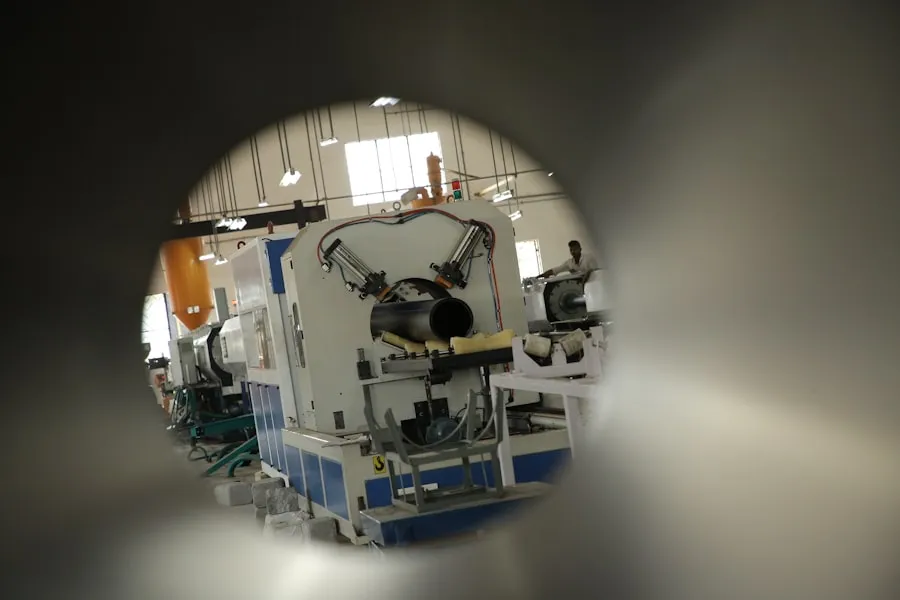
Une plaqueuse de chants automatique est un équipement utilisé dans le travail du bois pour appliquer une fine bande de matériau sur les bords exposés d'un panneau, tel qu'un contreplaqué ou un panneau de particules. Ce processus est connu sous le nom de placage de chants et la machine automatise le processus, augmentant ainsi l'efficacité et la précision.
Une plaqueuse de chants automatique fait passer le panneau dans la machine, où le matériau de placage de chants est appliqué sur les bords exposés à l'aide de chaleur, de pression et d'adhésif. La machine coupe l'excès de matériau et lisse les bords, ce qui donne un aspect fini et professionnel.
L'utilisation d'une plaqueuse de chants automatique offre plusieurs avantages, notamment une efficacité accrue, des résultats constants et de haute qualité, des coûts de main-d'œuvre réduits et la possibilité de travailler avec une variété de matériaux de placage de chants tels que le PVC, le bois et l'acrylique.
Une plaqueuse de chants automatique peut travailler avec une grande variété de matériaux de chants, notamment le PVC, l'ABS, le bois, l'acrylique et la mélamine. Cette polyvalence permet une flexibilité dans la conception et les options de personnalisation des projets d'ébénisterie.
Lors du choix d'une plaqueuse de chants automatique, les facteurs à prendre en compte sont la vitesse de la machine, sa capacité, sa flexibilité dans le traitement de différents matériaux de placage de chants, sa facilité d'entretien et son rapport coût-efficacité global pour les besoins spécifiques de l'entreprise de menuiserie.


 English English
 العربية
 Bahasa Indonesia
 ไทย
ไทย Deutsch
 Русский
 Español
 Nederlands
 Italiano
 Tiếng Việt
 Português do Brasil
 Français
 Dansk
Dansk Xhosa
Xhosa 日本語
日本語 香港中文
香港中文