
So, you’re looking to get the most out of your wood cutting table saw? Good call! The short answer is that by understanding your saw, optimizing your feed rate, choosing the right accessories, and maintaining your setup, you can significantly boost your efficiency. It’s not just about raw power; it’s about smart usage that translates to better cuts, less wasted material, and more time for your next project.
A table saw isn’t just a motor with a blade; it’s a precision tool. To truly maximize its efficiency, you need to understand its core components and how they contribute to its overall performance.
Your saw’s motor is its powerhouse. A good, robust motor, often 15-amp in many of the top 2026 models from brands like Evolution, Power Tech, or the Skil TS6308-00, is crucial for smooth cuts, especially through hardwoods and thick sheet goods. A strong motor means less bogging down, which means less effort and cleaner cuts.
The blade is equally important. It’s the part that actually touches the wood! Don’t just stick with the stock blade if you’re serious about efficiency. Different blade types – rip blades, crosscut blades, combination blades, and specialized dado sets – are designed for specific tasks. Using the right blade for the job will dramatically improve cut quality and reduce strain on both the saw and the wood. For instance, a thin-kerf blade can save you material, especially on expensive lumber, by removing less wood.
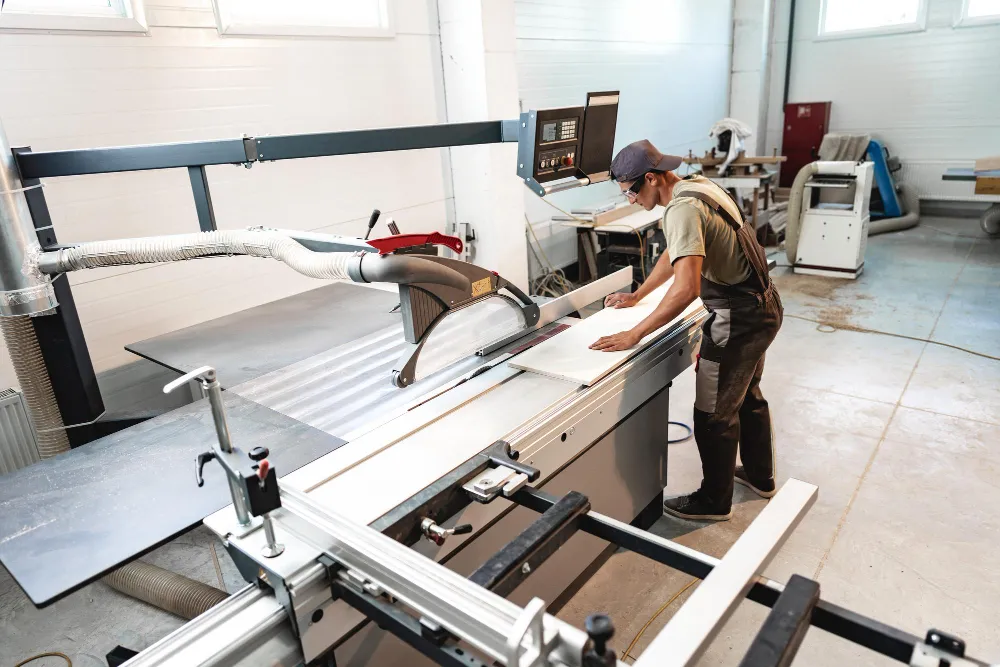
A stable table and a precise fence are non-negotiable for efficient, accurate work. Many highly rated saws for 2026 feature sturdy cast iron tables, which provide a flat, stable work surface and dampen vibration. Vibration leads to inaccurate cuts and can even be a safety hazard.
The fence is what guides your wood parallel to the blade for rip cuts. A good fence locks down securely, remains parallel to the blade, and is easy to adjust. Fences with micro-adjustment features allow for very fine tuning, saving you from trial and error and wasted material. Some modern saws even boast digital displays for fence position, taking the guesswork out of measurements.
Modern table saws are getting smarter. You’ll find features like automatic blade tracking, which helps maintain alignment, and smart sensors that can monitor motor load or even detect foreign objects. While not strictly essential for every user, these innovations can certainly contribute to a smoother, more efficient workflow, particularly on job sites where speed and reliability are paramount.
If you’re looking to enhance your woodworking skills, you might find the article on the best practices for using a wood cutting table saw particularly helpful. This resource provides essential tips on safety, maintenance, and techniques to achieve precise cuts, making it a valuable read for both beginners and experienced woodworkers. You can check out the article here: Best Practices for Using a Wood Cutting Table Saw.
This is where a lot of woodworkers, myself included, often have to learn by doing. There’s a popular video from Enduring Charm LLC (March 27, 2026) that really emphasizes the importance of “feeling” the right feed rate, and they’re absolutely right. It’s a critical element for both quality cuts and safety.
Feed rate is simply how fast you push the wood through the blade. Too fast, and you risk kickback, burning the wood, or making a rough, inaccurate cut. Too slow, and you might also burn the wood, and you’re just wasting time. The goal is to move the wood at a consistent speed that allows the blade to do its job cleanly and efficiently.
There’s no one-size-fits-all answer for feed rate, as it depends on several key factors:
This comes with practice. Start with a moderate, consistent speed. Pay attention to the sound of the saw – a strained motor sound indicates you’re going too fast. Look at the cut edge – burning indicates either going too slow, a dull blade, or too fast. The wood should move smoothly, and the saw should sound like it’s working but not struggling. It’s a sensory experience, and with time, you’ll intuitively know when you’ve hit that sweet spot. Consistency is key here. Any pauses or slowdowns during the cut can lead to burning or unevenness.

Standard table saws are great, but for specific tasks, especially when dealing with larger materials or high volume, some specialized setups can make a world of difference.
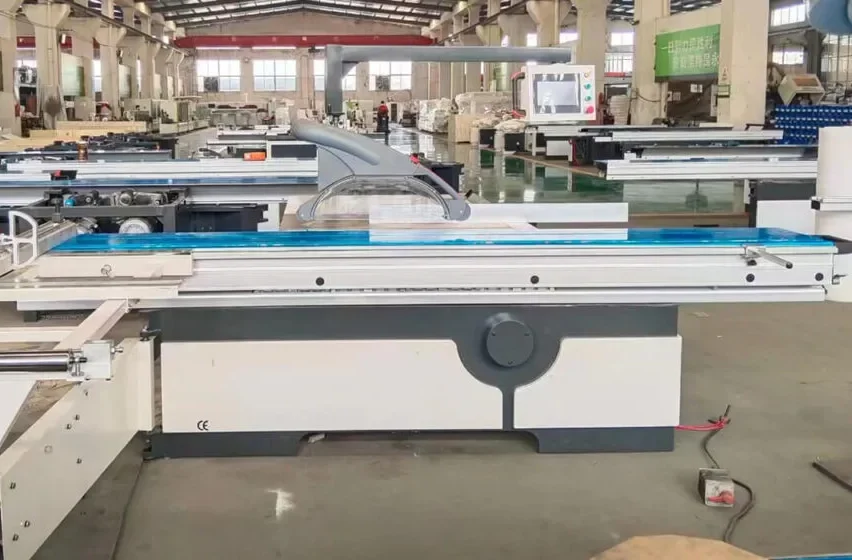
Holdmac.com really nails it by highlighting the benefits of sliding table saws. These aren’t your typical portable jobsite saws. They are workhorses designed for precision and speed on large panels, making them invaluable for furniture and cabinet makers.
The key feature is the sliding table, which moves the material past the blade on precision bearings. This offers unparalleled accuracy, especially for cross-cutting large sheets of plywood or MDF that would be unwieldy and unsafe on a standard table saw. This precision directly translates to less material waste and significantly reduced time spent on layout and cutting. They also excel at supporting bevel cuts on large stock, further increasing versatility and efficiency in high-volume production environments.
Don’t underestimate the efficiency gains from modern jobsite table saws. As IQPowerTools points out, these saws are not just about portability; they’re designed for high output and versatility in demanding environments.
Many models now feature stronger motors, improved fences, and even digital displays, bringing a level of precision and speed once reserved for larger shop saws into the field. Their ability to handle rip cuts, crosscuts, and even dado cuts with relative ease means construction workers and contractors can perform a wider range of tasks on site, reducing the need for multiple specialized tools and minimizing fatigue. This translates directly to higher output and cleaner work.
While not a separate saw, using a dado blade set on a compatible table saw dramatically expands its capabilities and efficiency. Dados are square or rectangular grooves cut into the surface or edge of wood.
A dado stack allows you to cut a variety of widths in one pass, which is incredibly efficient for joinery like rabbets, tenons, or grooves for shelves and drawer bottoms. Instead of making multiple passes with a standard blade, which is tedious and prone to error, a properly installed dado stack cuts the perfect groove every time, saving a significant amount of time and ensuring consistent, strong joints.

Efficiency isn’t just about speed; it’s also about preventing downtime, injuries, and rework. Safety and proper maintenance are foundational to maximizing your table saw’s long-term efficiency.
While the CPSC/FTC’s decision to drop planned table saw safety rules (Aug-Sep 2025 news from ENR and NCL) is concerning to consumer groups, it doesn’t diminish the need for individual awareness and adherence to best practices. Technology like flesh-detection is incredible but isn’t a substitute for smart use.
Dust and sawdust are the enemies of efficiency. They can clog up adjustment mechanisms, make fences stick, and even bog down the motor.
A misaligned table saw is an inefficient table saw. It leads to inaccurate cuts, burning, and increased risk of kickback.
Minor tweaks can make a huge difference in how your saw performs. By proactively checking and adjusting these alignments, you ensure every cut is as precise and efficient as possible.
When considering the best practices for using a wood cutting table saw, it is essential to understand the safety measures and techniques involved. A related article that provides valuable insights on this topic can be found ici. This resource covers everything from proper stance to the importance of using safety equipment, ensuring that both beginners and experienced woodworkers can operate their table saws with confidence and precision.
| Fonctionnalité | Spécifications |
|---|---|
| Blade Diameter | 10 inches |
| Motor Power | 15 amps |
| Cutting Capacity | Up to 3 inches thick |
| Table Size | 24 x 22 inches |
| Bevel Capacity | 0-45 degrees |
While the core components are vital, a few well-chosen accessories can further enhance your table saw’s efficiency and expand its capabilities.
Your saw likely came with a basic miter gauge. While functional, many aftermarket miter gauges offer significantly more precision, better fences, and fine-tuning adjustments. This allows for extremely accurate crosscuts and angled cuts.
For larger panel crosscuts or repetitive cuts, a crosscut sled is often superior. A well-built sled glides smoothly in the miter slots, holding the workpiece securely and allowing for very precise, repeatable cuts without the risks associated with freehand cutting or relying solely on a small miter gauge. They are also fantastic for cutting shorter pieces safely.
Featherboards apply gentle, consistent pressure to the workpiece against the fence and down onto the table, preventing it from wandering or lifting during the cut. This results in cleaner, more consistent rip cuts and significantly reduces the risk of kickback, contributing to both safety and efficiency.
Specialized push blocks, particularly those for narrow rips like the GRR-RIPPER, provide incredible control and safety. They allow you to maintain downward and forward pressure on thin stock, keeping your hands far away from the blade and ensuring the cut is completed safely and accurately.
Effective dust collection isn’t just about a clean shop; it’s about efficiency and tool longevity. Sawdust in the air is a health hazard, but also, excessive build-up inside the saw can strain the motor, degrade components, and reduce the effectiveness of the blade.
Connecting your table saw to a proper dust collector or a powerful shop vacuum significantly reduces airborne dust and keeps your saw running cleaner and cooler. Many modern saws have dedicated dust ports that are highly effective when connected to a capable system. Less time spent cleaning means more time cutting, and a healthier working environment.
By focusing on these practical elements – understanding your saw, dialing in your feed rate, leveraging advanced setups, prioritizing safety and maintenance, and utilizing smart accessories – you’ll transform your table saw from a basic cutting tool into an incredibly efficient and precise woodworking powerhouse. It’s about working smarter, not just harder.
A wood cutting table saw is a powerful woodworking tool used to make straight and precise cuts in wood. It consists of a circular saw blade mounted on an arbor, driven by an electric motor. The blade protrudes through the surface of a flat table, providing support for the wood being cut.
To use a wood cutting table saw, the wood is placed on the table and pushed through the rotating blade to make the desired cut. The user must ensure that the wood is properly supported and that all safety precautions are followed to prevent accidents.
There are several types of wood cutting table saws, including portable table saws, contractor table saws, cabinet table saws, and hybrid table saws. Each type has its own features and is suitable for different woodworking needs.
When using a wood cutting table saw, it is important to wear appropriate safety gear, such as safety glasses and hearing protection. Additionally, users should always follow the manufacturer’s instructions, keep the work area clean and organized, and use push sticks or other tools to keep hands away from the blade.
Using a wood cutting table saw allows for precise and accurate cuts in wood, making it an essential tool for woodworking projects. It also saves time and effort compared to using hand tools, and can be used to cut a wide variety of wood materials.


 English English
 العربية
 Bahasa Indonesia
 ไทย
ไทย Deutsch
 Русский
 Español
 Nederlands
 Italiano
 Tiếng Việt
 Português do Brasil
 Français
 Dansk
Dansk Xhosa
Xhosa 日本語
日本語 香港中文
香港中文