
It can be immensely satisfying to work with wood & make beautiful, useful pieces by hand. But let’s face it—those strong machines & sharp tools are worthy of respect. Fortunately, staying safe in the workshop doesn’t require fear; rather, it requires intelligence and initiative.
In order to help you enjoy your craft without taking unnecessary risks, this guide will walk you through important woodworking safety tips. Although it may not be your first thought, what you wear to the workshop is very important. Uncontrolled hair, jewelry, and loose clothing are the main causes of getting tangled in moving parts. Getting Rid of the Hanging Bits. Tie your hair back securely in a ponytail or bun if you have long hair.
Tuck it under a cap for even better results. Take off any jewelry that could snag or be pulled into machinery, such as watches, necklaces, & rings. A severe degloving injury can even result from a wedding band.
Wear clothing that is snug: Choose fitted shirts & pants. Steer clear of anything that hangs loosely, such as drawstrings and baggy sleeves. Keep Your Lungs and Peepers Safe. It is imperative to wear safety glasses or a full face shield before turning on any machinery.
Sure, here is the sentence with the clickable link:
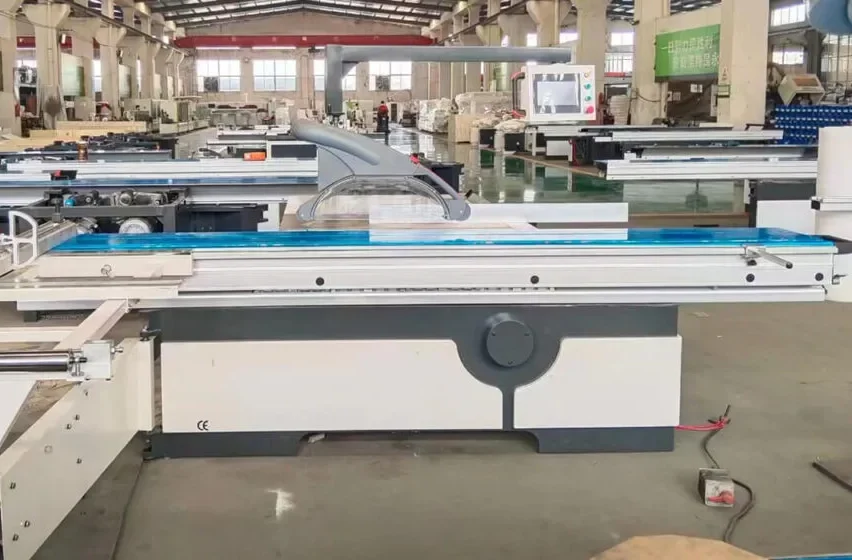
I am interested in purchasing a sliding table saw table for my woodworking projects, you can find more information about it at SH6132BAA.
Dust, flying splinters, and wood chips are serious problems. Verify that they have ANSI Z87.1 certification. Pay attention to your lungs: Wood dust poses a health risk in addition to being a nuisance. When sanding, routing, or cutting MDF, a good dust mask—N95 or better for fine dust—is crucial. For your bigger machines, think about installing a dust collection system.
Footwear is important. Sandals, flip-flops, and open-toed shoes are not allowed in the store. A heavy piece of wood or a dropped chisel can seriously harm unprotected feet. If you frequently handle heavy stock, steel-toed boots might be a good choice.
An important part of preventing accidents is your shop itself. A disorganized, dimly lit, or cluttered area is a recipe for disaster. Keep it clear and tidy. Maintaining a clean home involves more than just aesthetics. Offcuts that are lying around present a trip hazard, and sawdust is slick.
Particularly in the vicinity of your machines, clean up frequently. Keep power cords out of the way. Clear workspaces: Make sure each machine has enough room to be used comfortably and to handle your materials. Don’t overstock your store with pointless goods.
Allow Light to Enter. Ample lighting: Your shop needs adequate, uniform lighting, particularly at your workstations. Inaccurate cuts and possible mishaps can result from shadows obscuring details. For certain machines, task lighting is a huge benefit.
Natural light is fantastic. If you have windows, make use of natural light, but add artificial light to keep visibility constant and avoid shadows. Turning on safely. First, ensure electrical safety by routinely checking cords for damage or frays.
Avoid overloading circuits and use the proper extension cords (heavy-duty, appropriately rated). Any workshop would benefit from having GFCI outlets, particularly if you’re working near water (although you should try to keep water away from electrical tools). Unplug when not in use: If you are changing blades, doing maintenance, or leaving the shop, you should never leave a machine plugged in. It could be inadvertently triggered by a slight bump. In the case of woodworking tools, knowledge is both power and safety. Read the user manual before assuming you know how to use something.
Take the time to read the manual. Understand your machine: Every tool has peculiarities. The handbook provided by the manufacturer is your best resource. It describes maintenance, safety features, correct operation, and possible risks. Look through it, even for the tools you believe you are familiar with.
Become familiar with the controls: Before you make your first cut, be aware of where the on/off switch is, how to quickly stop it, & how to change the settings. Get the setup down pat. Safeguard your work piece: This is essential.
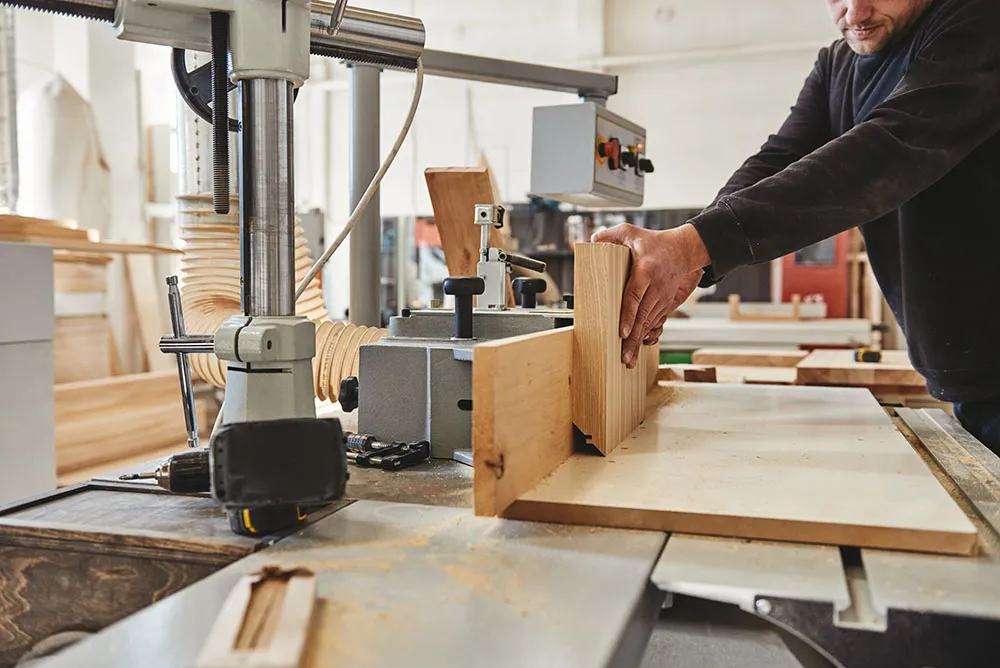
Your material must be securely held using jigs, push sticks, or clamps. Unexpected shifting of a workpiece is extremely risky. A table saw or band saw should always be guided, so never make freehand cuts.
Correctly set the depth of the blade or bit: For saws, the blade should just barely touch the top of the material. Set the bit to the proper depth for routers. Kickback or poor cuts can result from using the wrong depths. Make sure there are no clamps, loose objects, or even your hand in the way of a machine’s blade or bit before turning it on.
The Featherboard and Push Stick Theory. Adopt push sticks and blocks: These are necessary safety devices, particularly for table saws & jointers. They are not optional accessories. Small pieces should never be pushed through a blade with your bare hands. Featherboards for control: By keeping your workpiece pressed against the table and fence, featherboards reduce kickback and enhance cut quality.
Utilize them as needed. A smart approach to your work and sound judgment are more important than any safety guard or switch. Your habits and attitude are crucial.
Avoid hurrying. Being patient is a virtue because hurrying causes errors. Take your time guiding your material, measuring precisely, and setting up your cuts. Take a rest if you’re feeling rushed.
Avoid working while fatigued or impaired: Your risk of accidents is significantly increased when you are fatigued, ill, or under the influence of alcohol or medication. Save your shop time for when you’re focused and awake. Recognize Your Limitations (and Your Resources). Don’t overreach: Only take on tasks that you are competent and at ease performing.
If a cut seems unsafe or uncomfortable, try using a different method or tool. Don’t push it: Stop if a machine is having trouble, the wood isn’t feeding smoothly, or the motor is slowing down. Forcing material through may cause kickback, harm the tool, or create a hazardous circumstance. It usually indicates that the blade or bit is dull or that something is not properly set up.
Keep Your Attention. Reduce distractions by turning off the TV, putting your phone away, and communicating your need for uninterrupted time to your family. A brief loss of focus can have detrimental effects. Plan your cuts: Consider every step of the process before turning on a machine. Where will the cut-off be, where will your hands be, & how will you bolster the content?
Accidents can still occur even with the best safety measures. Being ready for emergencies can help reduce the harm. First aid preparedness.
Workshop first aid kit: It is imperative to have a fully stocked first aid kit. Bandages, sterile gauze, antiseptic wipes, medical tape, painkillers, and anything particular for possible workshop injuries should be included (e.g. The g. splinter removers, burn cream, etc.). Know where it is and how to use it: Ensure that everyone who visits the store is aware of its location and that it is easily accessible.
Think about enrolling in a basic first aid course. Do not be reluctant to contact emergency services for professional medical assistance if you have serious injuries. Recognize your address and be prepared to give precise details. safety against fire.
Fire extinguisher: Make sure it’s charged and keep at least one ABC-rated fire extinguisher on hand. Understand its use (P. (A). In S. To S. technique: Pull, Aim, Squeeze, Sweep). Storage of flammable materials: Keep solvents, finishes, and other flammable liquids in labeled, approved containers in a well-ventilated space away from sources of ignition.
Regularly clear the dust because sawdust is very flammable. Frequent shop cleanup greatly lowers the risk of fire, especially when dust from motors and electrical components is removed. Rags soaked in oil-based finishes may spontaneously catch fire, so dispose of them appropriately. Don’t simply discard them.
They can be stored in an authorized, sealed metal container made especially for oily waste, laid flat to dry, or immersed in water. You’ll safeguard yourself and cultivate a more disciplined and pleasurable approach to your craft by incorporating these safety procedures into your regular woodworking routine. Have fun and be careful when working with wood!
Some common woodworking safety hazards include flying debris, sharp tools, electrical equipment, and exposure to harmful fumes and dust.
Some safety measures to take when working with woodworking tools include wearing appropriate personal protective equipment, using tools with safety guards, keeping work areas clean and organized, and following proper tool usage guidelines.
To protect themselves from harmful fumes and dust while woodworking, individuals should use proper ventilation, wear respiratory protection, and use dust collection systems on power tools.
Some best practices for preventing woodworking-related injuries include receiving proper training on tool usage, maintaining tools in good condition, avoiding distractions while working, and following safety guidelines for each specific woodworking task.
In case of a woodworking-related injury, individuals should seek immediate medical attention, report the incident to their supervisor or employer, and follow any necessary first aid procedures.



 English English
 العربية
 Bahasa Indonesia
 ไทย
ไทย Deutsch
 Русский
 Español
 Nederlands
 Italiano
 Tiếng Việt
 Português do Brasil
 Français
 Dansk
Dansk Xhosa
Xhosa 日本語
日本語 香港中文
香港中文
