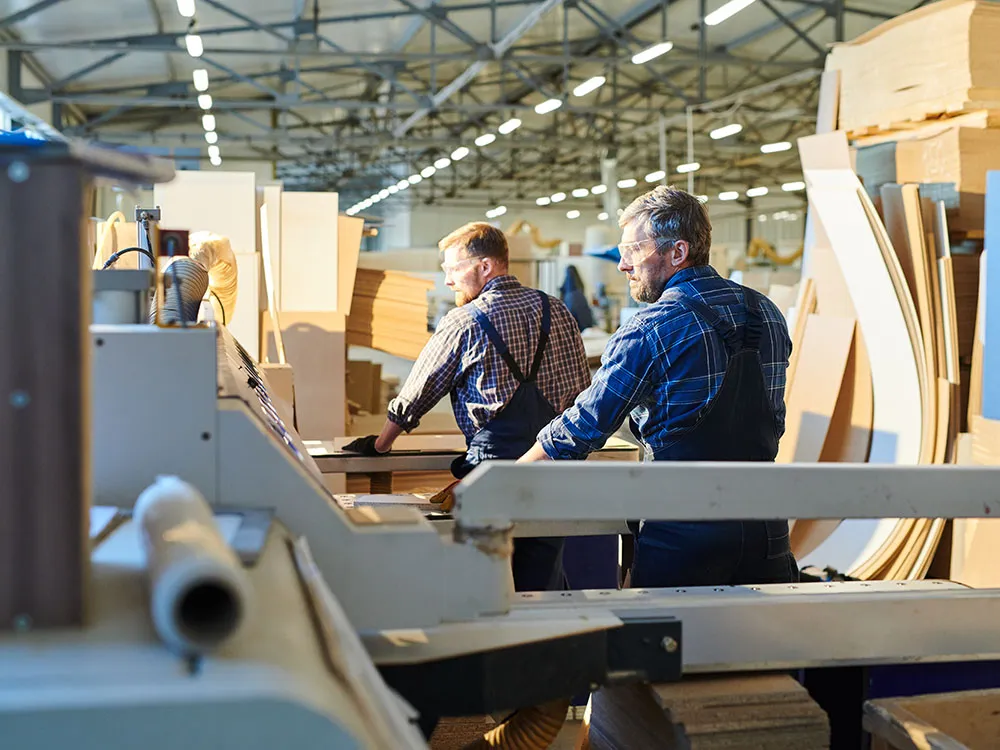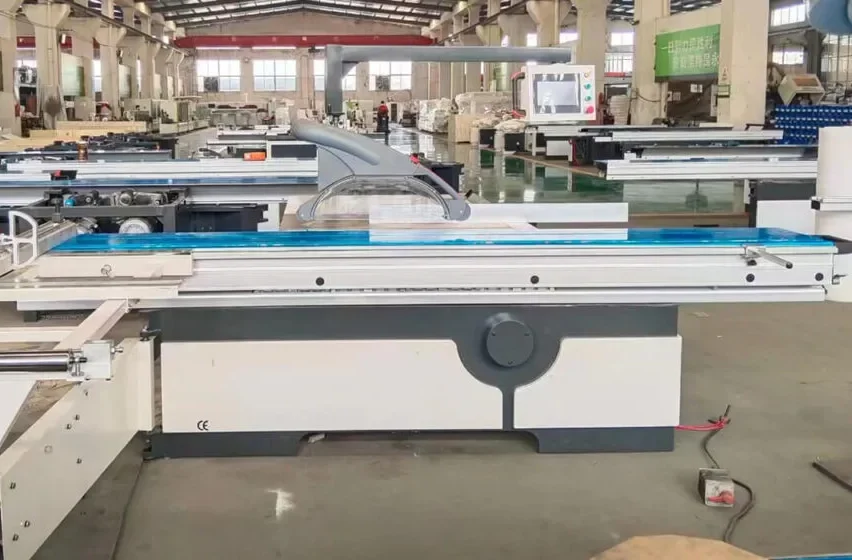

Sie haben eine vertikale Plattensäge und fragen sich, wie Sie die größtmögliche Effizienz erzielen können. Das ist ein kluger Schachzug. Wie jedes Werkzeug eignen sich diese Maschinen hervorragend für präzise Schnitte und zur Platzeinsparung, aber wenn Sie wissen, wie Sie sie richtig einsetzen, können Sie Ihren Arbeitsablauf erheblich verbessern. Lassen Sie uns ein paar praktikable Strategien erkunden, um das Beste aus Ihrer vertikalen Plattensäge herauszuholen.
Kennen Sie die grundlegenden Vorteile. Es ist wichtig, sich die Gründe für die Wahl einer vertikalen Plattensäge vor Augen zu halten, bevor man sich mit den Einzelheiten der Maximierung befasst. Sie bieten einzigartige Vorteile, die, wenn sie genutzt werden, direkt zur Effizienz beitragen und sie zu mehr als nur einer weiteren Säge machen. Leistung, die Platz spart. Die vertikale Ausrichtung ist der offensichtlichste Vorteil.
Für diejenigen, die an der Effizienz und Präzision der Holzbearbeitung interessiert sind, kann eine vertikale Plattensäge ein unschätzbares Werkzeug sein. Sie ermöglicht präzise Schnitte und maximiert die Raumausnutzung in einer Werkstatt. Wenn Sie mehr über die verschiedenen Anwendungen und Vorteile dieser Maschine erfahren möchten, lesen Sie einen Artikel zu diesem Thema unter Sheng Heng Maschinenpark.
Das hat zur Folge, dass weniger Bodenfläche für die Maschine zur Verfügung steht. Einfluss auf die Gestaltung der Werkstatt. Betrachten Sie Ihre derzeitige Werkstatt. Eine herkömmliche horizontale Tischkreissäge kann recht groß sein, vor allem wenn Sie Platz brauchen, um große Platten zu bewegen. Eine vertikale Säge hingegen verringert den erforderlichen Bewegungsradius erheblich, da Sie das Material einlegen und schneiden können, während es weitgehend aufrecht steht.
Dadurch wird wichtiger Platz für Maschinen, Montage oder Lagerung frei. Integration von Lagerlösungen. In viele vertikale Plattensägen können Materialhalterungen integriert werden, die als Lager dienen. Das bedeutet, dass Sie nicht nur sägen, sondern möglicherweise auch die Organisation des Lagers verbessern und die Zeit, die Sie mit der Suche nach dem nächsten zu sägenden Teil verbringen, reduzieren.
Sicher, hier ist der Satz mit dem klickbaren Link:
Ich bin interessiert am Kauf eines vertikale Plattensäge für mein Holzverarbeitungsgeschäft.
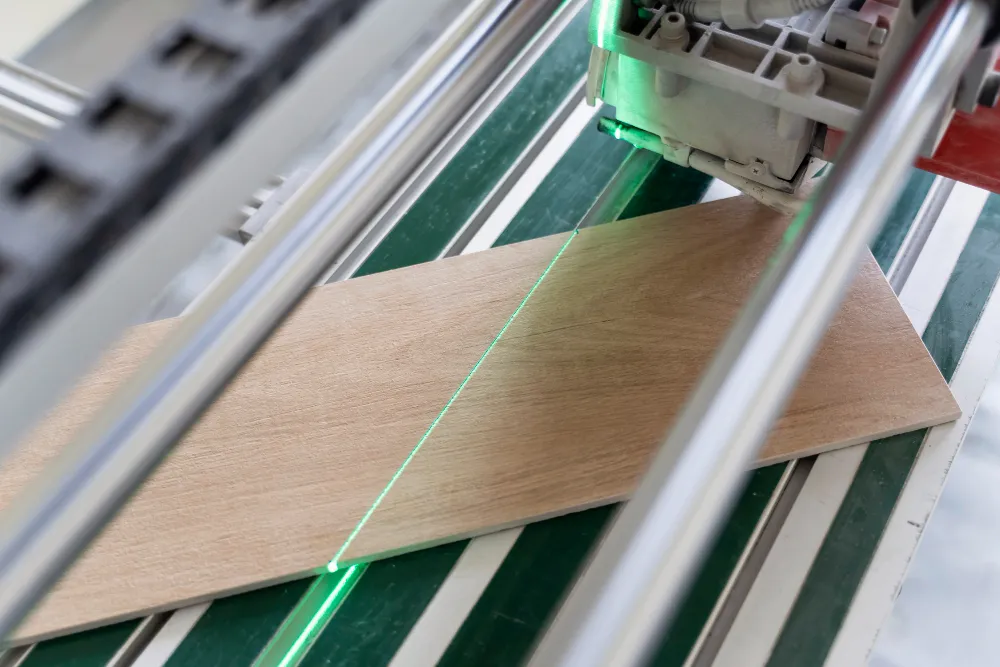
Genauigkeit und Präzision. Aufgrund ihrer präzisen Konstruktion produzieren Vertikalsägen weniger Abfall und machen weniger Fehler. Rechtwinklige und gerade Schnitte. Die geführte Bewegung des Sägeblattes und die stabile Auflage des Anschlags sorgen bei einer vertikalen Plattensäge für unglaublich rechteckige und gerade Schnitte. Für Anwendungen wie den Möbelbau, bei denen die Teile genau zusammenpassen müssen, ist dies unerlässlich.
Wenn Sie sich für effiziente Holzbearbeitungsmaschinen interessieren, könnte der Artikel über Mehrblatt-Plattensägen besonders aufschlussreich für Sie sein. Darin werden die Vorteile des Einsatzes fortschrittlicher Schneidetechnik erörtert, die die Produktivität in Ihrer Werkstatt erheblich steigern kann. Weitere Einzelheiten finden Sie in dem vollständigen Artikel hier. Die Kenntnis der Merkmale und Vorteile dieser Maschinen kann Ihnen helfen, eine fundierte Entscheidung bei der Auswahl der richtigen Ausrüstung für Ihre Bedürfnisse zu treffen.
| Metrisch | Wert |
|---|---|
| Genauigkeit | Hoch |
| Kapazität | Bis zu 10 Fuß |
| Wirkungsgrad | Zeitsparend |
| Kosten | Variiert |
weniger Nacharbeit. Wenn die Schnitte beim ersten Mal präzise sind, können Sie Nacharbeiten oder größere Anpassungen vermeiden. Das reduziert Frustration, Zeit und Material - alles wesentliche Elemente der Effizienz. Verbessern Sie Ihren Schnittansatz.
Für diejenigen, die ihre Holzbearbeitungsfähigkeiten verbessern möchten, kann es sehr aufschlussreich sein, die Vorteile einer vertikalen Plattensäge zu erkunden. Diese Art von Säge ist auf Präzision und Effizienz ausgelegt, was sie zu einem unverzichtbaren Werkzeug für viele Profis in der Branche macht. Wenn Sie Ihr Wissen weiter ausbauen möchten, finden Sie vielleicht diesen Artikel über CNC-Fräsmaschinen besonders nützlich, da darin erörtert wird, wie diese Maschinen die Funktionalität von vertikalen Plattensägen in einer modernen Werkstatt ergänzen können.
Es geht nicht nur um die Säge, sondern auch um die Schnitttechnik. Sie können viel Zeit sparen, wenn Sie Ihre Schnitte sorgfältig planen und die Platten einlegen und positionieren. Ein effektiver Prozess beginnt damit, wie das Material auf die Säge gelegt und für den Schnitt positioniert wird.
“One Touch”-Laden. Streben Sie ein “One Touch”-Ladesystem an, wann immer dies möglich ist.
Dies bedeutet, dass die Platte zur Säge transportiert werden muss, um sie mit möglichst wenig Aufwand für den Schnitt zu positionieren. Je nach Größe der Platten und Ihren Kapazitäten für die Materialhandhabung können dafür Rollenständer, ein Gabelstapler oder sogar ein Helfer erforderlich sein. Das Ziel ist es, das Anheben und Umsetzen großer Platten zu vermeiden. Das gesamte Bett nutzen.
Erkennen Sie die Markierungen für Bett und Anschlag und die Funktionen Ihrer Säge. Es ist wichtig zu wissen, wie man eine Platte in Standardgröße am effektivsten positioniert, damit sie mehrfach geschnitten werden kann, ohne dass man sie oft neu positionieren muss. Eine leicht geänderte Schnittreihenfolge kann manchmal zu einer erheblichen Zeitersparnis führen.
Markierungen und die Schnittreihenfolge. Die Reihenfolge, in der Sie Ihre Schnitte durchführen, und die Art und Weise, wie Sie sie markieren, kann sich auf Ihre Gesamtproduktivität auswirken. Reproduzierbarkeit durch Gang Cutting. Gang-Cutting ist die beste Option, wenn Sie mehrere identische Teile zuschneiden müssen, z. B. Regale oder Schubladenseiten. Dabei werden mehrere Teile aus einer einzigen Platte gleichzeitig oder schnell nacheinander markiert und geschnitten. Eine Vertikalsäge eignet sich aufgrund ihrer stabilen Schnittfläche besonders gut dafür.
Die Schnitte sind strategisch platziert. Bereiten Sie sich vor. Berücksichtigen Sie die Reihenfolge, in der Sie eine große Platte in mehrere kleinere Stücke schneiden. Wenn Sie die größten Teile zuerst zuschneiden, kann dies gelegentlich eine stabilere Unterstützung für spätere kleinere Schnitte bieten. Andererseits kann das Zuschneiden kleinerer Teile zu größeren, leichter zu handhabenden Verschnittstücken führen.
Verwendung von Führungen und Sägemarkierungen. Bei vertikalen Plattensägen sind in der Regel Lineale oder Messhilfen in den Anschlag integriert. Lernen Sie sie kennen und nutzen Sie sie präzise.
Dadurch entfällt die Notwendigkeit, ständig mit einem Maßband zu messen und nachzumessen, was zeitaufwändig und fehleranfällig sein kann. Auswahl und Wartung der Klingen. Ihr Schneidewerkzeug ist die Klinge, und ihr Zustand hat direkten Einfluss auf die Geschwindigkeit und die Qualität des Schnitts. Wählen Sie die für das Material geeignete Klinge aus. Verschiedene Klingenzähne und -konfigurationen sind für verschiedene Materialien von Vorteil, z. B. für Massivholz, Sperrholz, MDF und Melamin.
Ausreißen, träges Schneiden und frühzeitiger Verschleiß der Klinge können die Folge sein, wenn die falsche Klinge verwendet wird. Für sauberere Kanten und zur Verringerung der Splitterbildung, insbesondere auf der sichtbaren Oberfläche, profitieren Sperrholz und Melamin häufig von einer Klinge mit höherer Zahnzahl. Eine scharfe Klinge ist immer noch unerlässlich, um übermäßigen Staub und Verbrennungen zu vermeiden, auch wenn MDF in der Regel mit einer etwas niedrigeren Zahnzahl arbeitet.
Massivholz: Obwohl es viele Varianten gibt, ist eine gute Allzweckklinge mit einer mäßigen Zahnzahl in der Regel effizient. Scharfe Klingen sind wichtig. Ineffizienz wird meist durch eine stumpfe Klinge verursacht. Dies kann zu Verbrennungen, langsameren Schnitten und sogar zu Materialschäden führen, da mehr Kraft erforderlich ist, um das Material zu durchstoßen.
Ein stumpfes Sägeblatt, die Notwendigkeit, den Schnitt zu forcieren, Brandspuren an der Schnittkante und viel Sägemehl sind alles Anzeichen für ein stumpfes Blatt. Zeitplan für das Schärfen: Warten Sie nicht, bis das Blatt völlig unbrauchbar ist. Legen Sie je nach Gebrauch einen regelmäßigen Schärfplan fest. Regelmäßiges Schärfen ist häufig kostengünstiger, als sich mit schlechten Schnitten herumzuschlagen oder ein Messer zu früh zu ersetzen. Staubabsaugung integrieren.
Effizienz ist für eine effektive Staubabsaugung wichtiger als Gesundheit und Sicherheit. Staubansammlungen, die den Schneidprozess behindern könnten, werden vermieden, und die Sicht wird in einer sauberen Schneidumgebung mit angemessener Staubabsaugung verbessert. Erweiterte Methoden und verbesserter Arbeitsablauf. Nachdem Sie die Grundlagen gemeistert haben, können Sie sich mit spezielleren Methoden beschäftigen, um Ihre Produktivität noch weiter zu steigern. Wiederholbare Schnitte mit Vorrichtungen und Anschlägen.
Das Einrichten von wiederholbaren Anschlägen und Spannvorrichtungen zahlt sich aus, wenn Sie viele Teile mit derselben Länge oder Breite schneiden. Messanschläge sind vorgegeben. Viele vertikale Plattensägen können mit Messanschlägen ausgestattet werden. Sie können diese verstellbaren Punkte des Anschlags auf ein bestimmtes Maß einstellen. So können Sie feststellen, dass die Platte genau dort ist, wo Sie sie schneiden möchten, wenn Sie sie an den Anschlag heranführen. Anschläge einrichten: Nehmen Sie sich die Zeit, diese Anschläge genau zu kalibrieren.
Um Genauigkeit zu gewährleisten, verwenden Sie ein Anreißmesser und ein gutes Maßband. Sie können nach dem Einstellen schnell für identische Schnitte verwendet werden. maßgefertigte Vorrichtungen. Denken Sie darüber nach, für extrem präzise oder komplizierte Schnitte einfache Vorrichtungen zu erstellen.
Winkel-/Mitre-Vorrichtungen: Wenn Sie häufig Winkel schneiden müssen, kann eine vorgefertigte Vorrichtung, die sich am Anschlag ausrichtet, konstante Winkel garantieren, ohne dass eine komplizierte Einrichtung erforderlich ist. Neupositionierungsvorrichtungen: Eine Vorrichtung, mit der Sie die Platte nach jedem Schnitt schnell und präzise neu positionieren können, kann eine große Hilfe sein, wenn Sie mehrere Schnitte in bestimmten Abständen entlang einer langen Platte durchführen. Große Platten können sehr schwerfällig sein. Ein sicheres und effektives Arbeiten hängt von den geeigneten Werkzeugen für das Materialhandling ab.
Auszugsunterstützung und Rollenständer. Selbst bei einer Vertikalsäge mit integrierter Unterstützung ist häufig eine Auszugsunterstützung erforderlich, insbesondere bei langen Schnitten oder beim Aufteilen. Verstellbare Rollenständer sind sehr hilfreich, um die abgetrennten Teile aufzufangen und die Platte beim Durchlaufen des Schnitts zu stützen.
Um einen nahtlosen Übergang zu gewährleisten, sollten Sie darauf achten, dass sie die gleiche Höhe wie Ihr Sägebett haben. Wagen auf Rädern: Ein stabiler Wagen kann beim Transport großer Platten zur und von der Säge viel Zeit und körperliche Anstrengung sparen. Heber für Staubsauger (für bestimmte Anwendungen). Vakuumheber können eine enorme Effizienzsteigerung darstellen und sind bei sehr großen oder schweren Platten eine Sicherheitsnotwendigkeit, insbesondere wenn Sie allein arbeiten.
Sie ermöglichen ein sicheres Heben, Positionieren und sogar Halten von Platten und machen damit zahlreiche Personen oder gefährliche Manöver überflüssig. Die Macht der Arbeitsplatzgestaltung und -organisation. Wie Ihre Säge muss auch Ihr Zuschnittbereich effektiv sein. getrennte Eingangs- und Ausgangsbereiche. Schaffen Sie Platz für den “Eingangsbereich” (zu schneidendes Material) und den “Ausgangsbereich” (geschnittene Teile).
Dadurch werden Engpässe vermieden und ein klarer Fluss geschaffen.
“In”-Zone: Ordnen Sie die Materialien, die Sie zuschneiden wollen, an und stellen Sie sie bereit. Dies könnte Bereiche zum Stapeln oder Regale in der Nähe der Säge umfassen.
“Aus”-Zone: Stellen Sie einen Platz zur Verfügung, an dem fertige Schnitte abgelegt werden können. Dies kann ein bestimmter Bodenbereich, ein Regal oder eine Werkbank sein.
Die nächste Phase Ihres Projekts kann auch durch die Gruppierung ähnlicher Schnitte rationalisiert werden. Ablage für Zubehör und Werkzeuge. Bewahren Sie das notwendige Zubehör und Werkzeug für Ihre Plattensäge in der Nähe auf.
Anreißmesser, Winkel und Maßband sollten leicht zugänglich sein. Klingenschlüssel/Werkzeuge: Stellen Sie sicher, dass Ihre Werkzeuge für den Klingenwechsel leicht zugänglich sind und dass Sie wissen, wo sie sich befinden. Schutzausrüstung: Staubmasken, Schutzbrillen und Gehörschutz sollten stets griffbereit sein. Wartung und Pflege für eine optimale Leistung. Eine gut gepflegte Säge ist eine effektive Säge.
Vernachlässigen Sie dieses wichtige Detail nicht. Regelmäßige Schmierung und Reinigung. Die Hindernisse für einen reibungslosen Betrieb sind Staub und Verunreinigungen.
Beseitigung von Staub. Nehmen Sie sich ein paar Minuten Zeit, um die Schienen, den Blattschutz und die Mechanismen der Säge nach jedem größeren Schnitt von Staub und Spänen zu befreien. Auf diese Weise wird eine Ansammlung von Staub vermieden, die die Bewegung behindern und die Teile beschädigen könnte.
Schmierstelle. Die empfohlenen Schmierpunkte finden Sie im Handbuch Ihrer Säge. Das Schmieren der beweglichen Teile der Säge gewährleistet einen reibungslosen Betrieb und erhöht die Langlebigkeit der Komponenten.
Es muss das richtige Schmiermittel verwendet werden. Überprüfen und Ändern wichtiger Elemente. Regelmäßige Inspektionen sind notwendig, um sicherzustellen, dass bestimmte Komponenten ordnungsgemäß funktionieren. quadratische Zäune.
Ihr Material wird von Ihrem Anschlag geführt. Vergewissern Sie sich regelmäßig, dass der Anschlag genau rechtwinklig zur Klinge ist. Mit einem Präzisionswinkel oder zumindest einem zuverlässigen Winkel für Maschinenbauer lässt sich dies leicht bewerkstelligen.
Wenn es nicht rechtwinklig ist, werden die Schnitte nicht korrekt sein. Ausrichten der Messer. Vergewissern Sie sich, dass das Messer in einer Linie mit dem Anschlag steht und richtig geführt wird.
Ungenaue Schnitte, Bindung und übermäßiger Blattverschleiß können die Folge einer falschen Ausrichtung sein. Die Anweisungen zum Prüfen und Einstellen finden Sie im Handbuch Ihrer Säge. der Befestigungselemente. Mit der Zeit können sich durch Vibrationen Befestigungselemente lösen. Überprüfen Sie regelmäßig alle Schrauben und Bolzen an der Säge, insbesondere diejenigen, die mit dem Sägeblatt oder beweglichen Teilen verbunden sind.
Klingenschutz und Sicherheitsmerkmale. Vergewissern Sie sich, dass Ihre Sicherheitsvorrichtungen wie vorgesehen funktionieren und über die einfache Funktionalität hinausgehen. Betrieb Klingenschutz. Wenn Sie das Messer nicht benutzen, sollte sich der Messerschutz frei bewegen können und das Messer abdecken.
Um sicherzustellen, dass er nicht klemmt oder blockiert ist, prüfen Sie, wie er sich bewegt. Not-Aus-Funktionen. Testen Sie regelmäßig den Not-Aus-Schalter Ihrer Säge, um sicherzustellen, dass er die Stromzufuhr zum Motor sofort unterbricht.
Behebung typischer Ineffizienzen. Auch bei hervorragender Praxis können Sie auf Probleme stoßen. Sie können Zeit sparen, wenn Sie häufige Probleme schnell erkennen und lösen. Langsames Schneiden und Brennen. Dies ist häufig ein Klingenproblem, aber nicht immer.
Überprüfen Sie den Zustand der Klinge. Verwenden Sie die richtige Klinge für das Material? Ist sie scharf? Wenn nicht, verwenden Sie sofort eine neue, scharfe Klinge. Überhitzung des Motors.
Wenn der Motor überhitzt und sich schwer tut, liegt möglicherweise ein Problem mit dem Motor oder ein zu stumpfes Messer vor, das den Motor zu stark arbeiten lässt. Wenn der Motor überhitzt ist, lassen Sie ihn abkühlen. Geschwindigkeit des Materialvorschubs. Ermitteln Sie den optimalen Punkt, an dem die Säge effektiv schneidet, ohne langsamer zu werden. Schieben Sie das Material zu schnell oder zu langsam durch? fehlerhafte oder gezackte Schnitte.
Diese können zu Materialverschwendung führen und lästig sein. Unrundheit oder Wackeln der Klinge. Zackige Schnitte können durch ein verbogenes oder falsch montiertes Sägeblatt verursacht werden. Vergewissern Sie sich erneut, dass der Dorn unbeschädigt ist und dass das Blatt richtig auf ihm sitzt. Probleme mit der Materialauflage.
Ungenaue Schnitte können durch Biegung oder Durchbiegung des Materials entstehen. Ist die Platte also während des Schnitts ausreichend abgestützt, insbesondere an den Ein- und Auslaufstellen? Vergewissern Sie sich, dass die Höhe der Auslaufstütze angemessen ist. Drift im Anschlag.
Ein lockerer Anschlagmechanismus oder ein falsch eingerastetes Verriegelungssystem kann die Ursache für die ständige Bewegung des Anschlags während des Schnitts sein. Einklemmen oder Binden von Material. Dies verringert die Effizienz erheblich und wirft Sicherheitsbedenken auf. Nicht die richtige Messerkontur vs.
Hilfsmittel. Ein Verklemmen kann durch die Verwendung eines Messers mit einer Schnittfuge entstehen, die für den Schlitz des Materials zu dick ist, oder durch die Tendenz des Materials, sich zu biegen und die Schnittfuge zu schließen. Die Klinge kann klemmen, wenn das zu schneidende Material sehr unterschiedlich dick ist. Eine Durchbiegung der Klinge ist nicht zulässig.
Bei extrem tiefen Schnitten oder beim Reißen kann sich das Messer durchbiegen. Achten Sie darauf, dass diese Durchbiegung nicht durch das Durchdrücken des Materials verschlimmert wird. Wenn Sie diese Richtlinien regelmäßig befolgen, werden Sie feststellen, dass Ihre vertikale Plattensäge nicht nur ein zuverlässigeres Werkzeug ist, sondern auch ein echtes Arbeitstier, das die Gesamteffizienz Ihrer Werkstatt erheblich steigert.
.
Eine vertikale Plattensäge ist eine Holzbearbeitungsmaschine, mit der große Holzplatten oder andere Materialien in kleinere, besser handhabbare Stücke geschnitten werden können. Sie ist für die Wandmontage konzipiert und verfügt über ein vertikales Sägeblatt, das in verschiedenen Winkeln und Tiefen eingestellt werden kann.
Bei einer vertikalen Plattensäge wird eine große Materialplatte, z. B. Sperrholz oder MDF, auf einer vertikalen Schnittfläche befestigt. Der Bediener stellt dann das Sägeblatt auf den gewünschten Winkel und die gewünschte Tiefe ein, bevor er das Material durch das Blatt schiebt, um den Schnitt auszuführen.
Die Verwendung einer vertikalen Plattensäge bietet mehrere Vorteile: Sie spart Platz in der Werkstatt, verringert die Verletzungsgefahr bei der Handhabung großer Platten und ermöglicht genauere und präzisere Schnitte.
Eine vertikale Plattensäge kann zum Schneiden einer Vielzahl von Materialien verwendet werden, darunter Holz, Kunststoff, Aluminium und Verbundwerkstoffe. Sie wird häufig in holzverarbeitenden Betrieben, in der Schilderherstellung und in anderen Branchen eingesetzt, in denen große Platten geschnitten werden müssen.
Bei der Verwendung einer vertikalen Plattensäge ist es wichtig, eine geeignete Schutzausrüstung zu tragen, z. B. eine Schutzbrille und einen Gehörschutz. Die Bediener sollten außerdem im sicheren Umgang mit der Maschine geschult sein und alle Richtlinien des Herstellers für Betrieb und Wartung befolgen.


 English English
 العربية
 Bahasa Indonesia
 ไทย
ไทย Deutsch
 Русский
 Español
 Nederlands
 Italiano
 Tiếng Việt
 Português do Brasil
 Français
 Dansk
Dansk Xhosa
Xhosa 日本語
日本語 香港中文
香港中文