
CNC wood carving machines offer enormous creative potential, enabling both professionals and enthusiasts to create complex and exquisite pieces. However, this precision and power come with inherent risks that must be carefully managed. Projects that are compromised, equipment damage, and serious injuries can result from disregarding safety. Therefore, it is crucial for anyone operating these amazing machines to comprehend and follow fundamental safety procedures.
Prior to discussing particular safety precautions, it is important to understand the possible risks related to CNC wood carving. Operators are able to foresee issues and develop efficient preventative measures when they have a complete understanding of these risks. risks related to mechanics. Sharp cutting tools, strong spindles, and quickly moving parts are all components of CNC machines. Several mechanical risks are presented by these parts.
Clothes and hair entanglement. Cutting tools, rotating spindles, & moving gantry systems can easily entangle loose clothing, long sleeves, and uncontained hair. Serious injuries like cuts, amputations, and even suffocation can result from this. Operators are required to always dress appropriately and make sure their hair is tied back firmly.
Projectile Dangers. Wood chips, dust, and even shattered cutting tools may be rapidly ejected from the machine while it is operating. These projectiles can impact nearby objects or people, cause skin abrasions, and injure the eyes. To reduce this risk, personal protective equipment (PPE) & sufficient shielding are crucial.
Sicher, hier ist der Satz mit dem klickbaren Link:
Ich bin daran interessiert, mehr über CNC-Maschinen für die Holzschnitzerei zu erfahren, die Sie unter hier.
injuries caused by cutting tools. Deep cuts and lacerations can occur from coming into contact with sharp cutting tools, whether they are stationary or moving. Tool changes, setup, & unplanned machine movements all carry this risk.
When using cutting tools, operators must be extremely cautious and make sure the machine is locked out and turned off before making any manual adjustments. Crushing risks and pinch points. There are multiple pinch points created by the gantry, spindle, and workpiece clamping mechanisms where body parts could get stuck or crushed. These risks are especially common during maintenance, loading and unloading materials, and machine setup.
When the machine is running, operators should be aware of these areas & refrain from putting their hands or fingers in them. Electrical risks. Because they are intricate electrical systems, CNC machines need a large power source. They present risks if improperly maintained or used, just like any electrical equipment. Electric Shock. Electric shock can result from faulty wiring, broken power cords, or incorrect grounding.
This can be anything from minor discomfort to serious harm or even death. It is essential to regularly inspect electrical components and follow correct wiring procedures. dangers of fire. Electrical fires may be caused by frayed wires, overloaded circuits, or insufficient ventilation.
This risk is further increased by wood dust’s high flammability. Important safety measures include keeping your workspace tidy, making sure there is enough ventilation, and keeping fire extinguishers close at hand. breathing dangers.
Particularly when using CNC machines, wood carving produces a lot of fine wood dust and fumes. Inhaling these airborne particles can have major negative health effects. inhaling wood dust. Asthma attacks, sneezing, and coughing can be brought on by fine wood dust irritation. Prolonged exposure can contribute to chronic respiratory diseases, such as bronchitis & even certain types of cancer. Both respiratory protection and efficient dust collection systems are essential.
breathing in fumes. When cut, some wood species, particularly exotic woods, can emit toxic or irritating fumes. Volatile organic compounds (VOCs) can also be released by glues, sealants, and finishes used with wood carving. To disperse these fumes & safeguard respiratory health, proper ventilation is essential. Hazards from noise.
CNC machines can produce significant amounts of noise, especially when they are operating at high speeds and with aggressive cutting parameters. harm to the ears. Tinnitus, temporary or permanent hearing loss, & other auditory issues can result from prolonged exposure to loud noises. Operators who work close to active CNC machines must wear hearing protection, such as earmuffs or earplugs. A thorough pre-operation check guarantees that the setting & tools are secure and prepared for carving before a CNC machine is even turned on.
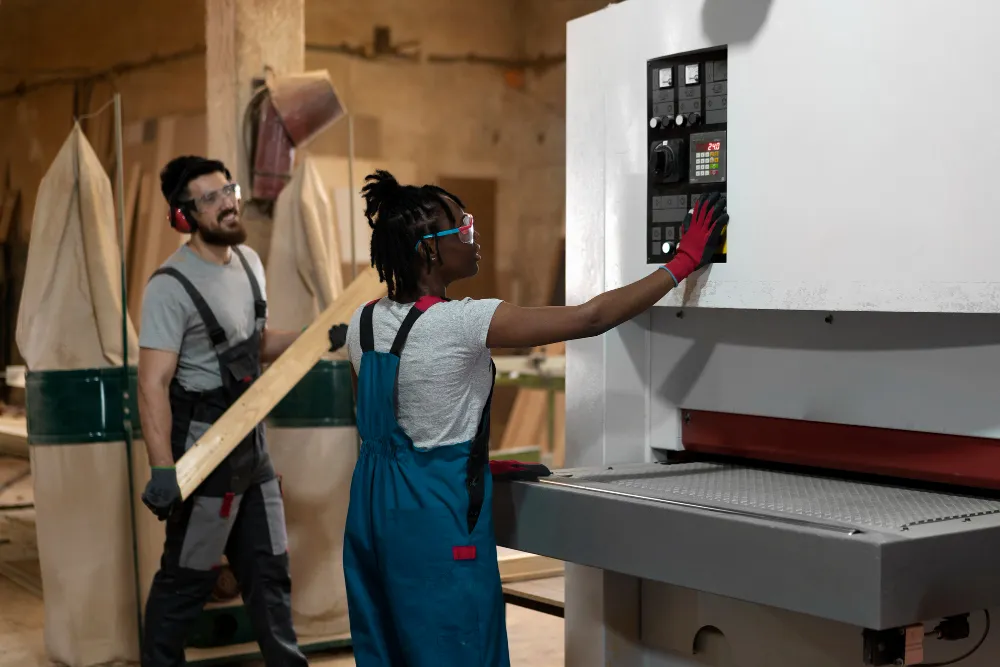
The chance of accidents is greatly increased if these steps are skipped. Equipment for personal protection (PPE). Appropriate PPE is the first line of defense against many risks. Operators must always wear the appropriate equipment for the task at hand.
eye protection. Goggles with side shields or safety glasses are a must. They shield against dust, flying wood chips, and shattered tool pieces. Ordinary eyeglasses are insufficient because they don’t provide enough side protection or impact resistance.
Hearing protection. To avoid noise-induced hearing loss, earmuffs or earplugs should always be worn, especially when operating machinery that is known to produce high decibel levels. respiratory defense. It is essential to use a dust mask, such as a N95 respirator, that is appropriate for fine wood dust. A powered air-purifying respirator (PAPR) might be required for extremely dusty operations or when cutting hazardous wood.
Hand safety. Gloves can shield hands from splinters and small abrasions, but they should never be worn when using a cutting machine. The advantages are outweighed by the risk of entanglement in rotating parts. When the machine is powered off and locked out, gloves are suitable for handling raw materials, cleaning, and maintenance. The right attire.
Long, unrestrained hair, jewelry, and loose clothing are major entanglement risks. Before beginning any work, operators should take off all jewelry, wear tight clothing, & securely tie back long hair. Machine Examination.
A comprehensive examination of the CNC machine itself can spot possible problems before they become dangerous. Electrical connections and power cords. Examine the power cord for any damage, cuts, or fraying. Make sure every electrical connection is safe & grounded correctly.
Never run a machine that has electrical parts that are damaged. functionality of an emergency stop button. To ensure that the emergency stop (E-stop) button operates immediately and effectively, test it frequently. The operator should have easy access to & visibility of the E-stop. The state of cutting tools.
Examine the cutting tool for damage, chips, cracks, and sharpness. Projectile hazards can result from poor cuts, excessive vibration, & a higher chance of breakage caused by a dull or damaged tool. Replace any damaged or worn-out tools right away. Security of Workpiece Clamping.
Make sure the workpiece is clamped to the machine bed firmly and securely. During carving, any movement of the workpiece could result in erroneous cuts, broken tools, or even the workpiece being thrown out of the machine. Make use of clamping techniques that are suitable for the material and design. System of Dust Collection. Make sure the dust collection system is operational, correctly connected, and unobstructed.
Maintaining air quality & lowering fire risks require an effective dust collector. Clear the workspace. Ensure the area around the CNC machine is clear of obstacles, clutter, & trip hazards. Unrestricted mobility and easy access to emergency controls are made possible by a clear workspace.
Unsafe operating practices can still result in accidents even with a machine that has been thoroughly inspected & the proper PPE. To ensure safety during the carving process, these rules must be followed. An operating machine should never be left unsupervised.
Despite being automated, CNC machines are still intricate pieces of machinery that may encounter unforeseen problems. When an operator is vigilant, they can react promptly to emergency situations, material shifting, & tool breakage. An incident is inevitable when a machine is left unattended.
Keep a safe distance from others. When operating the machine, keep a safe distance from its moving parts. When the machine is operating, do not reach inside the work envelope. Make sure the machine is turned off and locked out before performing any necessary intervention, such as clearing a jam or adjusting a clamp.
Recognize machine limits and G-Code. Learn about the G-code being used as well as the machine’s and the cutting tool’s operational limitations. Unexpected machine movements, collisions, or undue stress on the tool & machine can result from incorrect G-code. The risk of malfunction and breakage increases when a machine or tool is pushed beyond its limits. gradual feed rates & cut depths.
When using a new material or tool, start with cautious feed rates and depths of cut. Excessive tool wear, breakage, & vibration can result from aggressive parameters, endangering the machine’s and the workpiece’s integrity. As confidence and comprehension of the behavior of the material increase, gradually increase the parameters. Correct Workpiece Configuration and Tool Path Creation.
While poorly generated tool paths can result in ineffective cutting, tool overload, or hazardous rapid movements, incorrect workpiece setup can cause collisions with clamps or the machine bed. To find possible problems before actual carving starts, double-check all setup parameters and, if feasible, simulate tool paths. Make sensible use of the Hold/Pause feature.
For checking progress, clearing chips, or making small adjustments, the hold or pause function is useful. It’s important to realize that during a pause, the spindle might still be spinning quickly. Even when paused, keep your hands away from the cutting tool and the workpiece. Make sure the spindle has completely stopped & completely stop the machine before performing any hands-on intervention. There is more to safety than just active carving. Maintaining a safe working environment, preventing future hazards, and extending the machine’s life all depend on proper cleanup and routine maintenance.
Before doing any maintenance or cleaning, turn off the electricity. Always disconnect the machine from its power source before doing any maintenance, cleaning, or tool changes. If necessary, then follow lockout/tagout procedures.
This guards against electrical hazards during hands-on work and stops unintentional startup. Complete removal of dust & chips. Eliminate all wood chips and dust from the gantry, machine bed, & surrounding areas.
With the proper PPE (eye and respiratory protection), use a vacuum cleaner made especially for wood dust or compressed air. Sharp pieces can cut you, so avoid clearing chips with your bare hands. Dust and chip accumulations can disrupt machine operation and present a fire risk. Examine & sanitize cutting instruments. Check the cutting tool for wear, damage, and chip accumulation after use.
Clean the tool to get rid of any debris or resin that could impair performance or lead to early wear. Cutting tools should be stored properly in protective cases to avoid damage and maintain their safety and sharpness. Inspection of moving parts and lubrication. For suggested lubrication schedules and points, consult the machine’s manual.
Frequent lubrication minimizes wear and guarantees smooth operation of moving parts. Check lead screws, rails, and bearings for damage or excessive wear while lubricating, and take quick action if necessary. Machine alignment and calibration on a regular basis. Machine parts may become misaligned over time, impairing carving accuracy & possibly putting the machine under stress. For optimal performance and safety, adhere to the manufacturer’s instructions for routine calibration & alignment checks.
Arrange and store supplies and equipment. A safe workplace is one that is neat. Cutting tools, accessories, and raw materials should be arranged and kept in specific locations. This lessens the temptation to rush or take short cuts by preventing clutter, tripping hazards, and making things easier to find.
Accidents can occur even with the strictest safety precautions. Being prepared for emergencies can significantly reduce their severity and impact. Recognize the location of the Emergency Stop (E-Stop). The location of the emergency stop button or buttons must be instinctively known to every operator, & they must be able to press them without hesitation. The E-stop instantly cuts off the machine’s motors’ power, stopping all motion.
Access to fire extinguishers. A suitable fire extinguisher (Class A for wood fires) should be kept close at hand, and operators should receive training on how to use it properly. Electrical fires are also a possibility, and wood dust is extremely flammable. First aid kits are available. The workshop should have a fully supplied first aid kit on hand.
Operators should be aware of the kit’s location & know how to treat common workshop injuries like cuts, splinters, and minor burns. Emergency contacts & the evacuation plan. In the event of a significant incident, such as a fire, establish a clear evacuation plan for larger workshops or commercial settings. Make certain that all operators are aware of the emergency contact numbers for local emergency services and pertinent individuals. Close calls and incident reports.
Promote the reporting of all incidents, including “close calls” & near misses, regardless of how small. By examining these incidents, it is possible to identify underlying safety flaws & help avert more catastrophic mishaps in the future. It is essential to foster an environment where safety is openly discussed.
To sum up, CNC wood carving opens up amazing opportunities for precise manufacturing & artistic expression. But this authority necessitates a steadfast dedication to safety. Operators can greatly reduce risks by fully comprehending the risks involved, carefully adhering to a pre-operation checklist, following safe operating procedures, making a commitment to post-operation maintenance, and being ready for emergencies. In the intriguing field of CNC wood carving, putting safety first not only protects the individual but also guarantees the longevity of equipment and the successful, uninterrupted pursuit of passion or career.
.
– Always wear appropriate personal protective equipment, such as safety glasses and hearing protection.
– Ensure the work area is well-ventilated to prevent the buildup of wood dust.
– Keep hands and loose clothing away from the cutting area of the machine.
– Regularly inspect and maintain the CNC machine to ensure it is in safe working condition.
– Follow all manufacturer’s guidelines and recommendations for safe operation.
– Properly secure the workpiece to the machine bed to prevent it from shifting during carving.
– Use clamps or other holding devices to keep hands and fingers away from the cutting area.
– Avoid distractions and stay focused on the machine and the carving process.
– Never leave the machine unattended while it is in operation.
– Familiarize yourself with emergency stop procedures in case of a malfunction or accident.
– Stop the machine immediately if you notice any unusual sounds, vibrations, or movements.
– Follow the manufacturer’s troubleshooting guidelines to identify and address the issue.
– If necessary, seek assistance from a qualified technician to inspect and repair the machine.
– Do not attempt to continue using the machine if it is not operating properly.
– Document any issues or malfunctions for future reference and maintenance.
– Use a dust collection system or vacuum attachment to capture wood dust at the source.
– Wear a respirator or dust mask to protect against inhaling wood particles.
– Clean the work area regularly to remove accumulated wood dust.
– Consider using low-dust or dust-free wood carving techniques and materials.
– Follow proper disposal procedures for wood dust and waste to prevent environmental contamination.
– Always read and follow the manufacturer’s instructions and safety guidelines.
– Conduct regular safety training for anyone operating or working near the CNC machine.
– Keep the work area organized and free of clutter to prevent tripping hazards.
– Use sharp and properly maintained cutting tools to ensure clean and efficient carving.
– Stay informed about any updates or recalls related to the CNC machine or its components.



 English English
 العربية
 Bahasa Indonesia
 ไทย
ไทย Deutsch
 Русский
 Español
 Nederlands
 Italiano
 Tiếng Việt
 Português do Brasil
 Français
 Dansk
Dansk Xhosa
Xhosa 日本語
日本語 香港中文
香港中文
