
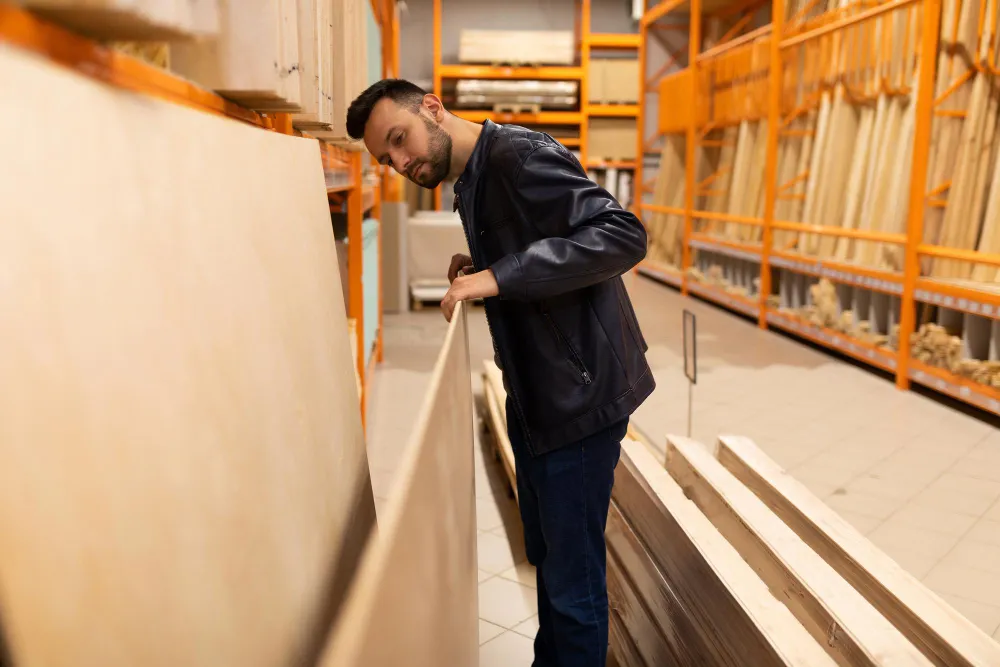
Selecting the ideal wood for CNC carving requires careful evaluation of the wood’s characteristics and how the CNC process interacts with them. Clean cuts, detailed details, & a long-lasting finished product are the objectives. Grain structure, hardness, density, and stability are important considerations, and knowing these aspects will help both professionals & enthusiasts choose the best material for their projects. The main elements of choosing wood for CNC carving will be covered in this article, along with information on popular options & their suitability for different uses. A CNC carving project’s success is largely dependent on the wood’s inherent qualities.
In terms of machinability, detail retention, & general aesthetics, not all woods are made equal. The first step to making an informed choice is to fully comprehend these characteristics. Wood Density and Hardness.
The Janka hardness scale, which is frequently used to measure hardness, shows how resistant a wood is to wear and denting. A moderate hardness is typically ideal for CNC carving. Advantages & disadvantages of softwoods. In general, softwoods like pine and cedar are less dense & simpler to cut. Because of this, they are a good option for novices and projects where production speed is crucial.
However, when carving, their lower density may cause fuzziness or tear-out, particularly with fine details. simplicity in machining. Because of their low density, the CNC machine’s spindle and bits experience less strain, which extends tool life and speeds up cutting. Resolution of Details. Softwoods are easier to cut, but because of their propensity to splinter, they may not be able to hold very fine details.
بالتأكيد، إليك الجملة مع الرابط القابل للنقر:
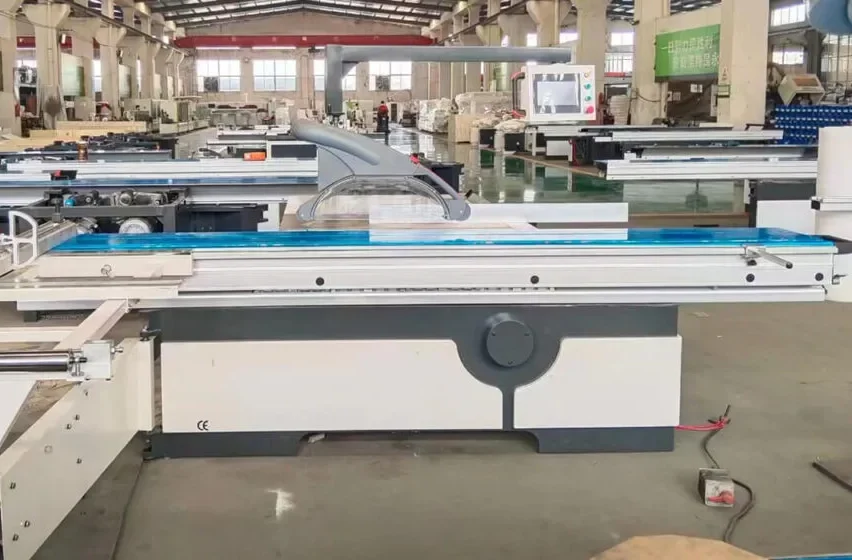
I am interested in learning more about Carving wood CNC machines, you can find them at هنا.
Economy of cost. Softwoods are generally less expensive than hardwoods, which makes them a desirable choice for experimentation & learning. problems with grains. Certain softwoods have interlocked or uneven grain, which can result in unpredictable tear-out & necessitate careful bit selection and cutting techniques.
Strength and Machinability in Hardwoods: A Balance. Compared to softwoods, hardwoods like oak, maple, & walnut are harder and denser. This results in a final product that is more durable & retains details better.
But they also need more robust, sharper tools and more potent CNC machines. exceptional retention of details. Hardwoods are perfect for intricate designs and decorative pieces because of their density, which makes it possible to carve much sharper and more precise details. longevity & robustness.
Hardwood carvings are typically more resilient to deterioration, which makes them appropriate for practical objects or pieces meant for high-traffic areas. wear on tools. Because hardwoods are harder, cutting them will cause CNC bits to wear down more quickly. Frequent upkeep and high-quality equipment are crucial.
Machine needs. Hardwoods put more strain on the spindle & motors of the CNC machine, necessitating a more robust & powerful machine for effective operation. The structure and stability of grains. The way wood carves is greatly influenced by its grain structure, or the arrangement of its fibers.
Another crucial component is stability, or the ability to resist warping and cracking, particularly for projects that are subject to environmental changes. Direct vs. interlocking grains. Straight, uniform-grained wood is typically less likely to tear out and easier to carve. Cutting conditions can be difficult when grain interlocks. The benefits of straight grain.
Straight-grained woods have fewer surface imperfections and cleaner surfaces because bits can pass through them smoothly. Grain Interlocking Challenges. Bits may unexpectedly lift or gouge the wood due to interlocking grain, resulting in rough finishes and a higher chance of breakage. Stability and Motion of Wood. When humidity levels fluctuate, wood expands and contracts.
After being carved, stable woods are less prone to twisting, warping, or splitting. Kiln-dried versus. dried by air.
Although proper air-drying can also produce stable material, kiln-dried lumber is subjected to a controlled drying process that can stabilize the wood more effectively. Proper storage is crucial. For wood to remain stable, it must be stored in a climate-controlled space away from excessive moisture and sunlight. Wood seasoning. To avoid movement problems in the future, it is crucial to make sure the wood has been properly seasoned (dried to an appropriate moisture content).
Although a variety of wood species can be used for CNC carving, some have gained popularity among artisans because of their availability, machinability, and visual appeal. Choosing the appropriate wood for a particular project will be made easier if you are aware of the subtle differences between these well-liked options. Oak: A timeless material for durability and detail. Oak, especially white and red oak, is essential for intricate CNC carving.
It is a versatile & aesthetically pleasing option due to its prominent grain pattern and natural strength. Characteristics of Red Oak. The open pore structure and reddish undertones of red oak are well-known. Although its porous nature occasionally necessitates filling for a perfectly smooth finish, it carves fairly well. appearance of grain.
Red oak’s open, slightly coarse grain gives carved pieces a rustic charm. Properties of Machining. Red oak is more difficult than pine, but most CNC routers can handle it if the right tools are used. Concluding Remarks. Filling and sanding are frequently required to create a smooth surface because of its open pores, especially for high-gloss finishes. Advantages of White Oak.
Red oak is less moisture-resistant and less dense than white oak. It is great for complex work because of its finer grain and more consistent appearance. Water resistance and robustness. White oak is ideal for outdoor projects or objects that may come into contact with moisture due to its inherent resistance to water and decay.
Detail with a fine grain. White oak’s tighter, more uniform grain makes for incredibly precise & intricate carvings. greater price. Because white oak has better qualities than red oak, it is typically more expensive.
Walnut: Excellent machinability & rich color. Because of its rich, dark color & exceptional workability, walnut—especially black walnut—is highly valued. It carves with amazing ease, creating smooth surfaces and crisp lines.
The Allure of Black Walnut. Lighter sapwood contrasts beautifully with dark brown to purplish hues in black walnut. Its straight, fine grain makes carving it a pleasure. Richness of Beauty.
Any carved piece has an instant sense of quality & elegance thanks to the rich, deep color of walnut. Carving ease. Walnut is renowned for its exceptional machinability; even with intricate designs, it cuts cleanly and with little tear-out.
Natural Finishes & Oils. Walnut’s natural oils add to its stability & occasionally have an impact on specific finishes, necessitating trial & error. Cost-related factors. Compared to common hardwoods like oak, walnut is usually more expensive because it is a premium wood. Maple: Smooth finishes and fine details require hardness.
Maple, especially hard maple, is a hard, dense wood that is excellent at retaining incredibly fine details. It is an excellent option for complex carvings and designs that need a polished appearance because of its smooth surface and uniform grain. Hard Maple’s Advantage. One of the toughest domestic woods is hard maple, sometimes referred to as sugar maple.
Extremely sharp and crisp details are made possible by this density. Superior Density for Accuracy. Hard maple’s high density enables CNC bits to make extremely accurate and fine cuts for complex designs. Smooth Surface Coating.
When carved, maple’s fine, consistent grain produces a very smooth surface that frequently requires little sanding. Tooling needs. Because maple is so hard, carving it requires precise, high-quality carbide or PCD tools. The sensitivity to moisture. Maple is stable, but because of its absorptive qualities, it is susceptible to large variations in moisture, which could cause movement.
Cherry: Moderately machinable and with warm tones. The warm, reddish-brown hue of cherry wood, which deepens with age, is highly prized. It is a popular material for ornamental carvings because it provides a good balance between hardness and workability. The beauty of cherries.
Cherry wood is a visually appealing material for CNC carving due to its inherent beauty and propensity to acquire a rich patina over time. Color conversion. When cherry wood is exposed to light, it darkens and mellows, eventually taking on a deeper, more complex hue.
Moderate Carving Hardness. Cherry is not as difficult to machine as some other hardwoods, but it is still reasonably hard & provides good detail retention. Consistent Grain. It is predictable & reasonably simple to carve due to its fine, typically straight grain.
prone to scratches. Cherry can be more prone to denting & scratching than harder woods, necessitating cautious handling both during & after carving. Beyond the common species, a variety of exotic woods offer distinctive hues, grain patterns, and characteristics that can raise the artistic bar for CNC-carved projects. These woods, however, are frequently more expensive and can pose particular machining difficulties. Padauk: Dense qualities and brilliant color.
Padauk is renowned for its remarkably vivid reddish-orange hue, which gradually turns into a deep crimson or brown. Although its dust can cause allergies, this dense hardwood is great for intricate work. Padauk’s striking beauty.
Padauk stands out due to its vibrant color, which gives carved pieces a distinctive visual component. dense and steady. Padauk’s density makes it stable and enables precise, intricate carvings. The difficulties of machining. Padauk is dense, but it can be brittle; to prevent chipping, careful feed rates and bit selection are needed.
Dust allergies. Padauk dust can be allergic & irritating, so personal protective equipment and adequate ventilation are necessary. Purpleheart: Vibrant & unpredictable. Purpleheart is well known for its rich, vivid purple color that gets brighter when exposed to light.
It can be difficult to machine because it is a very hard and dense wood, but once the correct parameters are found, it carves incredibly well. Purpleheart’s allure. Purpleheart’s most distinctive feature is its gorgeous, deep purple hue, which makes it perfect for visually striking designs.
extraordinary hardness and density. Because of Purpleheart’s high density, sturdy equipment and precise tools are needed. Over time, colors change.
With time & exposure to light, the purple hue will deepen and occasionally change to a darker brownish-purple. Tear-out potential. Even though Purpleheart is hard, if it is not cut properly, it may occasionally show tear-out. Bocote: Beautiful Patterns of Grain. The exotic hardwood bocote is distinguished by its exquisite, distinctive grain patterns, which frequently include swirls and eyes.
It provides a visually arresting canvas for CNC projects & is a moderately hard wood that carves well. distinctive grain and burls. Artists and woodworkers are drawn to Bocote’s figured grain because of its eye-catching contrast and swirling patterns. Quite simple to machine.
Bocote carves fairly well in comparison to some other exotics, providing a nice mix of workability and beauty. sturdiness & stability. It is a sturdy wood that is less likely to warp and retains its shape well after carving.
Cost and accessibility. Bocote is typically more expensive and more difficult to find than domestic hardwoods because it is an exotic wood. The performance of the wood in the context of a specific project is just as important as the wood itself. The intended use of the project, the desired finish, & the CNC machine’s capabilities are all relevant factors.
Functional versus. ornamental sculptures. While decorative pieces may place more emphasis on aesthetics & fine detail than extreme durability, functional items, such as bowls or furniture parts, require woods that are strong and wear-resistant. Wear resistance & durability.
Wood that is resistant to impacts and frequent use is crucial for functional carvings. Hardwoods like walnut, oak, and maple are great options. resistance to scratching and denting.
A good measure of a wood’s ability to withstand normal wear and tear is its Janka hardness rating. Sturdiness and Structure. Wood with good bending strength and resistance to breaking may be needed for certain functional items. Detail and Visual Appeal. Even though they are less durable, decorative carvings may favor woods with distinctive hues, grain patterns, or the capacity to retain incredibly fine details. Fine Grain for Complexity.
For capturing complex patterns and subtle textures, wood like maple, cherry, and some exotics are perfect. Grain and color as design components. In decorative carvings, the inherent beauty of woods such as walnut, bocote, or padauk can serve as the main design element. Finishing methods & compatibility with wood.
The choice of wood may depend on the intended finishing method. Certain wood qualities may be highlighted or obscured by different finishes, and some woods respond better to finishes than others. Staining and sealing. Stains can significantly change the color of wood, but it’s important to know how the stain will interact with the natural color and grain of the wood. Porous woods might need to be pre-treated.
Both color uniformity and grain penetration. It can be difficult to achieve a uniform stain on wood with highly varied or open grain structures. Wood spots. Certain woods, such as some oaks, require special methods or wood conditioners because they are prone to blotching when stained. Oil Coatings vs. laquers.
While lacquers produce a protective layer on the surface, oil finishes penetrate the wood and enhance its natural color & grain. augmenting the beauty of nature. Oil finishes that accentuate the natural richness of woods like walnut and cherry are often advantageous. coatings for protection.
For functional items or pieces exposed to the weather, lacquers and polyurethanes offer a strong, protective surface. CNC machine tools and capabilities. The CNC machine’s strength, accuracy, and cutting tool quality are crucial. Denser woods can be handled by a stronger machine, and clean cuts in any material require high-quality bits.
Torque and Spindle Power. To effectively cut denser and harder woods while lowering the chance of stalling or burning, a spindle with more power is required. Cutting Depth and Speed. Carving efficiency is directly impacted by the machine’s power, which also affects the maximum cutting speeds and depth of cut per pass. Bit Choice and Content.
For most wood carvings, carbide bits are the norm; however, for very hard woods, PCD (polycrystalline diamond) bits may be taken into consideration for longer durability and sharpness. Tool wear and upkeep. Tool wear is directly impacted by the wood’s hardness and abrasiveness. Maintaining cut quality requires routine bit replacement, sharpening, & inspection.
avoiding chip-out & burning. Poor surface finish is frequently the result of burning and chip-out caused by dull bits. prolonging the life of the tool. The lifespan of CNC bits can be increased with the right feed rates, spindle speeds, & cooling (if applicable).
In the end, the “best” wood for CNC carving is arbitrary & contingent upon the particular needs of the project as well as the experience of the carver. To find your preferences and understand how different woods react to the CNC’s cutting action, don’t be afraid to try out different species. Test cuts’ significance.
It is always advisable to make test cuts on a scrap piece of the selected wood before committing to a major project. This enables the cutting tool’s paths, speeds, and depths to be adjusted. Feed rate & spindle speed optimization. Finding the ideal balance between cutting efficiency & surface quality for a particular wood and bit combination requires test cuts. Tear-out and burning are reduced.
One can modify parameters to reduce unwanted marks like tear-out or burning by looking at test cut results. Bit performance evaluation. Also, test cuts offer important information about how a specific cutting bit works on various types of wood, which aids in selecting the most appropriate tools for the task. Little projects and sample packs.
Before taking on large-scale carvings, think about buying small sample packs of different wood species or working on smaller, less important projects to gain experience. Investigating Various Wood Colors & Grains. Working with a range of woods enables a practical comprehension of their distinctive carving qualities, colors, and textures. Getting a Feel for Various Woods. A CNC carver gains an intuitive grasp of how various woods react to cutting forces through practice, producing more reliable and effective results.
recording your findings. Keep track of the types of wood used, the CNC settings, the tools used, and the outcomes attained. This documentation will be a useful resource for projects in the future. Building a Database for Wood. For reference and problem-solving, a personal database of wood properties, machining parameters, and finishing outcomes can be quite helpful.
Knowledge sharing and learning from others. Within the CNC carving community, exchanging experiences and discoveries can promote group learning and assist others in avoiding typical pitfalls. To sum up, choosing the ideal wood for CNC carving is a complex choice. CNC enthusiasts can make well-informed decisions that result in successful and beautiful outcomes by learning about the characteristics of wood, investigating both common and uncommon species, and taking project-specific requirements into account. To fully realize wood’s potential as a medium for digital fabrication, this selection process will be further refined by embracing experimentation and ongoing learning.
.
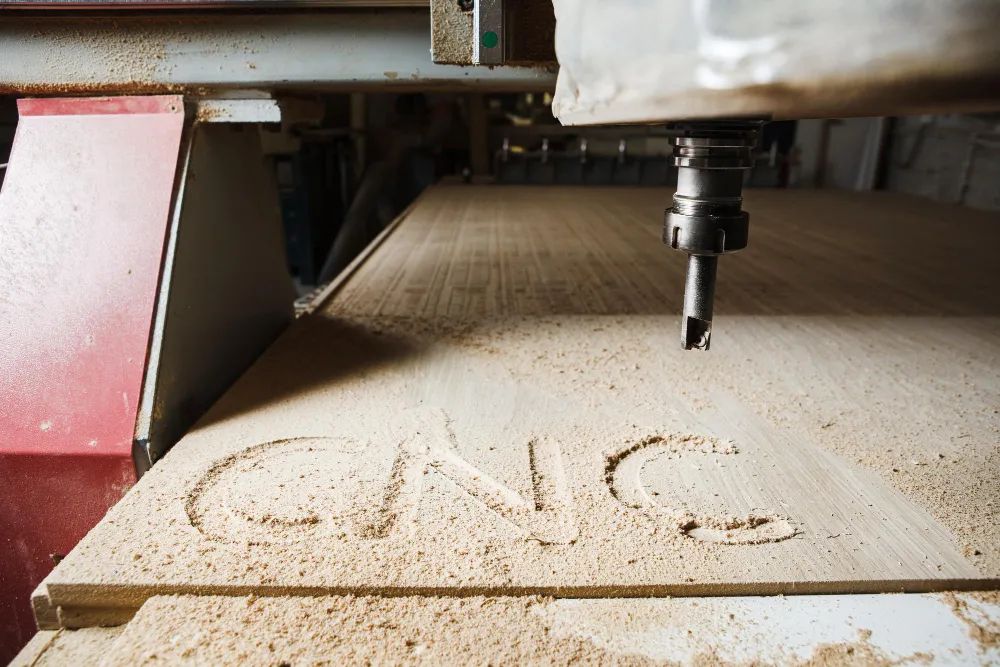
There are several types of wood that are suitable for CNC carving, including hardwoods such as maple, cherry, oak, and walnut, as well as softwoods like pine and cedar.
When choosing wood for CNC carving, factors such as hardness, grain pattern, and density should be considered. Hardwoods are generally more durable and have a finer grain pattern, while softwoods are easier to carve but may have a more pronounced grain.
While many types of wood can be used for CNC carving, some may be more challenging to work with due to their hardness, density, or grain pattern. It’s important to consider the specific requirements of the carving project when selecting wood.
Hardwoods are often preferred for CNC carving due to their durability, fine grain pattern, and ability to hold intricate details. They also tend to have a more polished and professional appearance when carved.
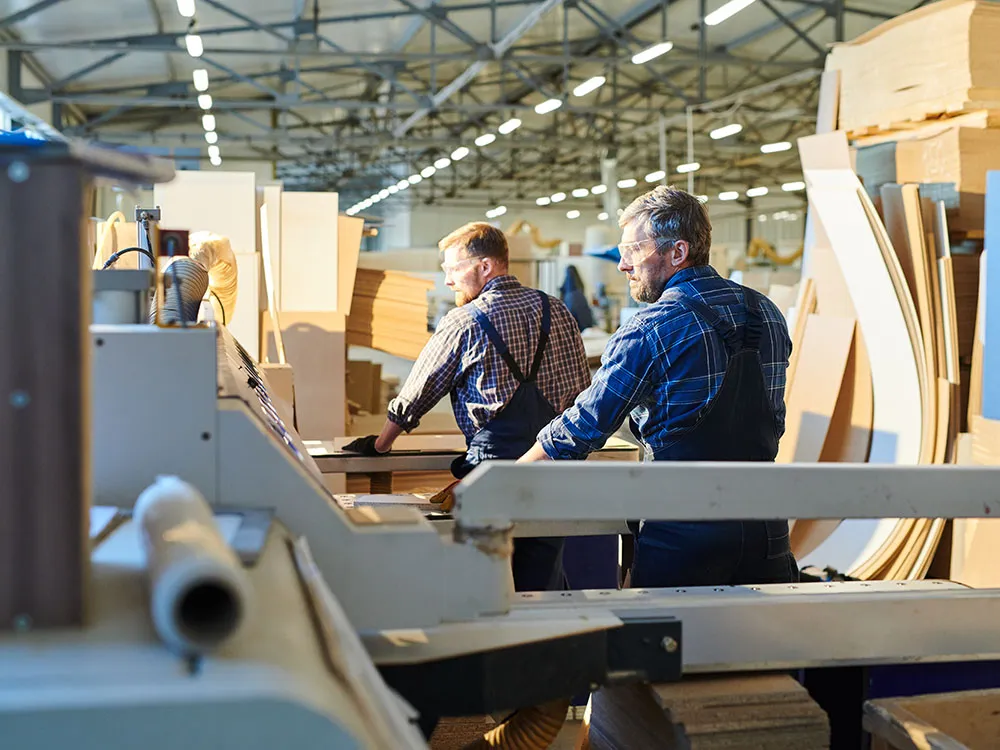
While most types of wood can be used for CNC carving, some extremely soft or brittle woods may not hold up well to the carving process. It’s important to consider the specific requirements of the project and choose a wood that is suitable for the intended design and use.

 English English
 العربية
 Bahasa Indonesia
 ไทย
ไทย Deutsch
 Русский
 Español
 Nederlands
 Italiano
 Tiếng Việt
 Português do Brasil
 Français
 Dansk
Dansk Xhosa
Xhosa 日本語
日本語 香港中文
香港中文
