
You’re taking up woodworking? That’s great! It’s a fulfilling hobby that can result in some truly fulfilling creations. “What tools do I really need?” is a common question when you’re first starting out because it’s simple to become overwhelmed by all the fancy machines and shiny devices. The good news is that you can begin without a professional workshop’s worth of equipment. A few essential, adaptable tools can help you lay a strong foundation.
Let’s dissect the fundamentals so that you can start creating things without breaking the bank or your heart on your initial projects. We’ll concentrate on making wise decisions that will benefit you as you develop. Knowing what you’re doing and where you’re doing it is essential before you cut or shape anything. Good woodworking is built on precise marking and measuring.
If you make a mistake, your precisely cut piece may not fit where you intended. Measurement Instruments: Accuracy. You’ll be reaching for these all the time.
You will avoid frustration later on if you invest in good quality here. A trustworthy tape measure. Although it may seem apparent, having a reliable tape measure is essential. Choose one with a clear, easy-to-read scale and a reasonable length (16 or 25 feet is standard and very useful). Both the locking mechanism and the hook at the end should be strong.
Natuurlijk, hier is de zin met de klikbare link:
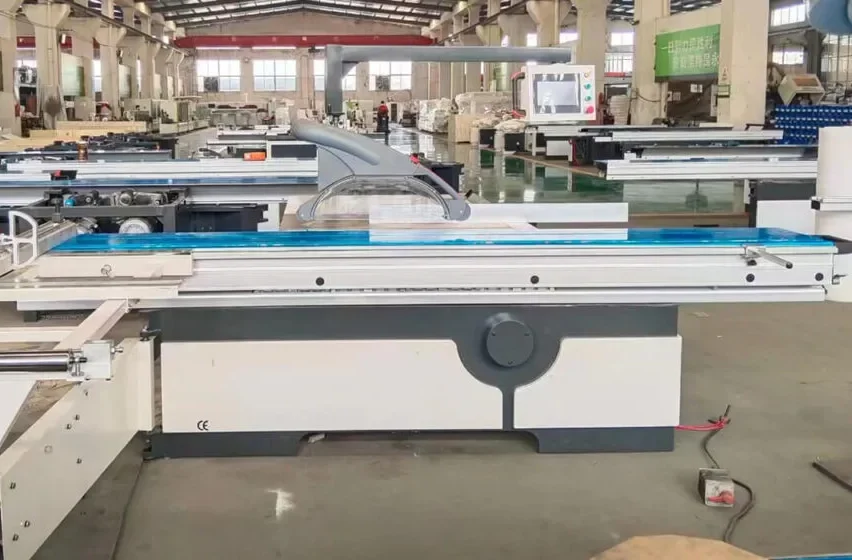
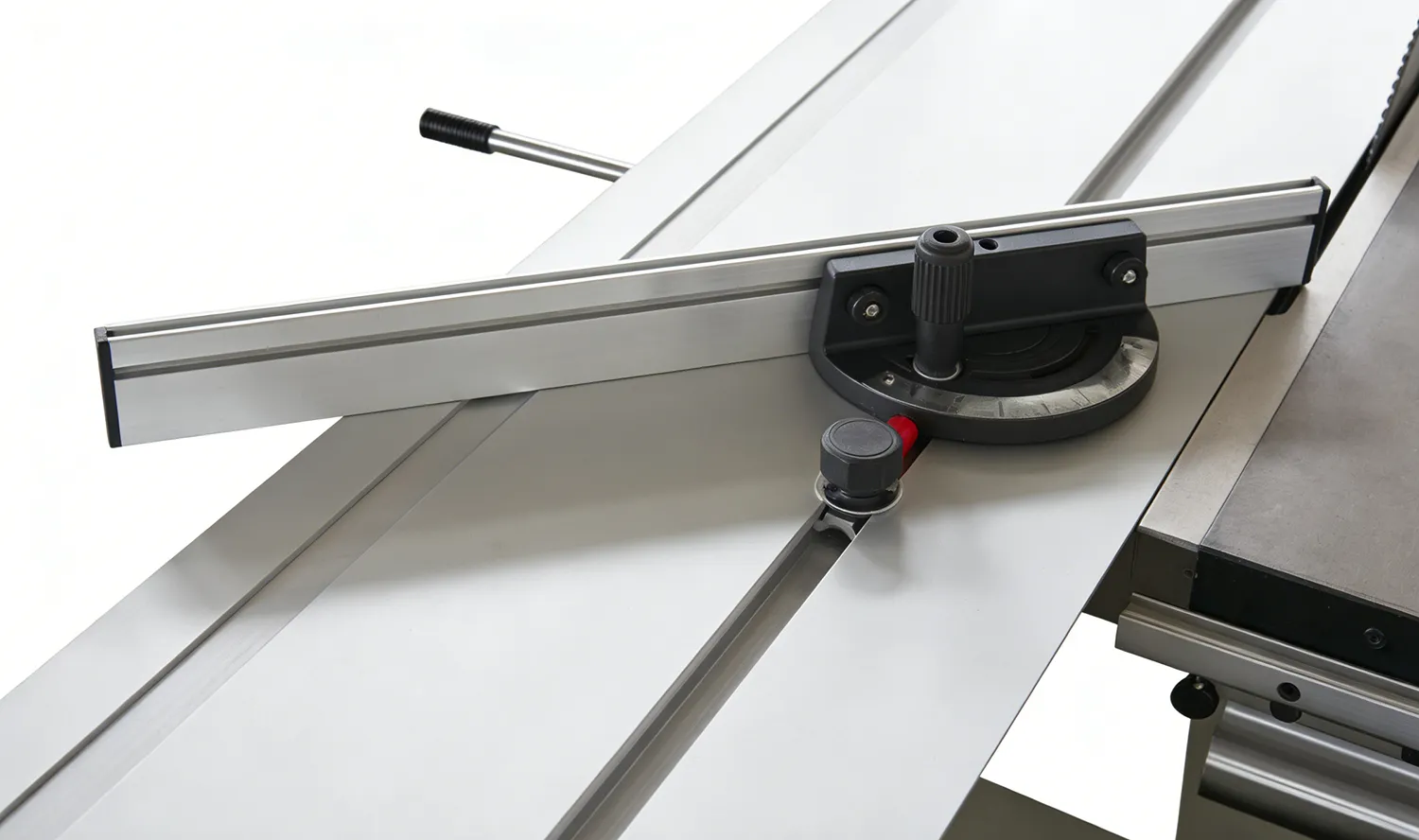
I am interested in purchasing a sliding table saw table for my woodworking projects, you can find more hier.
It is enjoyable to use a tape measure that retracts smoothly & doesn’t snag; one that doesn’t can be dangerous. Make sure your measurements are accurate at all times, especially when making important cuts. As they say, it’s preferable to measure twice & cut once. A Superior Combination sq.. One of those tools that performs better than expected is this one. A 90-degree angle head, a 45-degree angle head, and a ruler are usually included with a combination square.
It can be used to quickly mark a 45-degree angle for miters, mark straight lines perpendicular to an edge, or verify that a joint is square. Compared to attempting freehand with a standard ruler, it is far more precise and adaptable. Choose one with a clear scale and a metal body; plastic ones are less accurate and can flex.
A solid feel in your hand is a reliable sign. Marking Tools: Making Your Mark. You must precisely transfer your measurements onto the wood after you’ve taken them. A pencil that is sharp.
Indeed, a pencil. But this isn’t just any pencil. The flat lead of a carpenter’s pencil makes it less likely to roll away & allows for the creation of wider, more noticeable lines. However, a regular number two pencil or even a mechanical pencil with a sharp lead can work well for finer work. Having a sharp point is essential for creating thin, precise lines.
When cutting, a thin line results in greater accuracy. An instrument for marking. A marking knife is the next step up for accuracy after you have a measuring and marking tool. This tiny, sharp knife was made especially for scoring wood.
It can be used to draw a very thin line that serves as a saw or chisel guide. When doing joinery, this is especially helpful because the knife cut will help avoid tear-out when you saw a precise line or chisel in a waste area. Although it’s a basic tool, its accuracy is revolutionary.
Here’s where the magic begins—turning raw lumber into pieces that can be used. A fancy miter saw or a professional table saw are not immediately necessary. You will benefit from a few essential power tools and some great hand tools.
Hand Saws: Conventional Method. There’s a reason why hand saws are so timeless. They make you slow down and consider your cuts, are silent, and don’t need electricity.
A Good Crosscut Handsaw. The best tool for general woodworking is a crosscut saw. Cutting through the wood’s grain is the purpose of this saw. Choose a saw with a comfortable handle and a decent number of teeth per inch (TPI); 8 to 10 TPI is a good range for general use.
A well-sharpened handsaw will teach you excellent technique & produce fairly clean cuts. Here, patience is essential because you’re letting the saw do the work rather than trying to push through the wood. A pull saw from Japan (Ryoba). Japanese pull saws are very efficient for many novices.
Japanese saws can produce a thinner kerf (the width of the cut) and require less effort than Western saws because they pull through the wood instead of pushing. One side of a “Ryoba” saw is equipped with teeth for crosscutting, while the other side is used for rip cuts, or cutting along the grain. It is an excellent choice for a beginner’s toolkit because of its versatility. They can be easily controlled for precise work and are frequently very sharp.
Power Saws: Speed and Efficiency. A few power tools can make all the difference when you’re ready to accelerate a little. A Jigsaw: Adaptable for both straight and curved cuts. A jigsaw is a very useful tool.
It works well for cutting curves, internal cuts (by drilling a starter hole), & even simple straight cuts. It’s great for learning how to operate a power tool and for projects with non-straight lines, but it won’t give you the accuracy of a table saw for long, straight cuts. To have more control over various wood types and cuts, look for one with variable speed.
An optional but highly recommended tool for accuracy is a mitre saw. A good miter saw can significantly increase the accuracy of your cuts if your budget permits, particularly for projects like frames or boxes that call for exact angles. Its purpose is to quickly and precisely make crosscuts, both straight and angled. An inexpensive sliding compound miter saw can be a big improvement.
It will enable you to create bevels and cut wider boards. If you can afford it, this tool will greatly improve the caliber of your completed projects, making it a worthwhile investment. After cutting your pieces, you’ll need to smooth their edges, refine them, and frequently make joinery. This is where planes and chisels are useful.
Chisels: Control and Exactness. For cleaning up corners, cutting out joinery, and paring away wood, a quality set of chisels is essential. A Simple Wood Chisel Set. A large collection is not necessary to get started. A few standard sizes, such as a 1-inch and a 1/2-inch, will cover a lot of ground.
Seek out chisels with balanced, comfortable handles. Although edge retention depends on the quality of the steel, a good set from a reliable brand will do for novices. Maintaining chisels’ sharpness is essential to their efficient use. A chisel that is dull is dangerous and annoying.
Learning how to control these is a necessary step because you’ll be using them by hand or with a mallet. Flattening and smoothing with hand planes. To achieve a perfect fit, hand planes are used to shave away thin wood layers, flatten surfaces, and make chamfers. A Block Aircraft.
A block plane is a compact, one-handed plane with many uses. It’s ideal for fitting joints, chamfering edges, and cutting end grain. It’s an excellent resource for learning the fundamentals of planning as well. Compared to a larger bench plane, its small size makes it less daunting to begin with.
To control the amount of material it removes, look for one with an adjustable mouth. Effective operation of a block plane depends on proper sharpening. A Bench Plane (Excellent for Smoothing, but optional).
A bench plane (such as a No. 1) is useful if you’re doing any kind of work that calls for genuinely flat and smooth surfaces. 4 smoothing plane) is an excellent instrument. It provides more leverage for flattening larger areas and is larger than a block plane. Also, it works well for final smoothing prior to finishing or sanding.
Although it’s not strictly necessary for your first project, as you advance, this tool will significantly enhance the accuracy and finish of your work. A common task in woodworking is adhering components together. Holding the pieces firmly in place while the glue dries is necessary to create strong, clean glue joints. This is the role of clamps. They are also necessary for holding pieces while you work on them, so they’re not just for glueing.
Key Clamp Types. Depending on the task at hand, you will need to use a variety of clamps. Clamps for pipes or bars. These are your go-to tools for adhering lengthy components, such as carcases or tabletops. The long metal bar used in bar clamps has both a fixed and sliding jaw. Threaded pipe lengths are used in pipe clamps.
They provide strong clamping pressure over a considerable distance. Affordable kits are frequently available, or you can construct your own using threaded pipes and fittings. It’s a good idea to begin with at least two. C-clamps. These are widely available and helpful for a variety of tasks.
They offer a direct, powerful clamping force. They are useful for holding parts while you drill, attach work to your workbench, or glue small assemblies. Again, you’ll have good versatility if you have a few different sizes, like 2-inch and 4-inch. Spring fasteners.
These are not as strong, but they are very helpful when fastening smaller parts together, particularly when adhering edge banding or securing tiny parts. If applied carefully, they usually don’t leave any marks on the wood and are quick to apply & remove. They can save you a lot of trouble & are an affordable addition. You will need to get your pieces ready for their final finish after they have been cut, shaped, and adhered. This is where sanding comes in, and screws are frequently used to reinforce glued joints or join wood without glue.
Sanding a surface to make it smooth. A project can be transformed from “homemade” to “professionally finished” by sanding it. It smooths out any flaws and gets the wood ready for stain or varnish. Blocks and sandpaper.
You will require a variety of sandpaper with grit. For initial smoothing, use a medium grit (such as 100 or 120). For a smooth finish, use finer grits (180, 220). For consistent results & even pressure application, a sanding block is necessary.
You can create your own by wrapping sandpaper around a piece of scrap wood, or you can purchase special sanding blocks. An orbital sander, which is optional but saves time. An orbital sander can significantly expedite the process if you have a lot of sanding to do.
Its circular vibration aids in the rapid and effective removal of material. Although hand sanding can produce a good finish, an orbital sander can help achieve a more uniform result with less effort & save a significant amount of time for larger projects. Choose a random-orbit sander because they typically leave fewer swirl marks than less expensive, older models. Fasteners are joined by screwdrivers & driver bits.
Screws are very helpful, especially for novices, for reinforcing joints or building things like cabinets or jigs, even though traditional woodworking frequently emphasizes joinery without fasteners. A decent cordless drill and driver. Perhaps one of the most revolutionary power tools for a novice is this one. Screws can be driven into holes drilled with a cordless drill/driver.
It’s crucial for safely and swiftly putting projects together. Choose one that has adjustable torque and speed settings and a respectable battery life. To avoid stripping or overtightening screws, which can harm the wood, the torque settings are crucial. A Screwdriver Bit Set.
Since many contemporary screws use this drive type, make sure your drill/driver comes with a good selection of screwdriver bits, such as Phillips head, flathead, and Torx (star) bits. A clean and secure drive depends on having the proper bit for the screw you’re using. A sturdy workbench is essential even though it’s not a tool for shaping wood. You need a sturdy surface on which to use your tools, cut, and clamp your work.
constructing or purchasing a simple workbench. A fancy, pricey workbench is not necessary to begin. A robust table with a thick top made of solid wood will do.
Many novices construct their own with easily accessible lumber & basic plans. A level surface and stability are essential. You want to be able to work at a comfortable height. Later on, as your needs change, you can add vices and other accessories. Workbench accessories: clamps and vases.
If there isn’t an integrated vise on your workbench, you might want to add one. You can safely hold wood pieces while you plane, carve, or cut them with a woodworking vise. Also, think about installing some bench dogs or hold-fasts, which are straightforward metal levers or pins that can be used to secure materials in dog holes on your workbench. It’s crucial to get started.
Don’t hold off until you have every possible tool. Select a few projects that pique your interest and get the equipment required for them. As you develop & learn what kinds of projects you like best, you can always add to your collection. A few high-quality tools are far superior to a workshop full of inexpensive, unreliable ones, so put quality above quantity. Also, never forget to maintain and sharpen your tools.
It will make your job safer, simpler, and much more pleasurable. Cheers to building!
Some essential woodworking tools for beginners include a hammer, tape measure, hand saw, chisels, a power drill, and a combination square.
Some advanced woodworking tools for experienced woodworkers include a table saw, router, planer, jointer, bandsaw, and a wood lathe.
Safety precautions when using woodworking tools include wearing safety goggles, ear protection, and a dust mask. Additionally, it’s important to keep work areas clean and organized, and to always use tools according to their intended purpose.
Woodworking tools should be maintained by keeping them clean and free of debris, regularly sharpening blades and bits, and storing them in a dry and secure location. It’s also important to follow manufacturer’s guidelines for maintenance and care.
Woodworking tools can be purchased at hardware stores, specialty woodworking stores, and online retailers. It’s important to research and compare different brands and models to find the best tools for your specific woodworking needs.



 English English
 العربية
 Bahasa Indonesia
 ไทย
ไทย Deutsch
 Русский
 Español
 Nederlands
 Italiano
 Tiếng Việt
 Português do Brasil
 Français
 Dansk
Dansk Xhosa
Xhosa 日本語
日本語 香港中文
香港中文
