
ปฏิวัติวงการงานไม้ด้วยเครื่องตัดเลเซอร์
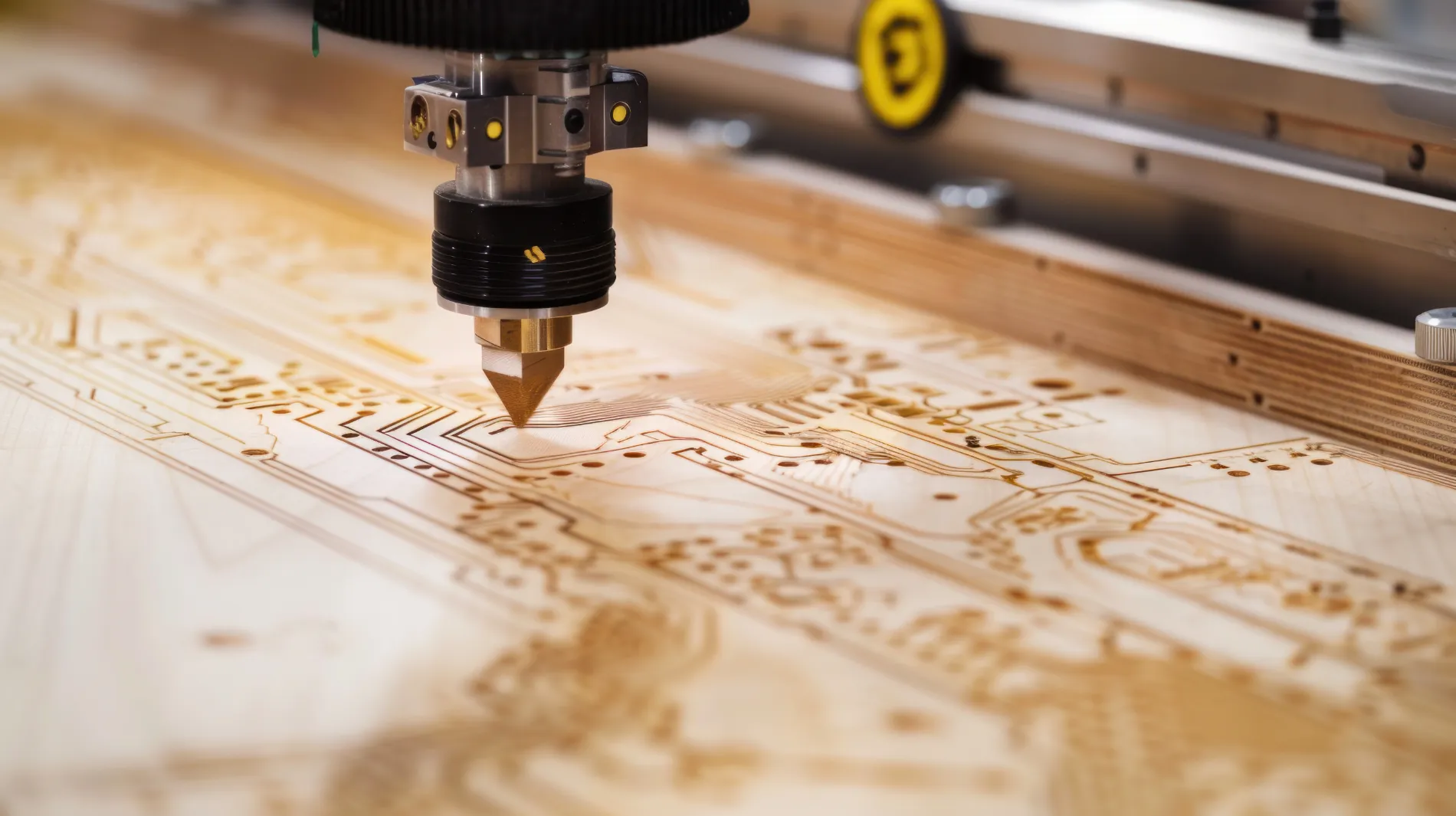
Can laser cutters truly revolutionize the woodworking industry? Indeed, they can, and they are already doing so. Cutting wood with a beam of light may seem futuristic, but it’s becoming a reality for woodworkers of all stripes, from larger shops producing custom pieces to hobbyists in their garages. It’s not about completely replacing conventional tools; rather, it’s about introducing a level of accuracy, speed, and capability that was previously just too challenging or unattainable.
Imagine cutting out dozens of identical, complex shapes with ease or creating intricate inlays that fit perfectly. In this situation, laser cutters excel. The Benefit: What Laser Cutters Offer. Now let’s get to the point.
If you’re interested in exploring the capabilities and applications of wood laser cutters further, you might find this article on “The Advantages of Using Laser Cutters for Woodworking” particularly insightful. It delves into the precision and efficiency that laser cutting technology brings to woodworking projects, making it a valuable resource for both hobbyists and professionals. You can read the article here: The Advantages of Using Laser Cutters for Woodworking.
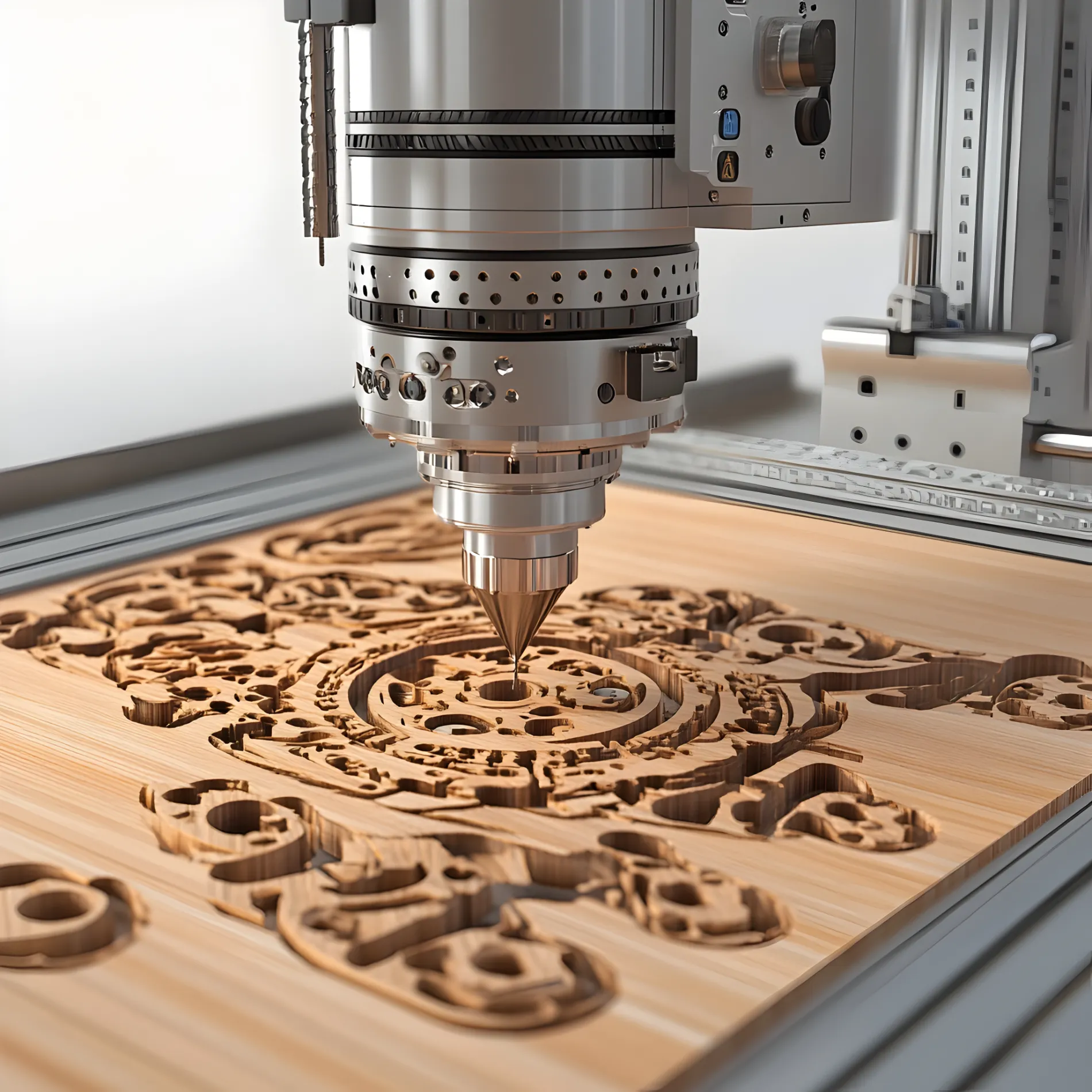
The primary attraction of laser cutters for woodworking is their speed and precision, which traditional techniques frequently find difficult to match, particularly for intricate designs. Consider this: a laser beam is extremely fine. This makes it possible to achieve extremely precise tolerances, intricate patterns, and detailed cuts that would be impossible with a saw, router, or even a CNC machine for some tasks. Using a scalpel instead of a chisel to create intricate wood elements is similar.
Accuracy Is Important. Accuracy is crucial when working with wood, particularly for projects like architectural models or cabinets. Since a laser cutter uses digital designs, what you see on your screen is essentially what you get in terms of wood.
Sure, here is the sentence with the clickable link: View Now for the latest CNC machine router for woodworking.
Time and materials are saved as a result of fewer mistakes and the need for rework. Fine Details: You can make extremely delicate designs, like intricate lattice work or fine engraving, that are just not possible with many other tools because you can achieve very small kerfs (the width of the cut). Repeatability: Once a design is set up, it can be replicated flawlessly numerous times. For companies that need to manufacture numerous identical components, this is a huge benefit. Material Efficiency: Less material is wasted as a result of the fine beam.
If you’re exploring the world of woodworking and looking for innovative tools, you might find it interesting to read about the benefits of using a wood laser cutter. This technology not only enhances precision but also allows for intricate designs that traditional methods may struggle to achieve. For a deeper understanding of how these machines work and their applications, check out this insightful article on the subject. You can find it here: wood laser cutter benefits.
This is especially important when dealing with pricey veneers or hardwoods. Really quickening the pace. We’re not merely discussing a slight increase in speed. Laser cutters can provide a notable increase in throughput for specific tasks.
When setup and finishing time are taken into account, estimates indicate a throughput increase of up to 40–50% when compared to conventional cutting techniques. Faster Cutting: A laser can easily outperform manual techniques and some CNC operations for a variety of cuts, especially complex ones. Decreased Setup: Because laser cutting is digital, setup times are frequently quicker, particularly for one-off or small-batch runs. Each piece doesn’t require you to physically set up jigs, blades, or intricate fixturing.
Certain laser cutters have integrated operations, meaning they can cut & engrave simultaneously. This results in a significant time savings because a piece can be manufactured and completed (with etched details) in a single operation. Let’s get technical: How They Operate.
Fundamentally, laser cutters use a concentrated light beam to melt or evaporate material. The most popular kind for woodworking is the CO2 laser. With the proper settings, these lasers can produce a clean cut with little to no charring, making them ideal for organic materials like wood. CO2 lasers are the Beam of Power. These are the mainstays of the majority of wood cutting applications.
How they work: A CO2 laser produces an infrared light beam using a gas mixture. After passing through a number of mirrors, a lens focuses this light onto the substance. Wood affinity: Precise cutting and intricate engraving are made possible by CO2 lasers’ excellent interaction with wood. Reducing charring: While some discoloration is inevitable when cutting wood with a laser, contemporary equipment and methods, such as employing air assistance or lower power for extended periods of time, can greatly reduce charring, resulting in cleaner edges. Beyond the Beam: The Machine.
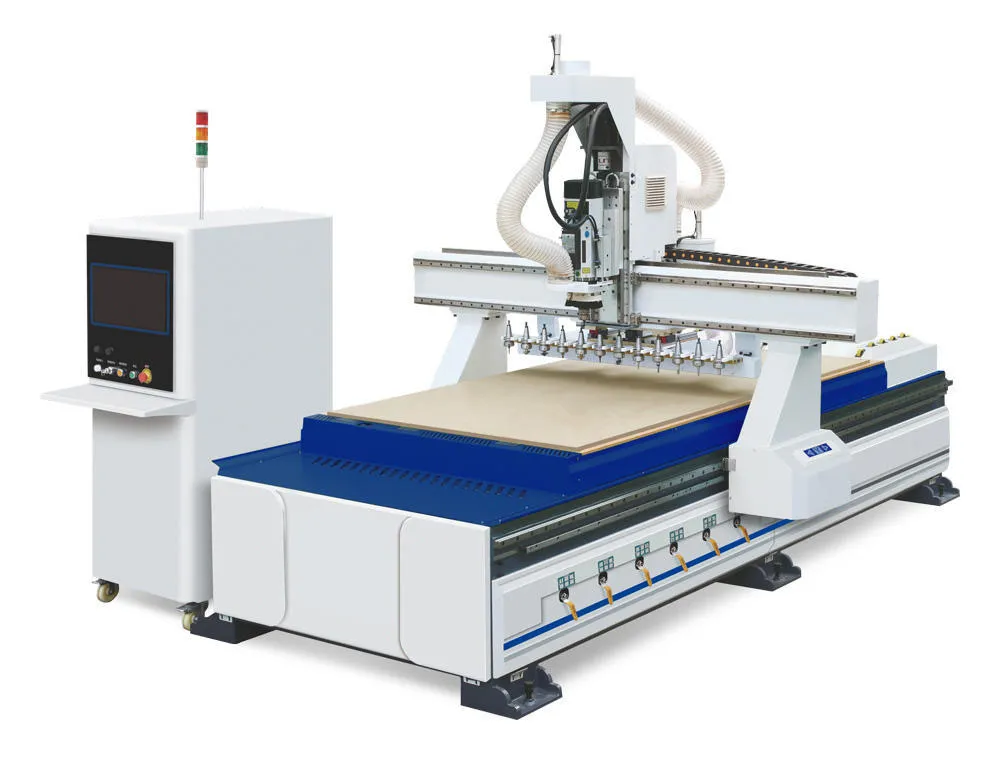
There is more to a laser cutter than simply a laser. It is a system that is intended to precisely control that beam. The robotic arms that move the laser head across the material are known as motion systems.
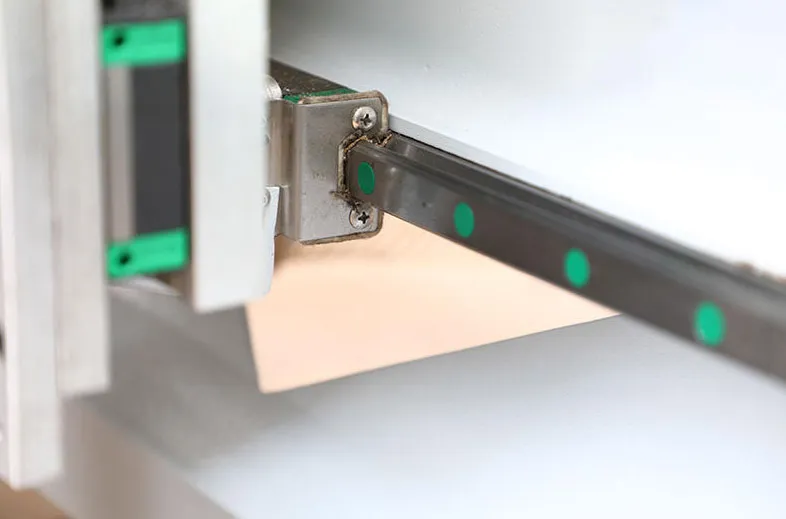
Precise parts like Mitsubishi servos and ball screws are used in high-quality machines to guarantee precise, smooth movements. Maintaining cut quality throughout the entire piece depends on this. Heat is produced by laser tubes for cooling. The longevity and performance of the laser depend on water-cooling systems.
In lengthy or demanding tasks, this prevents the laser tube from overheating. Air Assist: To further lessen charring and produce a cleaner cut, a blast of compressed air is directed at the cutting point to help blow away smoke & debris. Certain machines have air assist that can be adjusted to suit various materials & thicknesses.
Practical Choices: What to Look For. Selecting the most powerful laser cutter is not the only consideration when it comes to woodworking. You must take your budget, available space, and intended use into account. With devices made for everything from industrial workshops to desktop enthusiasts, the market is expanding. Desktop giants.
Smaller, more reasonably priced machines are a great place to start if you’re just getting started or have limited space. A good illustration of a small, easy-to-use device is the FLUX Beamo II. This 30W CO2 laser is great for engraving and cutting plywood and thinner woods, but it won’t cut through inches of solid oak.
It is surprisingly adaptable for its size, and they also provide add-ons that can assist with longer or thicker materials. Cost and Portability: Portable laser cutters are available for between $2,000 and $5,500. These are made with safety and user-friendliness in mind; they frequently have enclosed designs to keep out smoke and shield users from unintentional laser beam exposure. Larger-scale solutions. You’ll require a more substantial machine if you’re working on larger projects or higher volumes.
The Mintech MC-2500 is an example of a more powerful, industrial-grade device. High-end servo motors and ball screws are examples of features that increase accuracy and durability for difficult jobs. Larger material sizes & continuous operation are built into these machines. Pass-Through Designs: A pass-through feature is very useful when cutting large sheets of wood.
This eliminates the need for an incredibly large machine by allowing you to feed a sheet of material longer than the machine’s bed through the workspace, allowing you to cut very long pieces or entire large sheets. For these larger systems, bed sizes like 1300 x 900 mm are typical. The current state of the market. Laser cutting for wood is becoming more and more popular, and it’s not a passing trend.
Market value has been steadily rising, according to the data. This indicates that more research and development is being done on these devices, which will improve performance and make more features available at various price points. Growth Is Coming. The figures are quite informative. The market for industrial CNC wood laser cutting machines is expanding, and forecasts show that its value will rise significantly over the next ten years. In a similar vein, the market for woodworking engraving is also gradually growing.
Market Projections: The industrial CNC wood laser cutting market is expected to grow steadily but modestly, reaching over $100 million by 2034. By 2026, the global market for woodworking engraving is expected to reach billions, indicating a robust CAGR (Compound Annual Growth Rate). Demand Drivers: The growing need for custom-made goods, the need for increased manufacturing precision, and the continuous incorporation of digital technologies into conventional crafts and industries are some of the factors driving this expansion. what consumers desire.
Users’ requests are being addressed by suppliers. User-Friendly Systems: Even people without a lot of technical experience are strongly in favor of devices that are simpler to set up and run. Clear operational interfaces and user-friendly software are examples of this.
Safety First: Safety features are critical as laser cutters proliferate. Fume extraction, interlock systems, and enclosed designs are becoming more common. Support and Training: For professional users in particular, having access to quality technical support and training materials is essential to maximizing their investment and guaranteeing safe operation. Applying It: Practical Uses.
Cutting lovely patterns is not the only thing to do. With their practical benefits in efficiency & design possibilities, laser cutters are making their way into a variety of applications. More than just basic cutting. Laser cutters’ versatility allows them to do more than just cut through wood. Cabinetry: Imagine precisely replicated joinery elements or drawer fronts with intricate CNC-milled patterns.
Lasers can also be used for intricate inlays that give furniture a hint of luxury. Architectural Models: Laser cutters are essential for architects and designers creating complex models because of their capacity to produce highly detailed, scaled components. Accurate realization of intricate designs is ensured by precise cutting. Custom Signage: Laser cutters are excellent at producing crisp lettering and unique graphics, whether they are making a customized piece for a home or a detailed wood sign for a business. Engraving: This is a vast field.
Laser engraving provides a level of detail and durability that is difficult to obtain in other ways, from adding branding to wooden products to personalizing custom gifts. This holds true not only for wood but also for materials like leather and acrylic, which makes them valuable for projects involving multiple materials. Practice Efficiency Gains. The effect on workflow may be significant. Enhanced Throughput: As previously indicated, there are notable efficiency improvements.
This allows for the production of more goods in less time. Industry 4.0 Integration: Smart manufacturing systems and laser cutters can be combined for larger operations. This results in improved tracking, workflow optimization, & decreased downtime because of automated job scheduling & predictive maintenance. According to estimates, this could result in a 25% reduction in downtime.
Prototyping and Customization: Laser cutters are perfect for quick prototyping and creating unique one-off items without the exorbitant costs connected with traditional custom tooling because of the simplicity of digital design and fabrication. Best Practices and the Learning Curve. A laser cutter has a learning curve, just like any strong tool. Even though technology is making them more widely available, realizing their full potential requires knowing how to use them safely and effectively.
Getting to know the machine. Particularly when working with wood, it’s not as easy as pressing a button and leaving. Different settings are needed for different types, densities, and thicknesses of wood. Material Settings: This is the most important section. It’s crucial to find the ideal ratio of power, speed, and frequency for your particular type of wood (solid wood, MDF, or plywood).
While too little power won’t cut through, too much power or a slow speed can cause excessive charring. Air Assist and Ventilation: When cutting wood, adequate ventilation is essential. The process produces fumes and smoke, which must be safely released. Although air assistance aids in cleaning the cut path, effective fume extraction is still necessary to safeguard both the machine and your health. Focus and Alignment: To achieve clean, accurate cuts and avoid damaging the laser optics, it is essential to make sure the laser beam is correctly focused on the material surface and that the mirrors are perfectly aligned.
Accepting the Digital Workflow. When used in conjunction with digital design, a laser cutter’s true potential lies. Vector-based design programs, such as Adobe Illustrator, CorelDRAW, or Inkscape, are commonly used to produce designs.
You can define cut lines, engraving areas, & other operations with these programs. File Formats: Laser cutter software typically supports common file formats like SVG, AI, & DXF. Your workflow will be streamlined if you become familiar with these.
Prototyping and Iteration: Because it’s digital, it’s simple to change. You can quickly design, cut a prototype, check how it fits or looks, make software modifications, and cut a revised version. This process of iteration is a significant benefit. The Woodworking of the Future. Laser cutters are no longer merely a specialized instrument.
They are starting to play a crucial role in the design and construction of wood. Laser technology is at the vanguard of the growing trend toward accuracy, personalization, and efficiency. The market expansion indicates that this is more than just a new addition to the workshop—many people are starting to use it as a standard tool. We can anticipate even more cutting-edge uses & more widely available equipment as technology develops, further transforming the way woodworkers realize their concepts. It’s about broadening the possibilities, simplifying difficult tasks, and eventually enabling more creativity and accuracy in each piece of wood that is worked. .

 English English
 العربية
 Bahasa Indonesia
 ไทย
ไทย Deutsch
 Русский
 Español
 Nederlands
 Italiano
 Tiếng Việt
 Português do Brasil
 Français
 Dansk
Dansk Xhosa
Xhosa 日本語
日本語 香港中文
香港中文