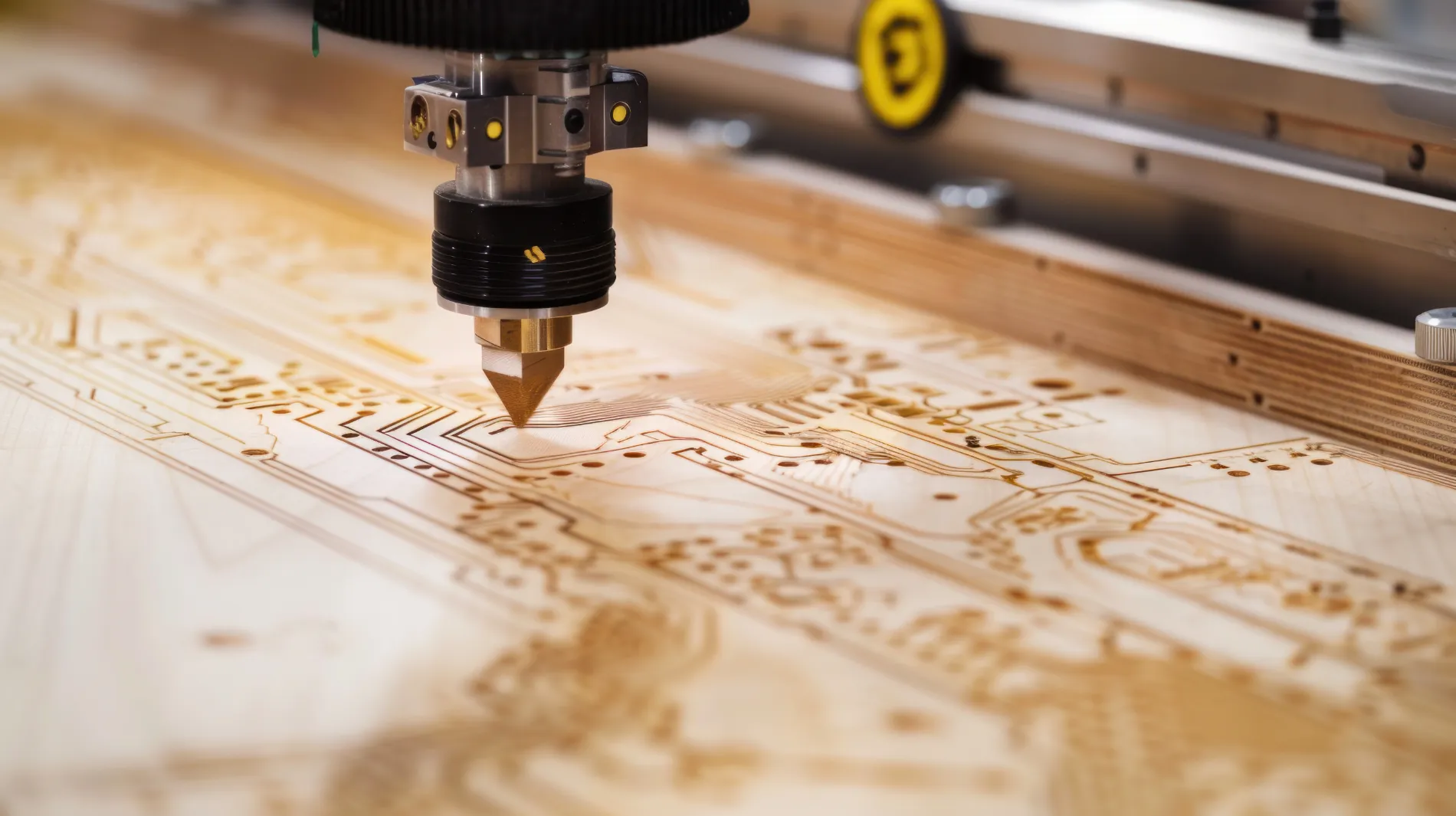

If you’ve ever wondered if a laser engraver could significantly improve your woodworking projects, the answer is definitely yes. With traditional tools, it would be difficult, if not impossible, to add personalized touches and precisely cut intricate designs. They are becoming more widely available and potent, giving woodworkers new opportunities for efficiency and creativity. Knowing the Fundamentals: How Lasers Effect on Wood.
It’s useful to comprehend what really happens when a laser interacts with wood before delving into projects and particular equipment. In essence, concentrated energy is delivered to a limited area by a focused light beam. The wood quickly heats up and vaporizes as a result of this energy, leaving an engraving or cut. The laser’s power, its speed across the material, & the kind of wood being used all affect how deep and dark the mark is.
If you’re interested in exploring the capabilities of laser engravers for wood, you might find this article on the benefits of using laser technology for woodworking particularly insightful. It discusses various techniques and applications, showcasing how laser engravers can enhance creativity and precision in wood projects. For more information, check out the article here: Benefits of Laser Engraving for Woodworking.
The performance of different kinds of lasers varies. Semiconductor technology is used by diode lasers, which are frequently found in less expensive desktop devices, to produce their beam. CO2 lasers, which are frequently found in larger, gantry-style machines, are typically faster and more powerful.
Then there are UV lasers, which are becoming more and more popular. Because of their “cold” ablation method, they provide remarkably clean, low-char marking. By being aware of this, you can choose the best tool for your particular requirements. Selecting a Laser Engraver for Woodworking.
Sure, here is the sentence with the clickable link: View Now for the latest CNC machine router for woodworking.
Because there are so many different laser engravers available, choosing the best one can be a little daunting. It basically comes down to how much space you have, your budget, and your plans for using it. Diode lasers are ideal for novices and smaller projects. A diode laser is a great starting point for many woodworkers who are new to laser engraving. In general, they are more economical and small.
If you’re considering enhancing your woodworking projects, exploring the capabilities of a laser engraver for wood can be incredibly beneficial. These machines offer precision and creativity, allowing you to add intricate designs to your pieces. For a deeper understanding of how to choose the right laser engraver for your needs, you can check out this insightful article on the topic. It provides valuable tips and comparisons that can help you make an informed decision. You can read more about it here.
The 10-40W range of machines offers a good mix of power and affordability. They can cut thinner woods, such as plywood, quite well and are excellent engravers. 10–40W Diode Power: This range is ideal. sufficient power to cut thin stock & engrave intricate details. The Longer B1 and the EM-Smart Dual are two excellent examples of what is offered. For example, the Longer B1 covers a wide work area and has an impressive speed for a diode—up to 36,000 mm/min.
Because of its large area capability, you are not limited to small pieces. Advantages: Economical, reasonably easy to use, and suitable for a variety of wood & leather engraving jobs. CO2 lasers: Cutting and engraving with power and speed.
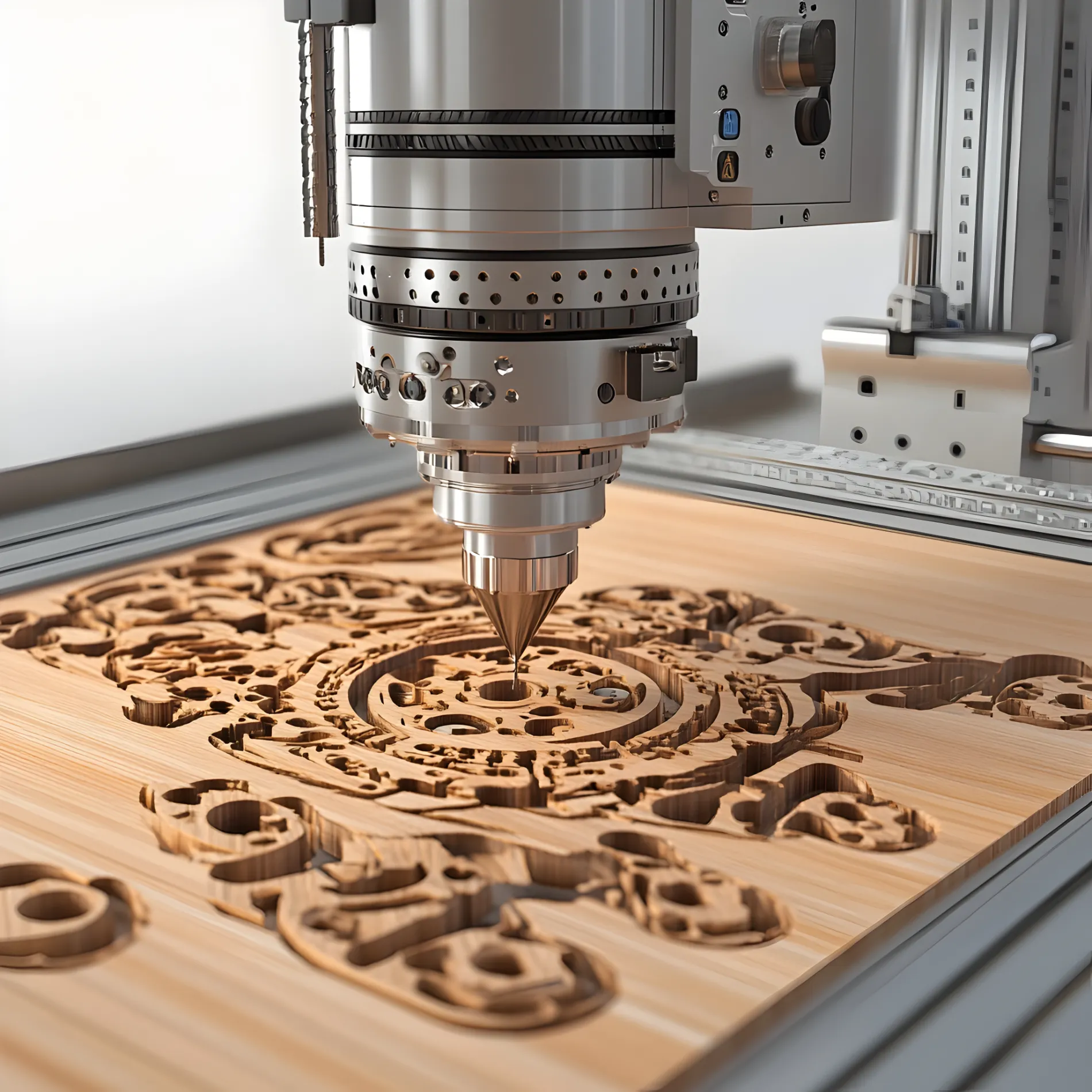
CO2 lasers are typically the best option if you want to cut thicker wood more frequently or require higher production speeds. These are frequently gantry-style devices that are bigger and more costly than diode lasers, but they have a lot more power & speed. Cutting Power: Outstanding for cutting wood of different thicknesses. Engraving Speed: Although diode lasers have advanced, strong CO2 lasers can still provide higher engraving speeds; by 2026, some will be able to reach up to 1200 mm/s for large-scale work. Considerations: They are more expensive initially and over time, usually require exhaust ventilation, & take up more space. UV lasers are clean and precise.
Precision & clean engraving are being pushed to new limits by UV lasers. They work differently, removing material with little heat through a “cold” ablation process that causes very little discoloration or charring. Ultra-Fine Marks: Perfect for intricate designs & circumstances where a spotless mark is crucial. Low Charring: This is a big benefit, particularly on lighter woods where charring is more obvious.
Speed: They are expected to reach 10,000 mm/s by 2026, which will make them extremely effective for high-resolution work. Desktop Galvo: Frequently found in desktop galvo systems, which are renowned for their accuracy and speed across smaller work areas. Cost: At the moment, UV lasers are typically more costly than CO2 or diode alternatives, but over time, costs are anticipated to drop, particularly for smaller companies.
Important Features to Consider. A few features that go beyond the type of laser can greatly enhance your experience. Auto-Focus: By automatically determining the proper focus distance, this feature guarantees consistent engraving quality while saving a ton of time. Compatibility with LightBurn Software: LightBurn is frequently regarded as the best laser control software. It is highly recommended due to its powerful features and easy-to-use interface.
Workspace: Take into account the largest pieces you wish to work on. Greater flexibility for larger projects or batch engraving is provided by larger work areas. Speed: Faster speeds result in quicker turnaround times, particularly if you intend to perform production work.
Examples of devices that strike a balance between speed and detail include the Vision Pro, which offers 0.08mm precision, and the xTool S1, which has a sharp 0.15mm spot. Useful Advice for Developing Your Wood Engraving Skills. It takes some practice to consistently get good results with a laser engraver. Here are some tips to get you started.
Material Selection Is Important. When it comes to laser engraving, not all woods are made equal. While some woods are easier to work with, others can be more difficult. The best bets are typically walnut, birch, & maple.
They provide good contrast and engrave neatly. Because of its steady density and affordable price, plywood—especially Baltic birch—is also a mainstay for laser projects. Avoid: Residue problems can occasionally arise from oily woods. Also, woods with a high resin content may overchar.
Although it lacks the natural grain of wood, MDF usually engraves well. Settings for Power and Speed. In order to get good results, this is probably the most important factor. There is no one-size-fits-all solution; the power of your laser, the kind of wood, and the intended effect will all affect the settings.
Test on Scrap Wood: Don’t omit this step at all. Always, always run a few test patterns on a scrap piece of the same material before working on your final piece. This enables you to fine-tune your settings without squandering valuable project resources.
Engraving Pictures: One popular method for engraving pictures is to use a combination of higher speed and lower power. Instead of deep charring, this produces a more subdued grayscale effect that allows for greater detail and tonal variation. Cutting: Depending on the thickness of the wood, you’ll typically need more power and slower speeds for cutting, which frequently calls for several passes. ventilation and security.
Smoke and fumes are produced by laser engravers, particularly when using wood. For both your health and the machine’s longevity, proper ventilation is essential. Exhaust System: To vent fumes outside, make sure your laser has an efficient exhaust system. Air Assist: A lot of contemporary lasers have air assist built in or can be added.
This reduces charring and flare-ups & enhances cut quality by blowing a stream of air onto the engraving point to help clear smoke and debris. Protect your eyes by wearing the proper laser safety glasses at all times. Make sure your glasses are rated for the wavelength of your particular laser; otherwise, they are useless. Innovative Project Concepts to Get You Going.
The possibilities for woodworking projects greatly increase once your laser engraver is configured and optimized. Customized home décor. Laser engravers are a great way to give home décor pieces a special touch. Coasters are among the most well-liked and straightforward projects to begin. You can engrave company logos, complex patterns, or customized messages. Wall Art: Beautiful wall art can be created using layered designs, geometric patterns, or even realistic images.
Think about making bespoke signs or layered “2026” wall art. Pen holders, phone stands, and tiny organizers are examples of desk accessories. Desk accessories and New Year’s decorations are fashionable and excellent presents. Wooden objects with practical uses.
A laser engraver can precisely create functional items that go beyond aesthetics. Perpetual calendars or personalized daily planners can be engraved. Jigsaw puzzles: Cut elaborate puzzle pieces out of thin wood sheets for personal use or as unique presents. Inlays: Make accurate pockets for inlaying various metals, woods, or acrylics to give your pieces a refined look. Presents and Possibilities for Small Businesses.
Laser-engraved wood products are very popular for gifts & small businesses because they can be personalized. Personalized Gifts: Inscribe names, dates, or heartfelt messages on jewelry boxes, wooden picture frames, or cutting boards. Craft Fair Goods: Produce a variety of goods for craft fairs with efficiency, ranging from personalized awards to keychains and ornaments. Jewelry: Cut & engrave wooden pendants, earrings, or other small pieces of jewelry.
Laser engraving in woodworking: its future. The trends for 2026 present an exciting picture for woodworkers as the field of laser engraving continues to advance. Increased resolution & faster speeds. As previously stated, much faster speeds are anticipated for both UV and CO2 lasers.
This results in more efficient production, which is essential for small businesses, rather than just finishing projects more quickly. Extremely accurate and detailed engravings are becoming more feasible when combined with higher resolutions, such as the Laser Pecker LP4’s capacity to reach 8K resolution. UV lasers for cleaner engraving.
For woodworkers who value crisp, char-free engravings, the advancement and rising cost of UV lasers are revolutionary. This is especially helpful when working with light-colored woods because even slight charring can take away from the finished look. Imagine intricate engravings on smoke-free maple. Accessibility and cost-effectiveness.
A wider audience is now able to use this technology thanks to the trend toward smaller, more reasonably priced engravers. This implies that small businesses and amateur woodworkers can benefit from the strength & accuracy of laser engraving without having to make a sizable upfront investment. For many, a 10-40W diode laser is a perfect place to start because of the balance it provides. Automating and integrating.
Anticipate increased automation features and design software integration. Auto-focus is just one example; in the future, the woodworking process will probably be further streamlined with more user-friendly interfaces, better material libraries with recommended settings, and possibly even robotic arms for material handling. Final Reflections.
Understanding the tool, honing your settings, and using its accuracy for artistic purposes are more important for mastering woodworking with a laser engraver than purchasing expensive equipment. It’s a potent tool that opens up a world of design & customization options for any woodworker. You can quickly see how this technology can change your projects if you start with a capable diode laser and experiment with different woods & settings. .

 English English
 العربية
 Bahasa Indonesia
 ไทย
ไทย Deutsch
 Русский
 Español
 Nederlands
 Italiano
 Tiếng Việt
 Português do Brasil
 Français
 Dansk
Dansk Xhosa
Xhosa 日本語
日本語 香港中文
香港中文